
How Hotel Valet and Parking Integrate for Better Results
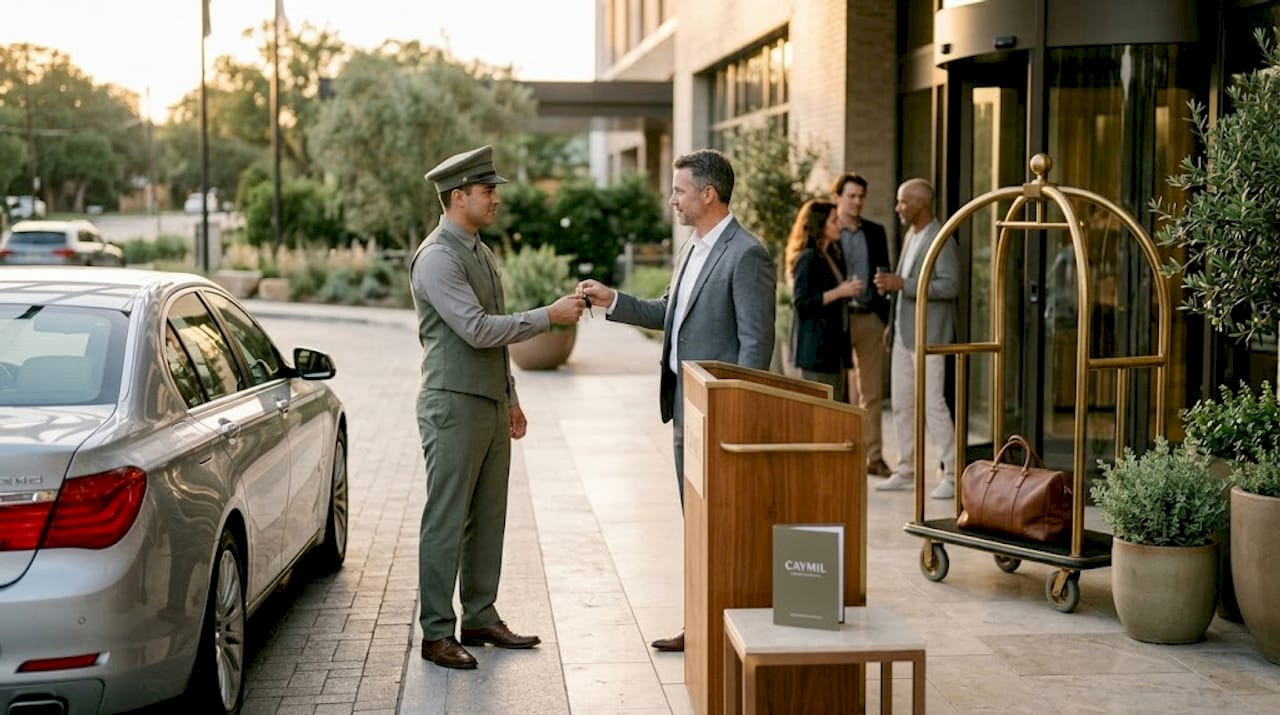
Understanding how hotel valet and parking integrate is one of the most underestimated levers in hospitality operations. Get it wrong and you create congestion at the porte-cochère, confused guests, and revenue that walks out the door. Get it right and the parking operation becomes a genuine competitive advantage. Hotels with professional valet services see an 8 to 15% increase in guest satisfaction scores and 60% fewer arrival complaints. This guide breaks down the core processes, technology choices, operational tactics, and communication strategies that make valet and parking work as one cohesive system.
Table of Contents
- Key takeaways
- Core process flow of hotel valet and parking integration
- Technology that enables effective valet and parking management
- Operational best practices for integrating valet and parking logistics
- Valet tipping, fees, and guest communication
- My take on what hotels actually get wrong with valet integration
- Ticket solutions built for hotel valet operations
- FAQ
Key takeaways
| Point | Details |
|---|---|
| Integration starts at arrival | The guest handoff protocol and ticketing system set the tone for every interaction that follows. |
| Technology amplifies human service | PMS integration, license plate recognition, and cloud platforms reduce errors and speed up retrieval. |
| Physical layout determines throughput | Separating valet and self-park traffic is the single fastest way to reduce congestion and delays. |
| Tipping clarity protects staff morale | Transparent, opt-in gratuity policies on folios prevent guest frustration and keep staff engaged. |
| Pre-staging cuts retrieval time dramatically | Reviewing departure schedules daily and moving vehicles proactively drops wait times from minutes to seconds. |
Core process flow of hotel valet and parking integration
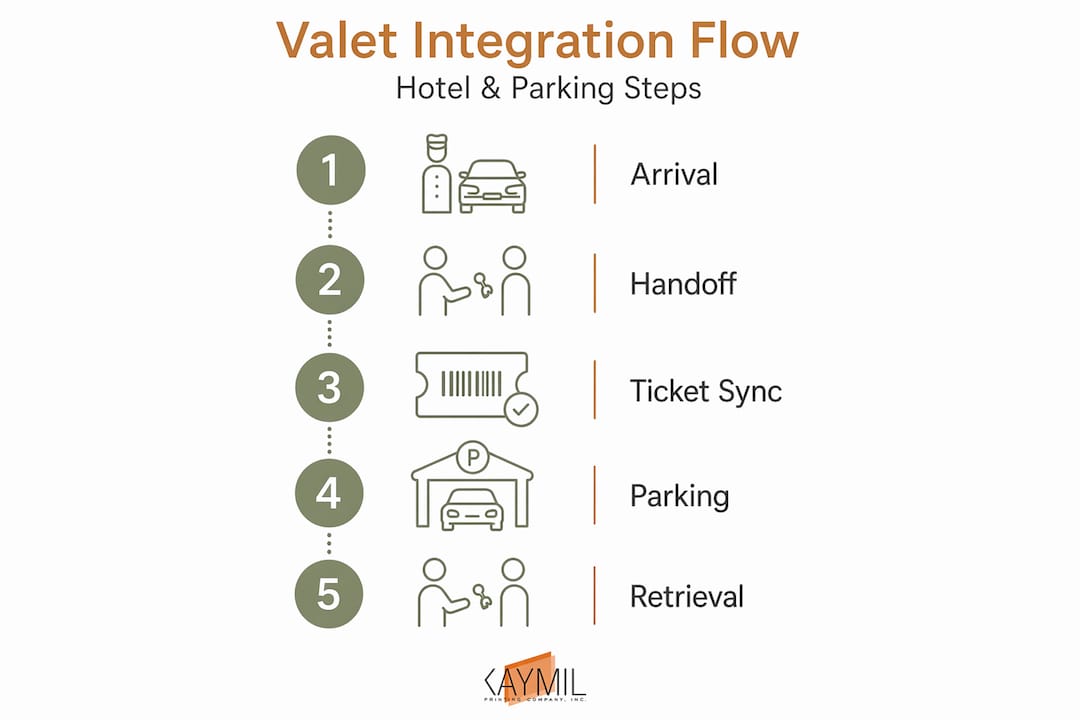
The hotel valet parking process is not a single transaction. It is a chain of coordinated handoffs, each one dependent on the one before it. When any link breaks, the guest feels it.
The arrival sequence
A well-integrated arrival works like this:
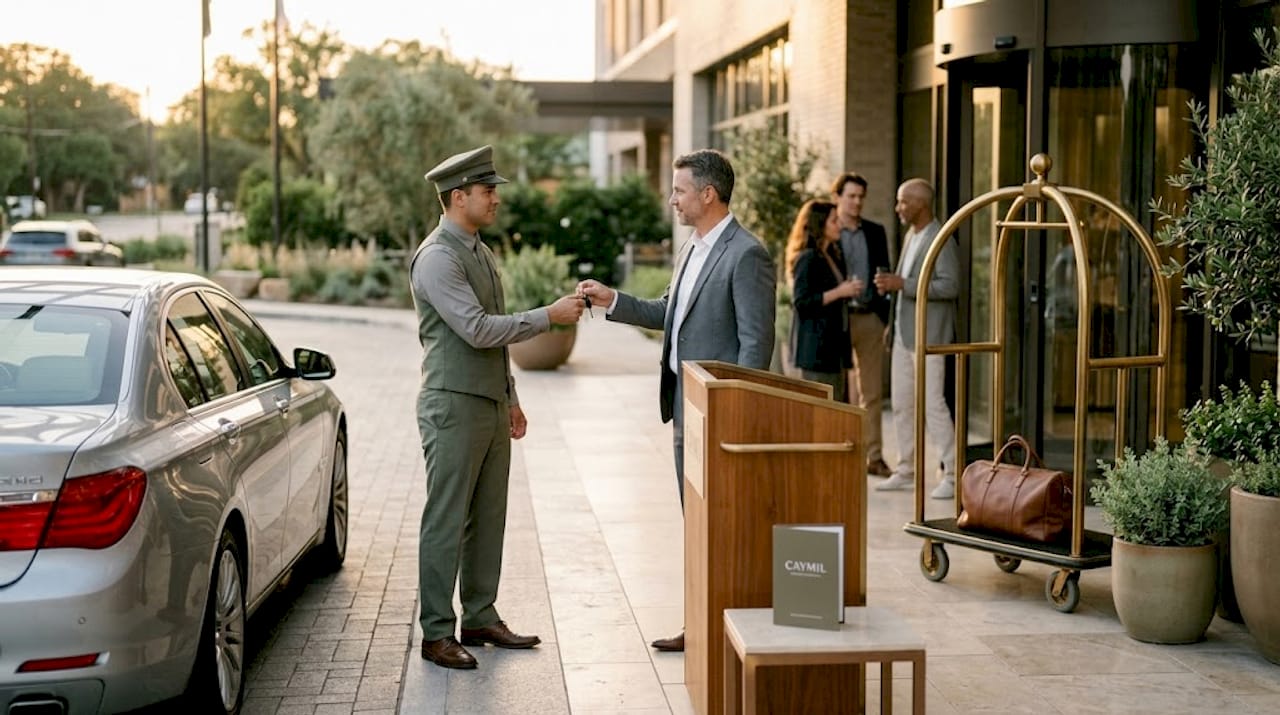
- Guest pulls up to the porte-cochère and is greeted by name if a reservation exists in the property management system.
- A valet attendant completes a vehicle condition check and issues a claim ticket, either printed or digital.
- The ticket number is logged in the valet management system, which timestamps the vehicle and assigns it a parking location.
- The vehicle is driven to the designated valet zone within the garage or lot, physically separated from self-park traffic.
- The parking location is recorded and synced to the front desk system so any staff member can answer a retrieval request.
- At checkout, the guest requests the vehicle, the system dispatches the nearest available attendant, and the vehicle is staged at the porte-cochère.
What makes this chain fail
Most breakdowns happen at two points: ticketing and communication between the valet stand and the parking structure. A handwritten ticket with no duplicate copy creates a single point of failure. If that ticket is lost or misread, the entire retrieval process stalls. A valet parking log that captures vehicle details, ticket numbers, and parking locations eliminates this risk and gives supervisors a real-time audit trail.
The second failure point is coordination with the parking facility itself. Valet attendants need to know which levels or sections are allocated to valet parking versus self-park. Without clear delineation, vehicles get blocked by self-parking guests and retrieval times spike.
Pro Tip: Issue a multi-part carbonless ticket at every valet handoff. One copy stays with the guest, one goes to the attendant, and one is retained at the stand. This three-point paper trail catches errors before they become complaints.
The PMS integration for valet layer adds another dimension: it allows the system to sync room charging, guest recognition, and loyalty program data automatically, so the valet team always has context on who they are serving.
Technology that enables effective valet and parking management
Modern valet parking management technology has moved well beyond a clipboard and a key hook board. The tools available today allow properties to unify every part of the operation under a single platform.
| Technology | Primary benefit | Integration point |
|---|---|---|
| Ticketless valet apps | Eliminates lost claims | Guest smartphone |
| License plate recognition (LPR) | Identifies VIP and returning guests instantly | PMS and valet software |
| Cloud valet management platforms | Real-time tracking and analytics | PMS, billing, staffing |
| Mobile retrieval request apps | Allows guests to request vehicles before leaving their room | Valet dispatch system |
| Digital damage inspection tools | Creates timestamped photo records at intake | Insurance and liability systems |
Cloud-based valet systems boost guest satisfaction scores by 14% and increase parking revenue by 12 to 30%. More practically, they reduce retrieval time to 6 to 10 minutes during peak periods, which is the window most guests are willing to tolerate before frustration sets in.
PMS integration specifics
Connecting the valet system to platforms like Oracle Opera or Amadeus allows the property to charge parking fees directly to the room folio, recognize loyalty members at arrival, and track parking revenue alongside room revenue in a single dashboard. Setup time ranges from a few hours for cloud-to-cloud API connections to six weeks for legacy on-premise systems, so budget accordingly when evaluating vendors.
Luxury hotels integrating valet tech with guest apps report damage claims under 0.2% and measurable gains in experience scores. Features like digital claim tickets, automated folio charges, and even temperature pre-conditioning of vehicles become possible once the tech stack is connected end to end.
Pro Tip: Before buying any valet software, confirm it has a native API or a documented integration path for your existing PMS. A standalone valet system that cannot talk to your front desk software creates a data silo, not a solution.
The physical ticketing infrastructure still matters even when digital tools are in place. Barcode valet tickets give staff a scannable, error-resistant fallback when connectivity is interrupted and are compatible with most major parking management systems.
Operational best practices for integrating valet and parking logistics
Technology sets the framework, but daily operations determine whether integration actually works at ground level. The biggest gains come from three areas: physical layout, pre-staging, and staffing.
Physical layout and traffic separation
Clear separation of valet and self-park traffic in parking garages prevents conflicts and improves overall flow. In urban multi-level garages, this typically means dedicating the lowest accessible level or a specific floor section exclusively to valet-stored vehicles. Surface lots benefit from painted lanes, physical barriers, and clear signage that keeps self-parking guests from entering valet zones.
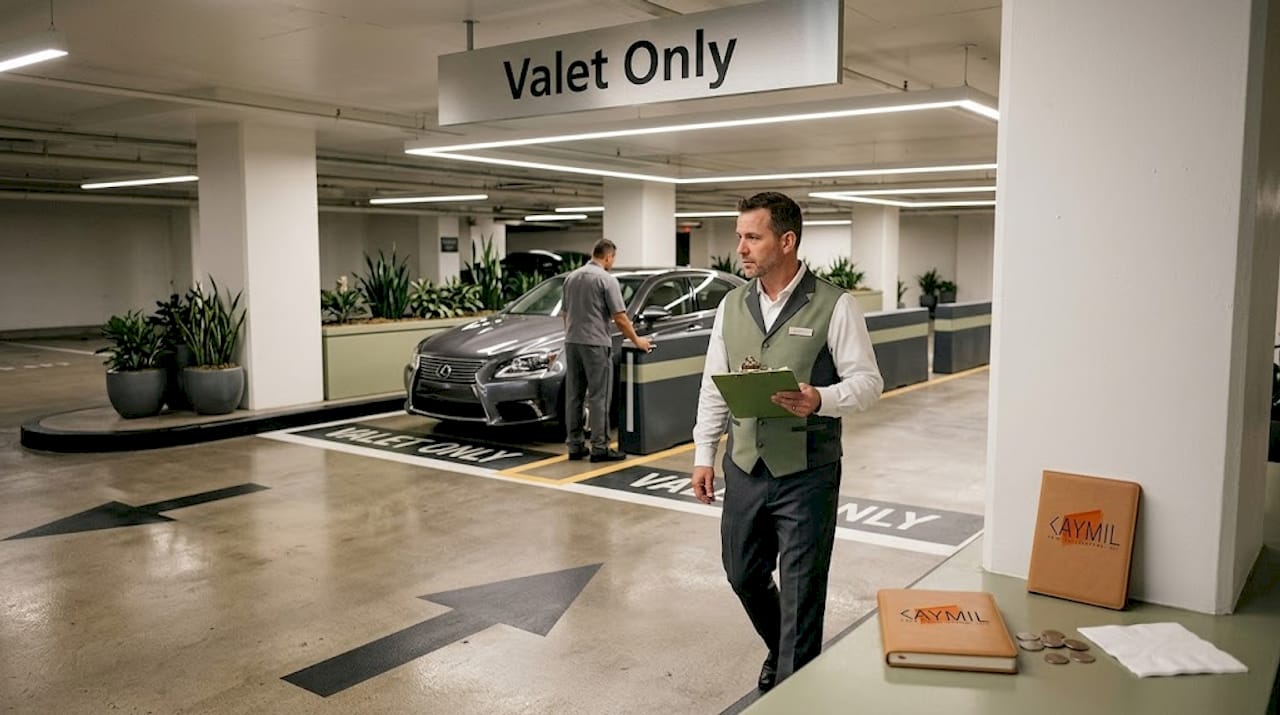
The returns are immediate. When a valet attendant does not have to navigate around self-parking guests pulling in and out, retrieval times drop and attendant stress decreases. Lower stress means fewer errors, which means fewer damage claims.
Pre-staging for rapid retrieval
Pre-staging vehicles based on departure schedules cuts retrieval time from five minutes to under 30 seconds. The tactic is straightforward: every morning, the valet supervisor reviews that day’s checkouts, restaurant reservations, and group departure manifests, then moves likely-to-be-requested vehicles to staging areas near the exit.
A hotel with a 10:00 AM group checkout, for example, can stage those vehicles between 8:30 and 9:30 AM during a natural lull. When guests arrive at the stand at 10:05 AM, their cars are already waiting. This is the difference between a service that impresses and one that merely functions.
Staffing formulas for different parking environments
Garage valet operations require more staff per vehicle than surface lots. A reliable staffing formula for peak periods: divide peak arrivals per hour by five, then add two additional attendants for stand management and traffic direction. A hotel expecting 50 arrivals in the first hour of a busy check-in period needs 12 attendants on deck.
Here is a practical staffing checklist for valet managers:
- Assign one attendant per five expected peak arrivals for driving duties.
- Place at least one attendant permanently at the guest-facing stand.
- Station one traffic coordinator at the porte-cochère entrance during peak windows.
- Rotate attendants every 90 minutes in summer heat or winter cold to maintain performance.
- Cross-train bell staff to assist with key retrieval during surges.
Handling EV charging in valet zones
Electric vehicles complicate valet logistics in ways many hotels have not planned for. A guest who expects their EV charged upon retrieval and arrives to find a dead battery will generate a review no amount of comped parking can fix. Designate a minimum of two charging spaces in the valet zone and include EV charging status in the vehicle tracking log from the moment of intake.
Valet tipping, fees, and guest communication
The financial side of valet integration is where many hotels quietly lose guest loyalty. Ambiguous valet fees lead to guest frustration and inconsistent gratuity to staff, which damages morale and increases turnover.
Setting clear expectations from the start
Tipping communication should happen at three points:
- At the porte-cochère, where a small posted sign or a verbal mention by the attendant sets the baseline.
- At check-in, where the front desk agent references the parking and valet fee structure.
- On the room folio review page, where an opt-in gratuity line gives guests a frictionless way to tip.
Guests generally prefer tipping both at drop-off and at retrieval. This is the two-touch rule and it works because it gives guests natural moments to acknowledge service. Hotels that add a single opt-in gratuity line to the folio capture tip revenue from guests who would otherwise leave without tipping simply because they did not have cash.
Tip pooling and staff morale
The folio gratuity line is only as effective as the distribution policy behind it. Valet gratuity lines on folios must be opt-in and the full amount must go to the valet staff to maintain trust. Any pooling arrangement that routes tip revenue through the hotel’s general revenue or takes an administrative cut will erode staff confidence quickly.
A transparent tip pool split that attendants helped design will outperform any management-imposed structure, even a mathematically generous one. Involve the team in setting the policy and you get buy-in and retention.
Pro Tip: Include the valet tipping policy and daily rate in the digital welcome guide or pre-arrival email. Guests who know what to expect arrive prepared and tip more consistently than those surprised at the stand.
My take on what hotels actually get wrong with valet integration
I’ve worked alongside valet operators and property managers long enough to see the same pattern repeat at properties of every size and star rating. The investment goes into technology and almost nothing goes into the systems that make technology useful.
In my experience, the properties that run the most efficient valet operations are not necessarily the ones with the most advanced software. They are the ones with the clearest paper trail, the most disciplined physical layout, and staff who understand that every car they touch represents a guest’s first and last memory of the property.
What I’ve found is that most hotels treat valet as a cost center they are trying to minimize rather than a revenue and brand-building asset worth investing in. A well-integrated valet operation commands a premium parking rate, generates consistent folio charges, and produces review language that drives bookings. The ROI is there. It is just harder to see on a line-item budget than a staffing reduction.
The technology is not going to replace the moment a returning guest is greeted by name before they even open their car door. Seamless guest recognition at arrival shapes first impressions in ways no app can replicate on its own. The human touch and the technology need each other. Deploy one without the other and you will always leave performance on the table.
Looking ahead, dynamic pricing for valet, where rates adjust based on demand and garage occupancy, is the next frontier for revenue-focused properties. The hotels that have already integrated their valet and PMS systems will be positioned to activate this with minimal friction. Those still running manual operations will have a much steeper climb.
— Richard
Ticket solutions built for hotel valet operations
When the operational process is solid and the technology is connected, the physical ticketing infrastructure is what holds every transaction together at the ground level. Caymil has been manufacturing valet and parking tickets since 1937, and the product line reflects real-world hotel valet demands.
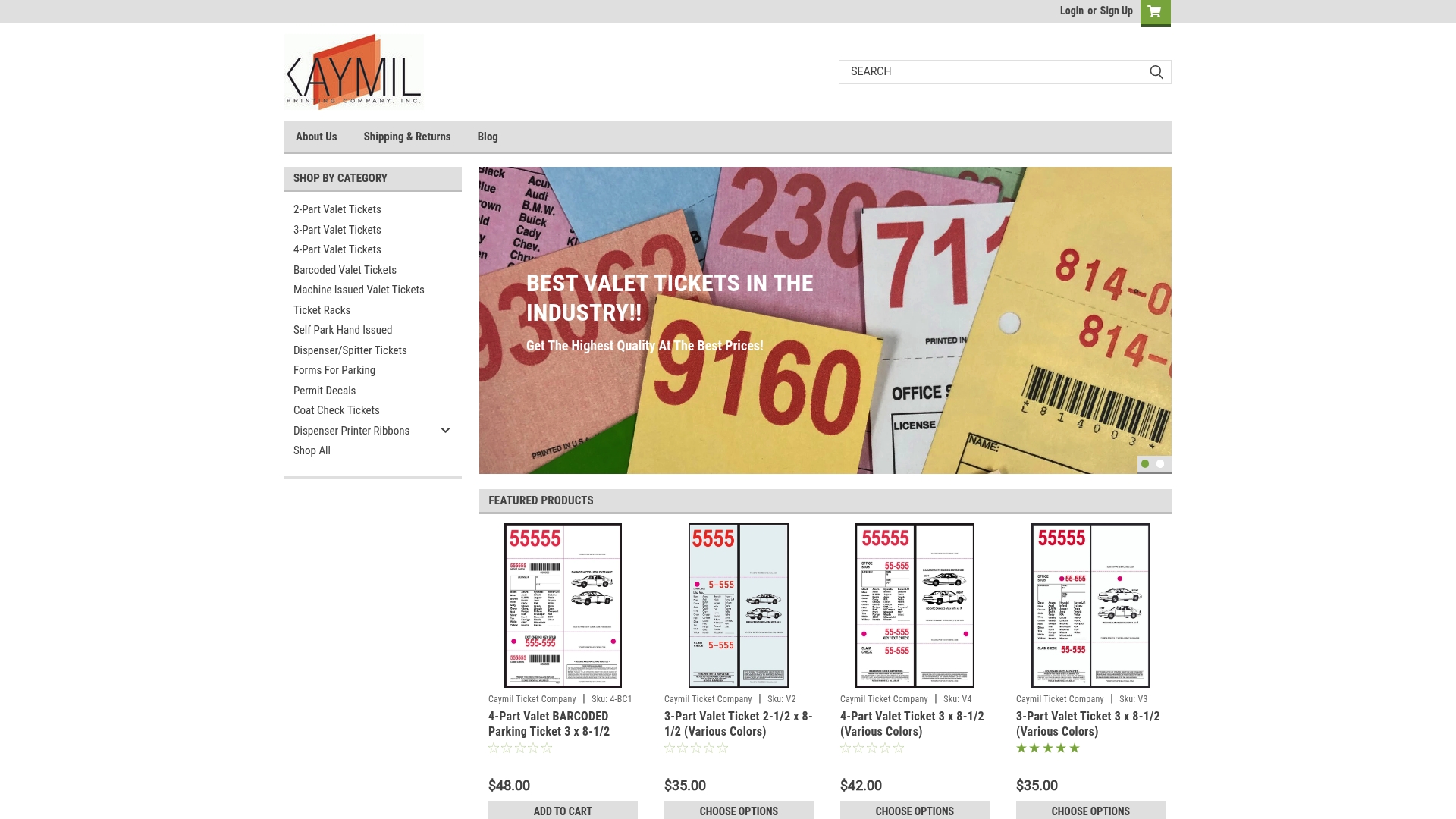
From 2-part valet parking tickets that give attendants and guests matching claim copies, to machine-issued valet tickets compatible with high-volume hotel environments, Caymil’s catalog covers every format a hotel valet operation needs. Multi-part carbonless formats, sequential numbering, barcoding, and custom branding are all available. For properties managing complex parking setups, 4-part valet parking tickets provide the record depth that detailed operations require. Browse the full selection of parking forms and documents to find the ticketing solution that fits your property’s workflow and volume.
FAQ
How does valet integrate with a hotel’s PMS?
Valet software connects to the PMS via API to sync room charging, guest recognition, and loyalty data in real time. Setup time ranges from a few hours for cloud-based platforms to several weeks for legacy on-premise systems.
What is the best way to separate valet and self-park traffic?
Dedicated garage levels or clearly marked surface lot sections prevent conflicts between valet attendants and self-parking guests. Physical barriers, distinct signage, and color-coded pavement markings reinforce the separation and reduce retrieval delays.
How many valet attendants does a hotel need during peak arrivals?
A reliable formula is to divide expected peak arrivals per hour by five and add two additional attendants for stand management and traffic control. A hotel expecting 50 arrivals in one hour needs approximately 12 attendants on duty.
What is the two-touch tipping rule in hotel valet operations?
The two-touch rule refers to the two natural moments guests tip valet staff: at vehicle drop-off and again at retrieval. Hotels that communicate this expectation clearly at check-in and on the folio see more consistent gratuity and better staff retention.
Does pre-staging vehicles really reduce retrieval time significantly?
Yes. Reviewing departure schedules and moving vehicles to staging areas proactively can cut retrieval time from five minutes to under 30 seconds, which is one of the highest-impact operational tactics available to valet managers.