
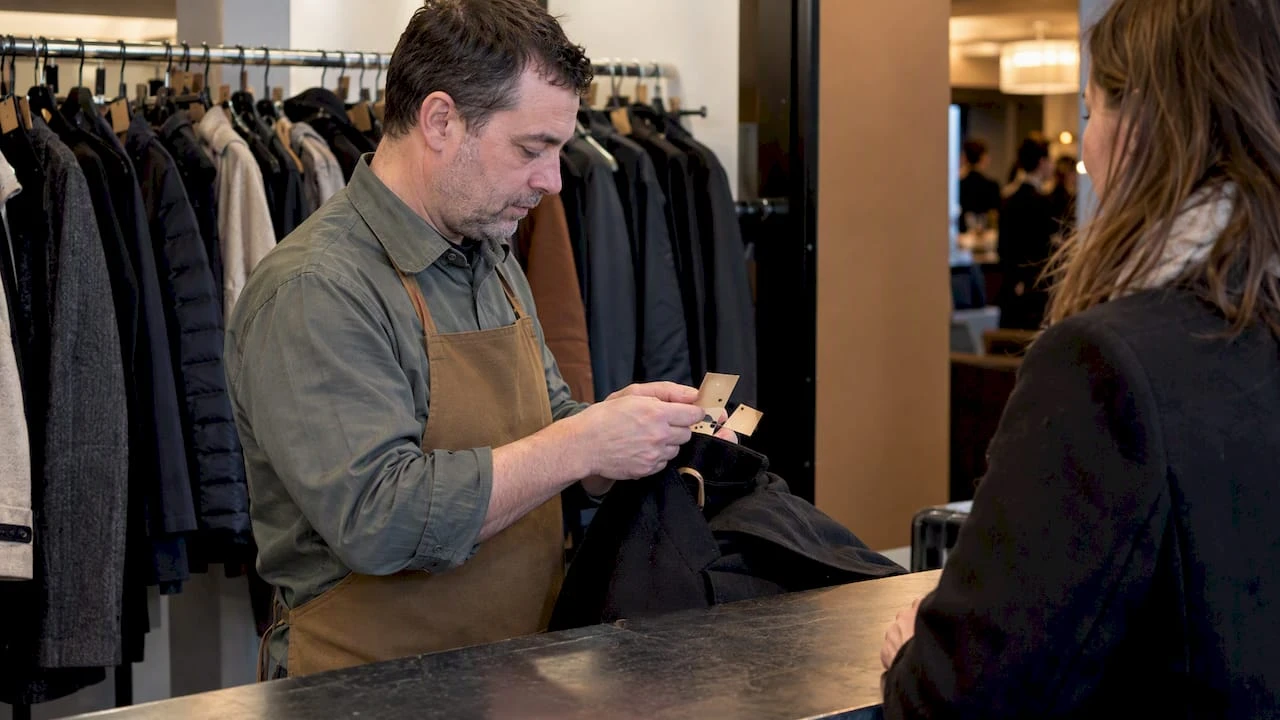
Coat Check Numbering for Venues: Choose 2 or 3 Ticket Parts

Coat check numbering is a sequential claim-ticket system that creates a 1-to-1 match between a guest’s stub and the stored item, speeding retrieval and reducing loss. We offer both ready-to-ship sequential packs and fully custom runs for venues that need specific counts, colors, or barcodes.
TL;DR:
- Choose tickets with two parts for single items; for accessories or multiple items, a third master copy gives staff a separate record.
- Mark visible number zones and arrange racks in a snake pattern, keeping adjacent ranges together and never repeating a range within one storage area.
- Separate guest check in from pickup when space allows; runners fetch items while a counter attendant stays at the window.
- For a lost ticket, verify photo ID and the item description, require manager approval before release, and record the guest’s name, ID check, and resolution.
- Stock formats offer faster turnaround; custom colors or numbering ranges take longer, so confirm quantity, barcode needs, and tag hole placement before ordering.
Table of Contents
- How coat check numbering works and ticket formats
- Numbering and rack mapping: zoning and the ‘snake’ layout
- Peak-hour operations: staffing, flows, and retrieval roles
- Lost-ticket and security procedure
- Materials and tag types: paper, plastic, metal, and barcoded
- How to choose and order numbered tickets and tags
- What we’d tell a first-time operator
- Where to order coat check tickets and tags
- FAQ
- Sources
How coat check numbering works and ticket formats
A professional coat check system depends on sequentially numbered claim tickets that pair the stored item with the guest’s receipt, and the ticket format you choose determines how much verification detail that pairing can carry.
A standard 2-part ticket splits into a hanger tag, which stays on the coat, and a guest stub, which the guest holds until pickup. Both halves print with the same sequential number, so matching them is instant and visual.
A 3-part ticket adds a master copy that stays with staff, which matters when guests check multiple items or accessories that need to travel together. Multi-item tracking benefits from this third copy because it gives attendants a running internal record separate from what the guest carries.
- Add guest initials or a phone field when items look similar or when high-value coats need extra verification.
- Add a barcode when you want to scan items in and out rather than rely on visual number matching.
Numbering and rack mapping: zoning and the ‘snake’ layout
Numbers only speed retrieval when the rack mirrors them. Clearly marked numeric zones such as 1 to 100 and 101 to 200 let an attendant walk straight to a section instead of scanning the entire rack for one ticket.
- Divide your rack or racks into numeric zones and label each zone with large, visible signage at eye level.
- Arrange zones in a ‘snake’ pattern across tiers, so number 100 sits physically next to number 101 even if that means crossing to a lower or upper rail.
- Keep one sequential series per storage area and never repeat a number range across two sections on the same night.
This mapping work matters more than any technology upgrade. Fresh222’s operational guidance points to physical zone mapping, not new equipment, as the fix for the most common cloakroom slowdown. A clear snake layout also makes it easy to train a new attendant in minutes rather than hours, since the number itself tells them exactly where to walk.
Peak-hour operations: staffing, flows, and retrieval roles
A coat check workflow runs best when roles are split rather than shared. Standard practice assigns a ticket, places the matching tag on the hanger, and stores the item in its rack position, and that handoff moves faster when different people own different steps.
- A greeter directs guests into the check-in line and keeps it moving.
- A check-in attendant issues the ticket and hangs the item in its zone.
- A runner fetches items during pickup so the window attendant never leaves the counter.
- A manager floats to cover lost-ticket exceptions and bottlenecks.
Separate your check-in lane from your pickup lane whenever space allows, and size each pickup point to your expected peak volume rather than your average. Some venues aim for retrieval times under 30 seconds during peak periods, which is realistic once runners and zoned racks are in place. Always confirm the ticket number against the hanger tag before handing a garment back, even when the line is long.
Pro Tip: Rehearse the peak-hour flow once before doors open, with an empty rack, so new staff learn the zone layout before guests arrive.

Lost-ticket and security procedure
Even a well-run coat check will face a lost ticket at some point, and a short written procedure keeps that moment calm instead of chaotic. Treat ticket series and rack mapping as a security control, not just an organizing tool, since the number is effectively the only proof of ownership you have.
- Ask for photo ID and a description of the item before releasing anything without a stub.
- Require manager approval on any release that lacks a matching ticket.
- Use the master copy from a 3-part ticket, plus recorded initials or a phone number, to confirm the match quickly.
- Log every incident in an exceptions register with the ticket number, guest name, ID checked, manager signature, and resolution.
Recorded contact details and written lost-ticket procedures reduce the customer service burden and make next-day recovery or delivery possible when a match cannot be confirmed on-site. That same register supports internal audits and insurance claims if a dispute comes up later.
Materials and tag types: paper, plastic, metal, and barcoded
Paper claim tickets remain the standard choice for one-off events because they are inexpensive and simple to number sequentially in bulk. For venues running coat check every weekend, reusable plastic or metal hanger tags hold up to repeated handling far better than paper.
- Paper tickets suit single-event use and lower budgets.
- Plastic or aluminum tags suit recurring venues that want durability over many nights.
- Barcoded tickets suit high-volume cloakrooms that want scan-based retrieval instead of visual matching.
Digital or app-based tag systems exist as a higher-cost option and can capture a guest’s phone number or photo to speed recovery, but paper and physical numbering remain entirely viable when the rack mapping behind them is solid. Whatever material you choose, keep the serial number large and unobstructed on both halves of the ticket, since a number that is hard to read under dim lighting slows down exactly the moment you need speed.
How to choose and order numbered tickets and tags
Before placing an order, work through a short checklist so the tickets that arrive match how your floor actually runs:
- Confirm part-count: 2-part for single items, 3-part for accessories or multi-item checks.
- Set your quantity and numbering range, start to end, with no gaps or repeats.
- Decide on color-coding by event or by zone if you run multiple rooms.
- Choose whether you need a barcode for scan-based tracking.
- Specify hole placement for hanger tags and confirm your lead time.
Stock tickets work well for standard formats and fast turnaround, while custom-printed tickets make sense when you need specific numbering ranges, branded colors, or barcodes tied to your own system. We stock 2-part and 3-part coat check formats along with barcoded options, and we ship nationwide.
What we’d tell a first-time operator
Default to 2-part tickets for a single small event, and move to 3-part or barcoded tickets once you’re handling multiple items per guest or running every weekend. Start simple: map your racks into numeric zones, rehearse the pickup flow once, then order tickets to match. Fix the physical layout before you spend money on scanners or apps. Good mapping solves more problems than new technology does.
— Richard
Where to order coat check tickets and tags
Ordering the right sequential stock is the easiest operational fix we offer a coat check team, and we carry the formats most venues need in one place. Browse our coat check ticket page for stock and custom options, or check pre-printed packs of 1,000 sequential tickets if you need a fast, no-customization order.
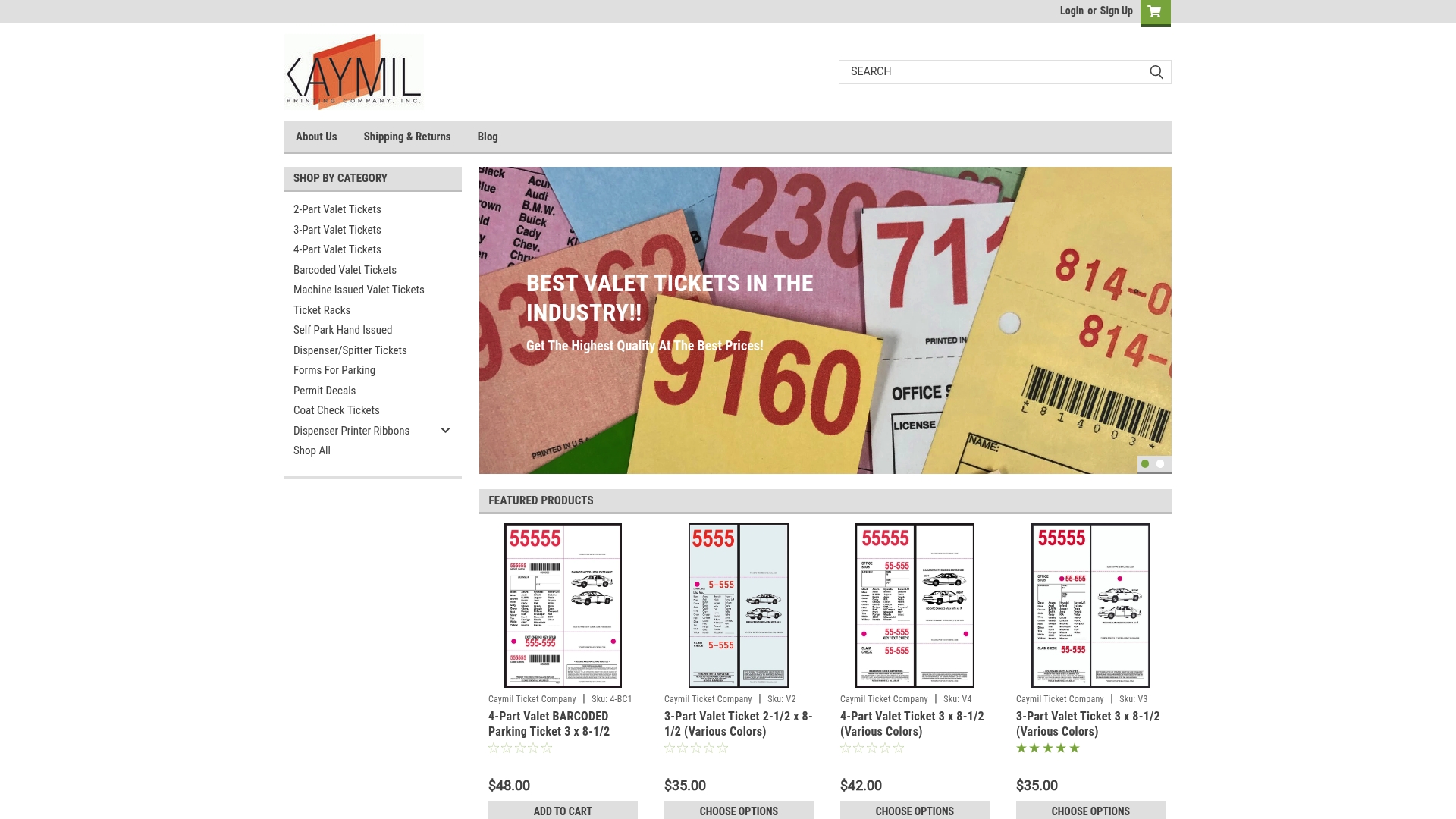
- Pick 2-part for single items, 3-part for multi-item checks, or barcoded for scan-based retrieval.
- Expect faster turnaround on stock sizes and longer lead times on custom colors or numbering ranges.
- If you’re also running valet alongside coat check, our 3-Part Valet Tickets use the same sequential logic.
For a tighter day-of operational plan around staffing and timing, a platform like Jubiliq can help coordinate schedules and printable day sheets alongside your ticket setup. Reach out through our coat check ticket page for custom artwork or an expedited quote.
FAQ
What does “coat check” mean?
A coat check is a staffed area where guests hand over coats, bags, or other items in exchange for a numbered claim ticket, then retrieve those items later by presenting the matching stub. The numbering is what lets staff pair the stored item with the right guest quickly.
Do you tip the coat check person?
Tipping coat check attendants is customary at many venues in the United States, though it is not required by law or built into the ticket price. A dollar or two per item is a common gesture when service is prompt and the garment comes back in good condition.
Do coat checks cost money?
Some venues charge a small per-item fee for coat check, while others include it as part of an event or membership. When a fee applies, sequential numbering also makes nightly reconciliation easier, since staff can subtract the first and last ticket numbers used to total the night’s volume.
Does coat check take bags?
Most coat check operations accept bags, umbrellas, and small accessories alongside coats, though policies vary by venue. A 3-part ticket is the better format when guests are checking multiple items together, since it gives staff a separate master record to track them.
Sources
- Everything you ever wanted to know about coat check rooms
- How to organize a coat check and reduce wait times
- What Does A Coat Check Attendant Do? Complete Event Guide