
How to Reduce Ticket Fraud in Parking Lots
Ticket fraud is quietly draining revenue from parking lots and event venues across the country. Schemes have grown more sophisticated, from fake QR codes on payment machines to unauthorized attendants running personal card readers in your lot. If you manage a parking facility or event venue, the pressure to reduce ticket fraud in parking lots has never been greater. This guide walks through the specific fraud types your operation faces, the technology and policies that prevent them, and a step-by-step implementation process that produces measurable results.
Table of Contents
- Key takeaways
- How to reduce ticket fraud in parking lots: know what you’re dealing with
- Foundational prerequisites before implementation
- Step-by-step implementation of fraud reduction measures
- Common mistakes and how to avoid them
- Measuring success and verifying results
- My perspective on the fraud problem operators underestimate
- Protect your revenue with Caymil’s secure ticketing solutions
- FAQ
Key takeaways
| Point | Details |
|---|---|
| Fraud tactics are evolving fast | QR code scams, fake citations, and ghost attendants represent the most common active threats today. |
| Cashless systems create audit trails | Transitioning to cashless, receipt-based payment significantly reduces unauthorized operator fraud. |
| License plate recognition closes permit loopholes | LPR tied to live databases eliminates physical permit sharing and forgery without manual checking. |
| Barcode tickets reduce counterfeiting | Machine-issued and barcoded tickets with sequential numbering make physical fraud far harder to execute. |
| Ongoing measurement sustains results | Tracking fraud incident rates and revenue anomalies post-implementation identifies new threats before they scale. |
How to reduce ticket fraud in parking lots: know what you’re dealing with
Before you can stop fraud, you need to recognize exactly how it operates. Parking fraud is not a single scheme. It takes several distinct forms, each targeting a different vulnerability in your operation.
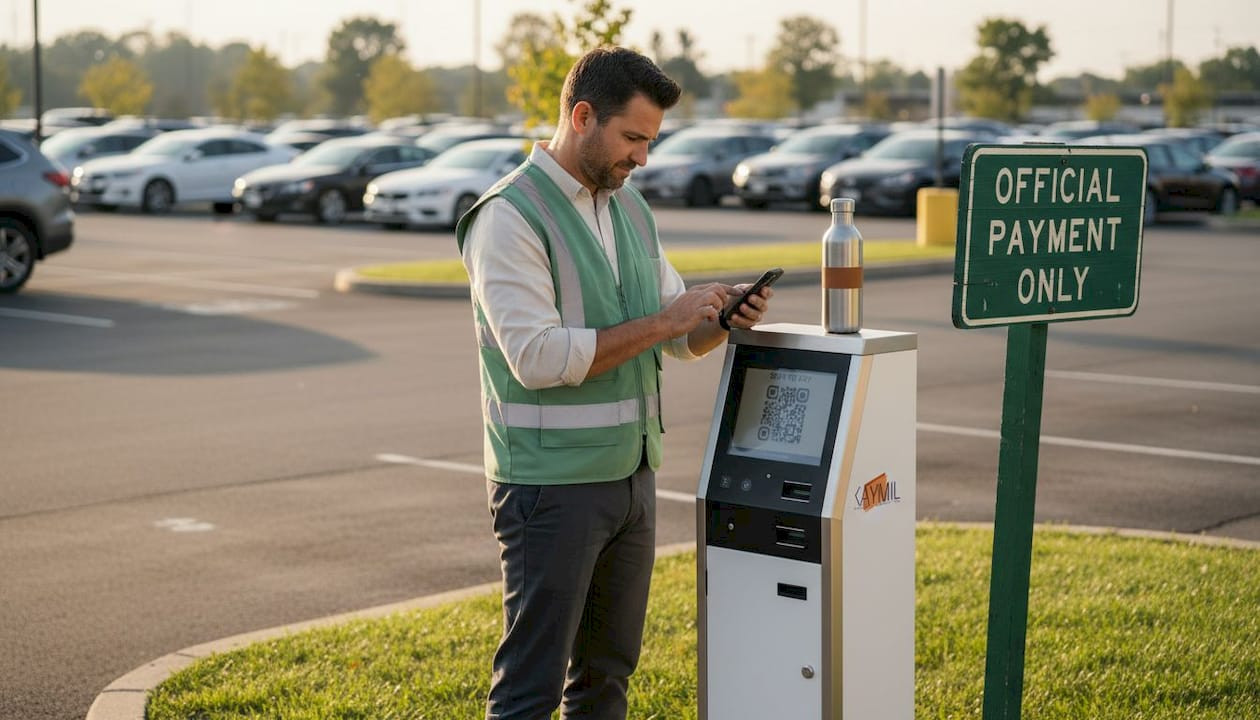
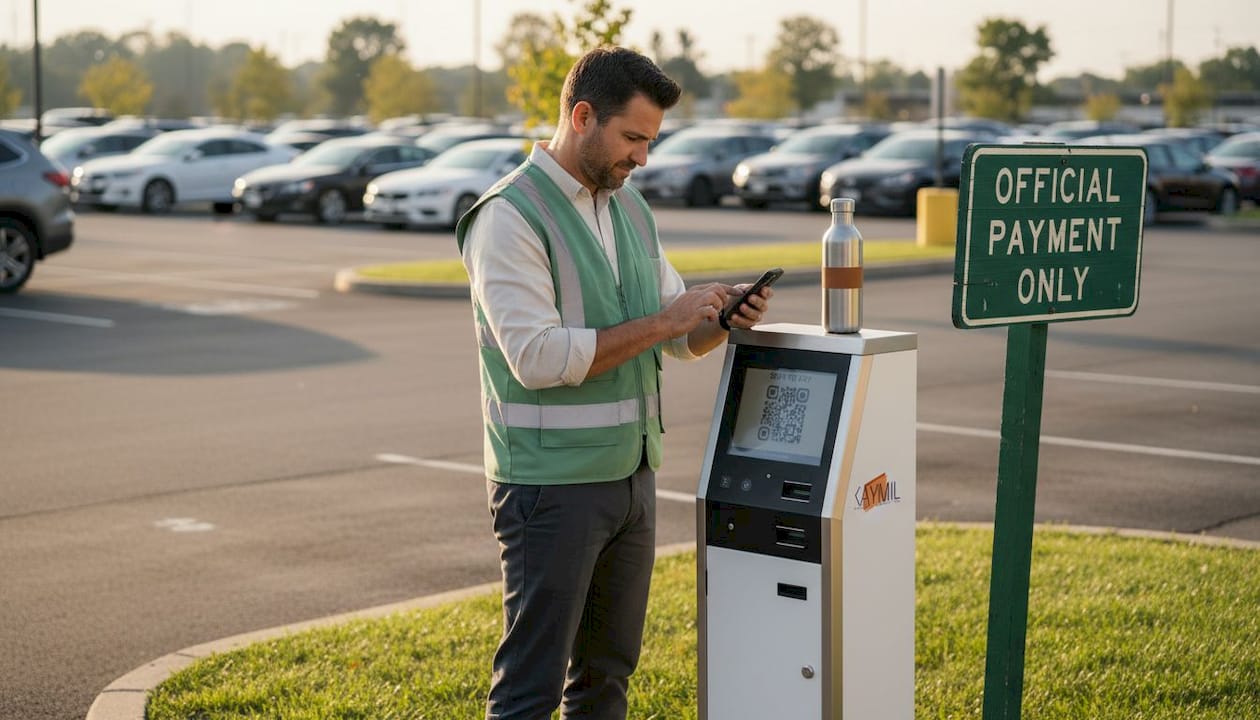
Fake QR code scams are currently the fastest-growing threat. Fraudulent QR codes on machines have increased 1,300% over three years, redirecting drivers to payment pages that harvest their card details. The financial damage is documented and ongoing.
Ghost attendant fraud is common at major events. Scammers in yellow vests use personal card readers purchased cheaply online to collect payments and vanish before event staff notice. Drivers receive no official receipt and have no recourse.
Fake parking citations placed on windshields direct vehicle owners to fraudulent payment portals. In one documented case, approximately 200 people in Denver received fraudulent texts demanding immediate payment for violations that did not exist. The financial and reputational damage falls squarely on the facility associated with that lot.
Permit and hang tag fraud involves physical forgery of permits, as well as permit sharing between unauthorized users. This erodes the integrity of any permit program and skews occupancy records.
- Fake QR code payment redirects
- Unauthorized attendants with personal card readers
- Fraudulent parking citations (physical and digital)
- Forged or shared parking permits and hang tags
- Resale of digital tickets above face value or using cloned copies
Understanding how each scheme operates is the first step toward identifying where your operation is exposed.
Foundational prerequisites before implementation
Addressing fraud without the right foundation in place produces limited results. These are the operational prerequisites that make every downstream fraud-reduction effort more effective.
Switch to cashless, receipt-based payments. Strictly cashless payment policies with official digital receipts significantly reduce opportunities for unauthorized operators. Without cash changing hands, ghost attendants lose their primary tool. Every transaction becomes traceable.
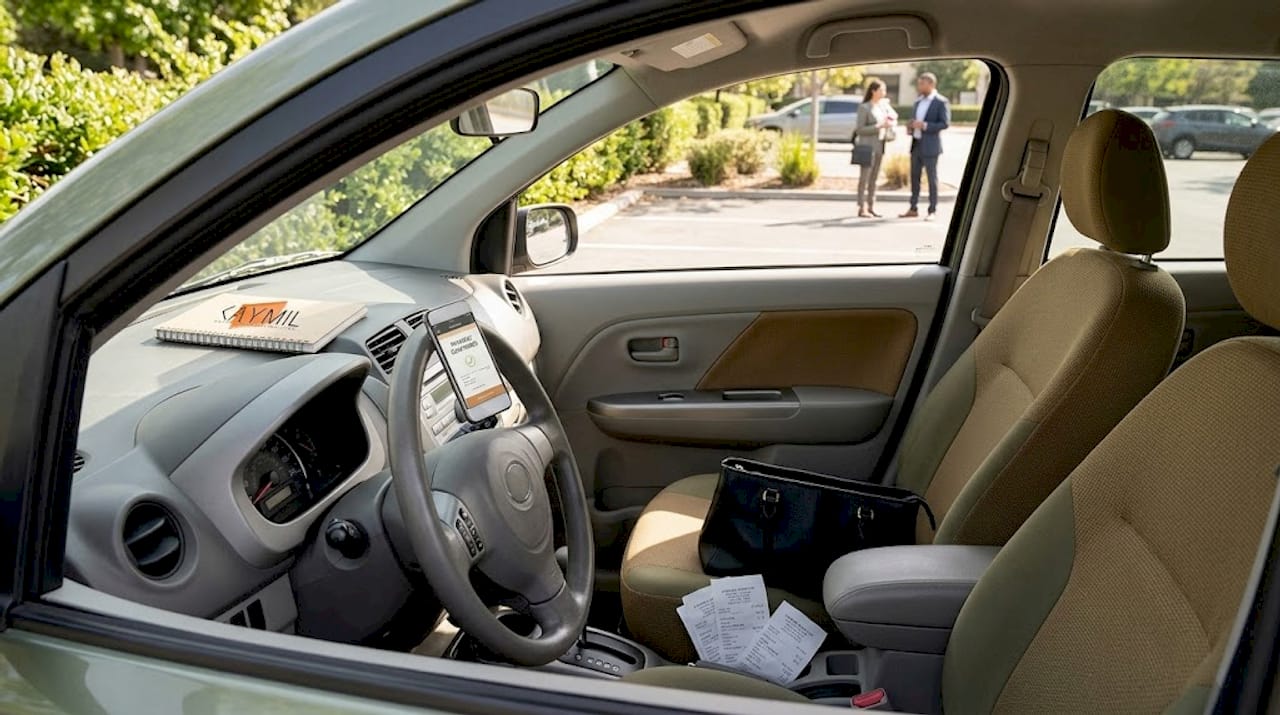
Secure and verify your official QR codes. Most facilities post QR codes on machines and signage without a verification protocol. Conduct weekly visual inspections of all payment terminals to check for tampered or overlaid codes. Replace sticker-based codes with tamper-evident materials.
Deploy license plate recognition linked to real-time databases. Removing physical credentials and using license plate recognition tied to a live database effectively eliminates permit fraud by preventing sharing or forgery. When enforcement is automated and database-driven, no physical document can be faked or passed between users.
Establish user education protocols. Signage at entry points should clearly display the official payment method, the accepted QR code, and a fraud reporting contact. Drivers who know what legitimate payment looks like are your first line of defense.
- Install tamper-evident QR code stickers or screen-integrated codes
- Post signage at entry and payment points identifying official parking partners
- Create a simple fraud reporting channel for drivers (text or QR code to a verified form)
- Review permit programs against a digital hang tag transition to reduce forgery exposure
Pro Tip: Review your jurisdiction’s ticket resale laws before setting digital ticket policies. Regulatory fines for illegal resale can reach significant amounts, and compliance protects your organization from liability.
Step-by-step implementation of fraud reduction measures
With the foundation in place, the following steps move your operation from reactive to proactive fraud prevention.
Step 1: Audit your current ticketing and payment systems. Walk every payment point in your facility and document the following: Does each terminal accept only official payment? Are QR codes verified and tamper-resistant? Do paper tickets carry any authentication features? This audit creates a baseline from which you can measure progress.
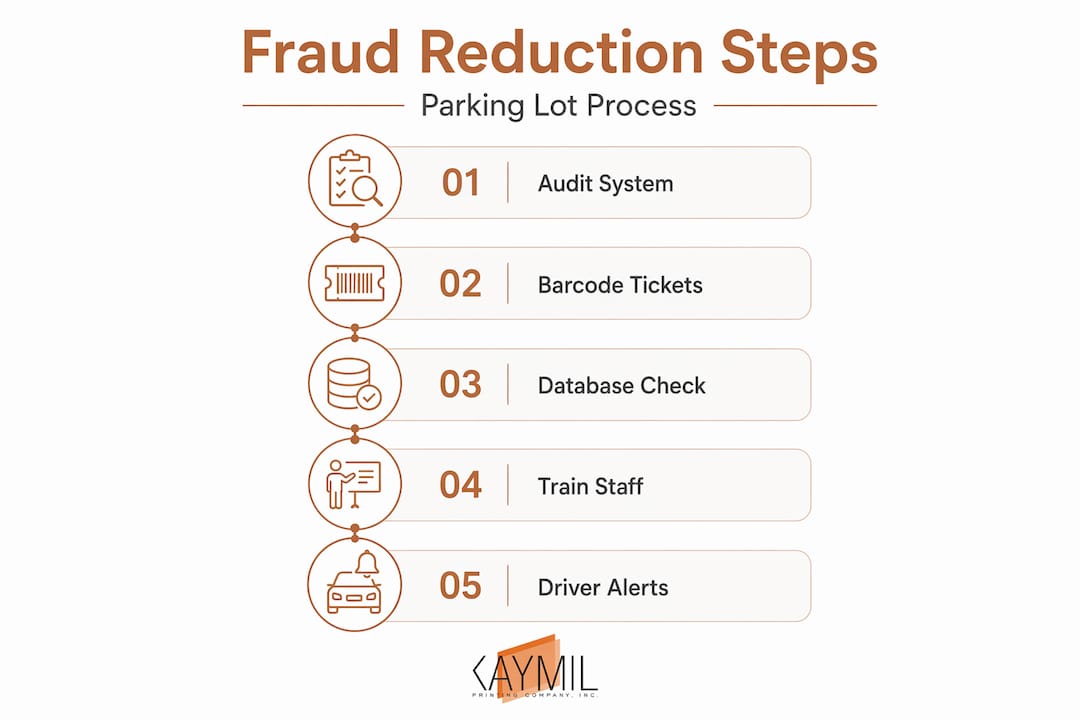
Step 2: Transition to machine-issued or barcoded tickets. Barcode tickets with secure numbering reduce cloning and counterfeiting risks that plain paper tickets carry. Machine-issued tickets generated at the time of entry are time-stamped and sequentially numbered, which makes duplication obvious during validation.
Step 3: Integrate real-time database validation for digital tickets. Generic QR code scanning apps fail to prevent fraud because they do not validate against live databases. Proprietary validation systems check each ticket against a central record at the moment of scan. A ticket that has already been used, never existed, or belongs to another vehicle gets flagged immediately.
| Validation method | Fraud risk level | Real-time database check |
|---|---|---|
| Paper ticket only | High | No |
| Generic QR scan app | Medium-High | No |
| Proprietary barcode system | Low | Yes |
| LPR with live database | Very Low | Yes |
Step 4: Train staff to recognize and report scam attempts. Comprehensive staff training to identify fake attendants is a proven best practice. Train your team to spot unauthorized individuals in unofficial attire, respond to driver reports of suspected fraud, and contact local enforcement rather than confront suspects directly. Run brief scenario-based training sessions quarterly, not just at onboarding.
Step 5: Communicate clearly with drivers before and during events. For event venues, the role of parking tickets at large events extends beyond vehicle management. Parking is the first operational touchpoint for event attendees, and fraud at this stage damages trust in the entire event. Pre-event email confirmations, venue website notices, and in-lot signage should all reinforce the official payment process and flag what legitimate receipts look like.
Pro Tip: Send a pre-arrival text or email to confirmed ticket holders that includes a direct link to the official parking payment page. This single step dramatically reduces how many drivers fall for fraudulent QR redirects.
Common mistakes and how to avoid them
Even well-intentioned fraud prevention programs break down at the execution level. These are the failure points that parking operators most commonly overlook.
- Over-relying on generic QR scanning. Without proprietary QR validation integrated with a live payment database, scanning a code proves nothing about its authenticity.
- Leaving cash payment options open. Every cash transaction without an official receipt is an invitation for unauthorized operators. If your facility cannot go fully cashless, implement mandatory receipt generation at every terminal.
- Ignoring permit sharing as a fraud type. Many operators focus on external fraud and miss internal abuse. Permit sharing between employees, tenants, or event staff is a revenue loss just as significant as external scams. Digital real-time validation eliminates this category entirely.
- Letting database records fall out of sync. A validation system is only as good as its data. If vehicles are added or removed from the authorized database without timely updates, you generate false positives that frustrate legitimate drivers and erode staff trust in the system.
- Failing to coordinate with local law enforcement. When fraud is detected, having an established contact at local law enforcement accelerates the response. Do not wait for an incident to build that relationship.
“Parking fraud is not a one-time event. It is an ongoing operational pressure that requires routine vigilance, regular system audits, and consistent staff engagement to manage effectively.”
Operators who treat fraud prevention as a setup task rather than a continuous process are the ones who experience repeat incidents.
Measuring success and verifying results
Implementation is not the finish line. You need a clear measurement framework to confirm your fraud reduction efforts are working and to detect new threats as they emerge.
| Metric | What to track | Review frequency |
|---|---|---|
| Fraud incident reports | Number of driver-reported fraud attempts | Monthly |
| Revenue anomalies | Unexplained gaps in expected vs. collected revenue | Weekly |
| Validation rejection rate | Percentage of tickets flagged at scan points | Per event or daily |
| Staff-reported suspicious activity | Unauthorized individuals or equipment in lot | Monthly |
| Permit violation rate | Unauthorized vehicles using forged or shared permits | Monthly |
Beyond the numbers, build regular feedback loops with your staff. Attendants working entry and exit points will often notice patterns before your data does. A surge in driver complaints about payment redirects may signal a new fake QR placement that has not yet shown up in your revenue numbers.
Upgrade your systems in response to documented threat changes, not just on a fixed schedule. If fake QR codes are actively targeting facilities in your metro area, that is a signal to audit your terminals that week, not at the next annual review.
Leverage transaction logs and validation data to run quarterly risk assessments. Identify which payment points, time windows, or event types generate the highest anomaly rates, and direct enforcement resources accordingly.
My perspective on the fraud problem operators underestimate
I’ve watched parking fraud evolve from a low-tech nuisance into a technically sophisticated threat that operators consistently underestimate. The shift to mobile payments and QR codes was an operational improvement, but it opened a new surface for fraud that many facilities are not equipped to close.
What I’ve seen in practice is that operators who still rely on physical permits or generic paper tickets without any authentication features are not just behind on technology. They are carrying a fraud liability that compounds with every event and every season. The financial losses are real, but the reputational damage to an event venue after drivers report being scammed in your lot is harder to recover from.
The technology exists to close most of these gaps. License plate recognition tied to live databases, barcoded tickets with sequential numbering, and proprietary QR validation systems are not experimental. They are proven, widely deployed, and accessible to facilities of all sizes. What holds operators back is usually inertia, not cost.
My honest take: treat parking ticket security as a core operational priority, not an IT project. The parking experience shapes how attendees feel about your entire venue before they walk through the door. Protecting that experience is worth the investment.
— Richard
Protect your revenue with Caymil’s secure ticketing solutions
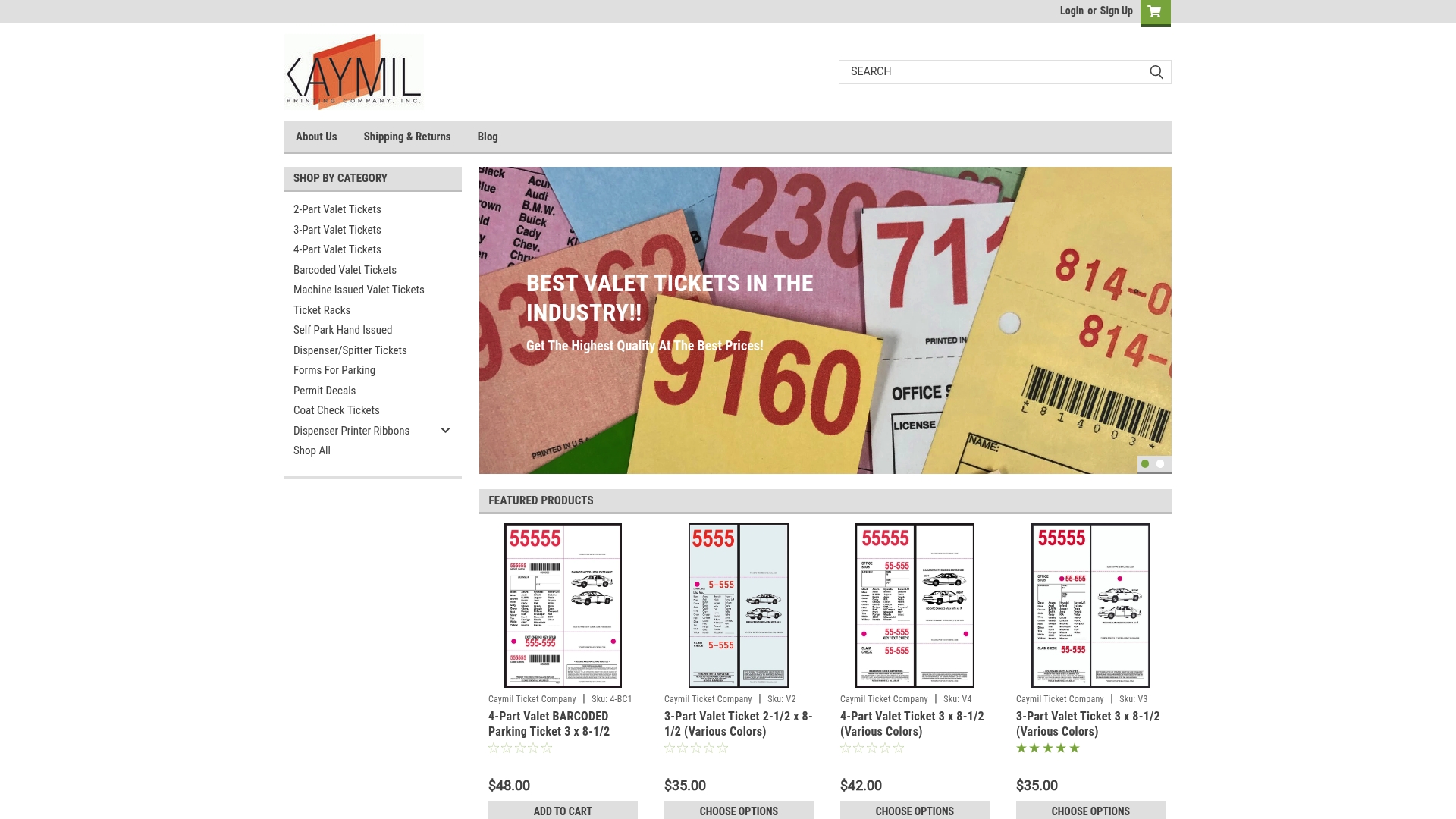
Caymil has been manufacturing secure parking and event ticketing solutions since 1937, and the product line is built specifically to address the vulnerabilities this guide covers. Caymil’s machine-issued valet tickets are sequentially numbered and printed at point of issuance, which makes duplication immediately detectable. Caymil’s barcoded parking tickets integrate with major parking management systems including Amano, TIBA, SKIDATA, and Flowbird, supporting real-time validation at every scan point. For operators managing permit programs, multi-part carbonless formats and customizable security features reduce forgery exposure significantly. Explore Caymil’s full catalog of parking security forms to find the ticketing solution that fits your facility’s specific fraud prevention needs.
FAQ
What are the most common parking lot ticket fraud types?
The most prevalent forms include fake QR code payment redirects, unauthorized attendants using personal card readers, fraudulent parking citations sent by text, and forged or shared physical parking permits. Each targets a different operational gap in your facility.
How do barcode tickets help prevent parking ticket fraud?
Barcoded tickets with sequential numbering are validated against a live database at the point of scan, making duplicate or counterfeit tickets immediately detectable. Unlike plain paper tickets, barcode tickets create a verifiable record tied to a specific vehicle, entry time, and transaction.
What is the role of parking tickets at large events?
At large events, parking tickets serve as the first authentication point for attendees and establish a verifiable record of legitimate access. Secure ticket issuance at these events prevents unauthorized resale, duplicate entry, and ghost attendant fraud that directly reduces venue revenue.
How can operators detect fake parking tickets?
Operators can detect fake parking tickets by deploying proprietary barcode or QR validation systems that check each ticket against a live database in real time. Visual inspections, sequential numbering verification, and staff training to flag anomalies also support fraud detection at the operational level.
How do cashless payment systems reduce parking fraud?
Cashless payment systems eliminate the cash transactions that ghost attendants depend on and generate a digital audit trail for every transaction. When every payment is logged with a time stamp and receipt, unauthorized collections become visible in revenue reconciliation and easier to investigate.