
Luxury Hotel Valet Ticket Explained for Guests and Pros
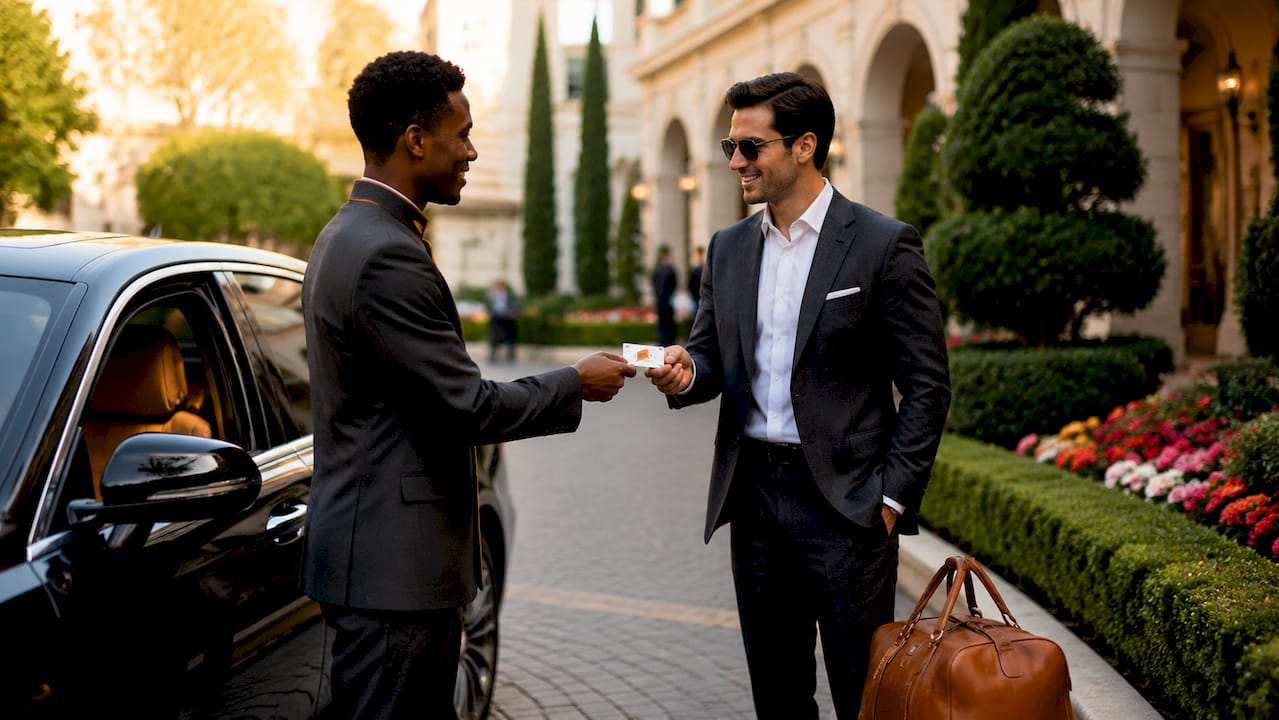
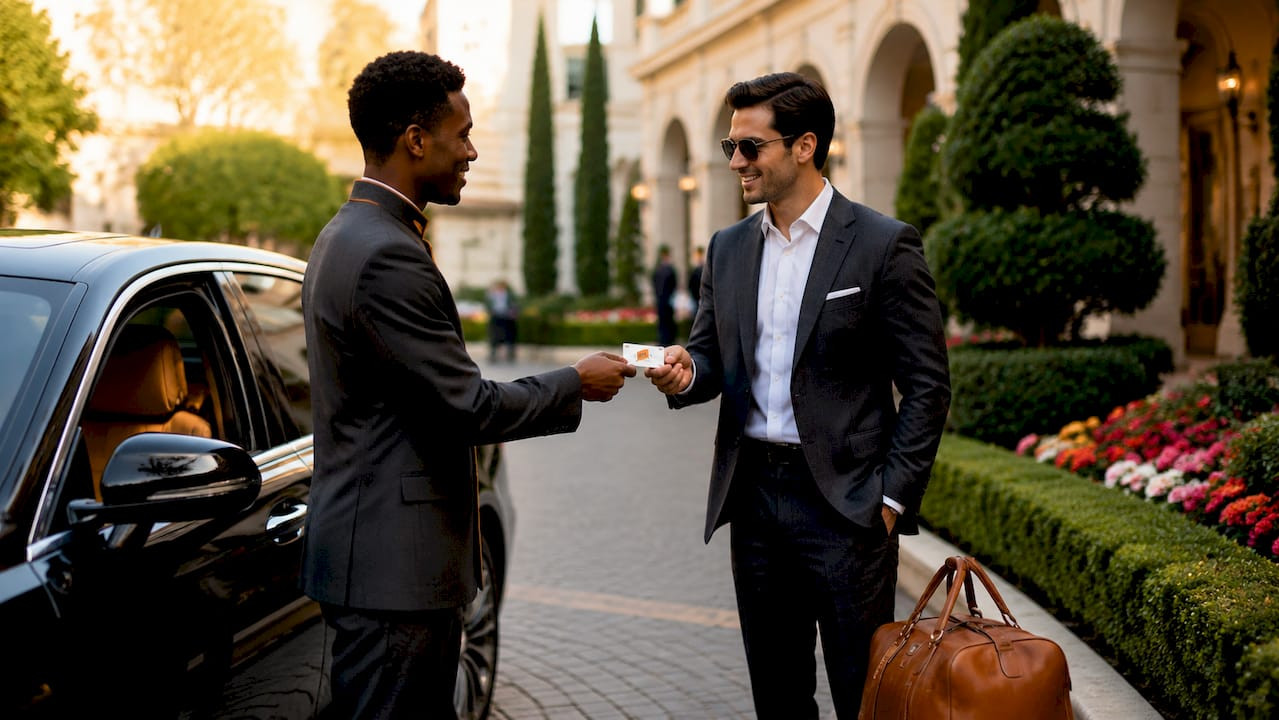
A luxury hotel valet ticket is a specialized claim check issued to guests upon arrival, uniquely identifying their vehicle and enabling secure, efficient retrieval in upscale hotel environments. Known in the industry as a valet parking ticket or valet claim check, this small document carries significant operational weight. It records vehicle details, assigns a parking location, and coordinates with bell desk and luggage services to create a polished guest arrival experience. For travelers, understanding how the system works removes uncertainty. For hospitality professionals, knowing the design and operational standards behind these tickets is the foundation of five-star valet service.
What is a luxury hotel valet ticket and how does it work?
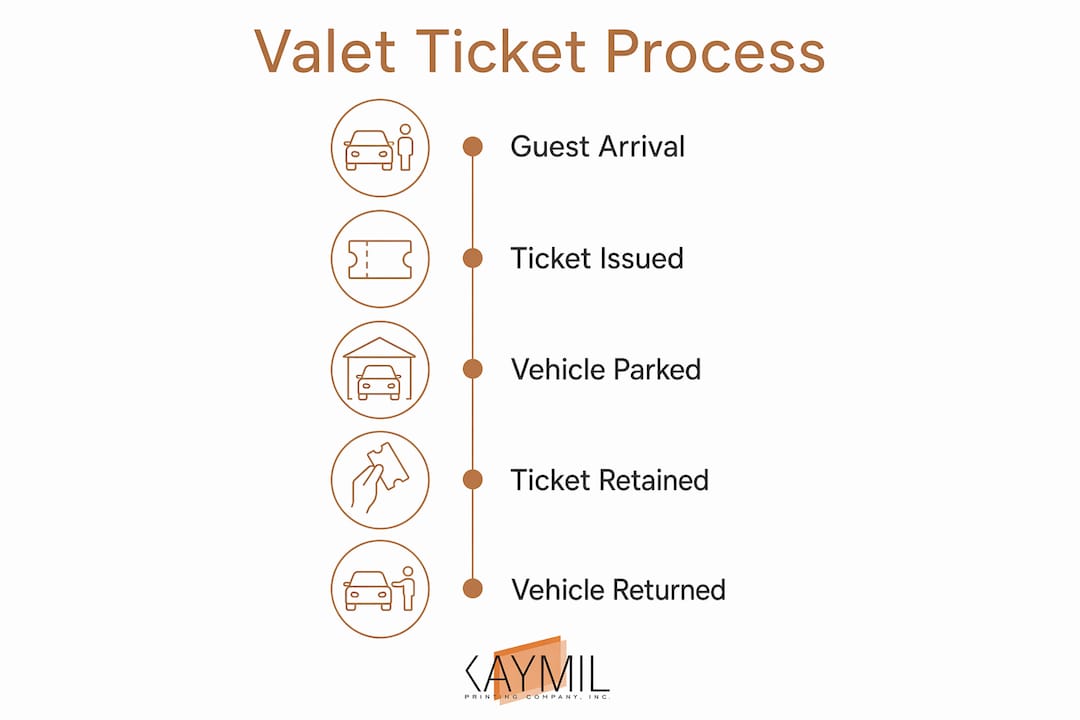
A luxury hotel valet ticket is more than a simple receipt. It is the operational backbone of the entire vehicle handoff process, from the moment a guest pulls up to the entrance until the car is returned. The ticket links the guest, the vehicle, and the parking attendant through a single numbered document that every department can reference.
When a guest arrives, the valet attendant records key details on the ticket before moving the vehicle. Those details typically include:
- Vehicle make, model, and color
- License plate number
- Unique sequential ticket number
- Date and time of arrival
- Attendant initials or ID
- Parking location or zone assigned
The guest keeps one portion of the ticket. The attendant retains the other. Vehicle retrieval depends entirely on matching these two portions accurately, which is why sequential numbering and clear printing are non-negotiable in luxury settings.
At resort properties, the valet ticket works alongside a separate luggage claim ticket. Luggage and vehicle retrieval are coordinated but tracked independently, so a guest checking out can have their car staged and bags delivered to the entrance simultaneously. Failing to separate these two tracking systems is one of the most common sources of guest delays.
Tipping customs vary, but valet gratuities typically average $1 to $5 per service interaction. Luxury hotels often embed the valet fee within the room rate, so guests may not pay a separate parking charge at all.
Pro Tip: Keep your valet ticket in the same place every time, such as your wallet or room key holder. A lost ticket triggers additional identity verification steps that slow retrieval and create friction at checkout.
How do luxury hotels design custom valet tickets for branding and efficiency?
Custom valet ticket design is a direct reflection of a hotel’s brand standards. A generic, unbranded ticket signals low attention to detail. A custom ticket printed with the hotel’s logo, color palette, and typography reinforces the property’s identity from the first moment of guest contact.

Luxury hotels typically choose multi-part carbonless ticket formats. Each part serves a distinct department.
| Ticket format | Typical use case |
|---|---|
| 2-part ticket | Guest copy and valet attendant copy |
| 3-part ticket | Guest, valet, and bell desk coordination |
| 4-part ticket | Guest, valet, bell desk, and management audit copy |
Multi-part valet tickets reduce luggage handling errors by giving each department its own physical record. A 4-part format is especially useful at large resort properties where the valet, bell desk, and front desk all need independent confirmation of a guest’s vehicle status.
Beyond format, the most effective custom tickets include:
- Hotel logo and brand colors printed on the guest-facing copy
- Sequential numbering for audit control and loss prevention
- Barcodes or QR codes for integration with parking management systems
- Pre-printed fields for vehicle condition notes
- Durable card stock that resists tearing and moisture
Caymil has manufactured custom branded valet tickets since 1937, producing multi-part carbonless formats with barcoding, sequential numbering, and full-color logo printing. The durability of the stock matters in outdoor valet environments where tickets are handled quickly and exposed to weather.
What technologies are improving valet ticket systems in luxury hotels?
Digital technology is changing how luxury hotels manage valet ticketing, but paper tickets have not disappeared. The two systems increasingly work together rather than replace each other.
- License plate recognition (LPR): Cameras capture the plate at arrival and link it to a digital record. The physical ticket still serves as the guest’s claim check, but the system can locate the vehicle instantly without manual searching.
- Barcode and QR code scanning: Attendants scan the ticket barcode at retrieval, pulling up the parking location on a tablet or handheld device. This eliminates the need to memorize lot layouts and reduces retrieval time significantly.
- POS integration: Valet fees are charged directly to the room account by scanning the ticket at checkout, removing the need for cash transactions at the valet stand.
- Mobile and app-based retrieval: Some luxury properties allow guests to request their vehicle through a hotel app, triggering the retrieval process before they even leave their room.
Digital parking validation based on license plate recognition and POS integration reduces parking-related guest complaints by approximately 80%. That reduction translates directly into better online reviews and repeat bookings for luxury properties.
Frictionless parking validation using QR codes or mobile checkout removes the paper ticket hassle entirely in some configurations. The guest experience improves when validation feels invisible rather than like an administrative task.
Pro Tip: If your property is evaluating digital valet systems, do not eliminate paper tickets entirely during the transition. A physical backup prevents service failures when mobile networks or scanners go offline during peak arrival periods.
The average valet attendant is between 19 and 25 years old, with high attendant turnover a consistent industry challenge. Simple, clearly printed tickets reduce training time and minimize errors when new staff are learning the system. Technology helps, but ticket clarity remains the first line of defense against retrieval mistakes.
How do valet ticket systems integrate with hotel operations?
A valet ticket does not operate in isolation. In a well-run luxury hotel, it connects to the bell desk, front desk, and parking management systems as part of a coordinated guest service chain.
Vehicle staging is one of the most operationally demanding aspects of luxury valet service. Experienced teams use ticket data to prioritize which vehicles to pull first, especially during morning checkout rushes or when VIP guests have scheduled departures. A ticket system that records expected departure time or VIP status gives attendants the information they need to stage vehicles proactively rather than reactively.
The valet ticket also serves a critical liability function. Pre-existing vehicle conditions are documented at intake on the ticket or an accompanying condition form. This protects both the guest and the hotel from disputes over damage that occurred before the vehicle was handed over.
Common operational pitfalls in luxury hotel valet programs include:
- Failing to coordinate vehicle and luggage retrieval, which forces guests to wait at the entrance with bags but no car
- Using generic tickets without sequential numbering, making audit trails impossible
- Skipping vehicle condition documentation at intake, which creates liability exposure
- Relying entirely on digital systems without a paper backup during technology failures
Coordinating luggage and vehicle handoffs through multi-copy ticket systems is the most reliable way to prevent guest wait times at departure. The bell desk copy of a 3-part or 4-part ticket gives luggage staff the same reference number the valet team is working from, so both teams move in sync.
Valet service sets the emotional tone for a guest’s entire stay. A smooth arrival with a well-executed ticket handoff signals that the property is organized and attentive. A fumbled retrieval at checkout, regardless of how good the room was, is often the detail guests remember and mention in reviews.
Key Takeaways
A luxury hotel valet ticket is the operational and brand anchor of the entire guest vehicle experience, and its design directly determines service speed, liability protection, and guest satisfaction.
| Point | Details |
|---|---|
| Core ticket function | The valet ticket uniquely identifies each vehicle and links guest, attendant, and parking location. |
| Multi-part formats matter | 3-part and 4-part tickets coordinate valet, bell desk, and management for error-free service. |
| Custom branding adds value | Logo, color, and sequential numbering on tickets reinforce brand standards and support audits. |
| Technology works with paper | Digital systems like LPR and QR scanning improve speed but should not replace paper backups. |
| Liability protection is built in | Documenting vehicle condition at intake on the ticket protects both guests and the hotel. |
Why the valet ticket deserves more attention than it gets
Most hospitality professionals spend hours debating lobby design and zero minutes thinking about valet ticket stock weight. That is a mistake. The valet ticket is the first physical object a guest touches at your property. It is handed over before they see the room, before they meet the concierge, and before they form any opinion about the hotel. First impressions are set in seconds, and a flimsy, generic ticket printed on thin paper communicates exactly the wrong thing at exactly the wrong moment.
I have seen properties invest heavily in digital valet apps and then print the backup paper tickets on stock so thin it tears when the attendant writes on it. The app looks great in a demo. The torn ticket looks terrible at 11 p.m. when the system goes offline and the attendant is trying to find a guest’s car in a dark garage.
The future of luxury valet ticketing is a hybrid model. Digital retrieval requests and LPR scanning will handle the speed and efficiency side. Custom printed, multi-part tickets will handle the brand impression, liability documentation, and operational backup. Neither replaces the other. The properties that understand this will consistently outperform those chasing a fully paperless system before the technology is reliable enough to support it.
The one mistake I see most often is treating the valet ticket as a commodity purchase. Ordering the cheapest available ticket to save a few dollars per thousand is a false economy when one liability dispute over undocumented vehicle damage costs more than a year’s worth of premium ticket stock.
— Richard
Custom valet ticket solutions from Caymil
Caymil has manufactured valet parking tickets for luxury hotels, resorts, and hospitality operators across the United States since 1937. The product line covers every format a luxury property needs, from 2-part carbonless tickets for straightforward valet operations to 4-part tickets that coordinate across valet, bell desk, and management simultaneously.
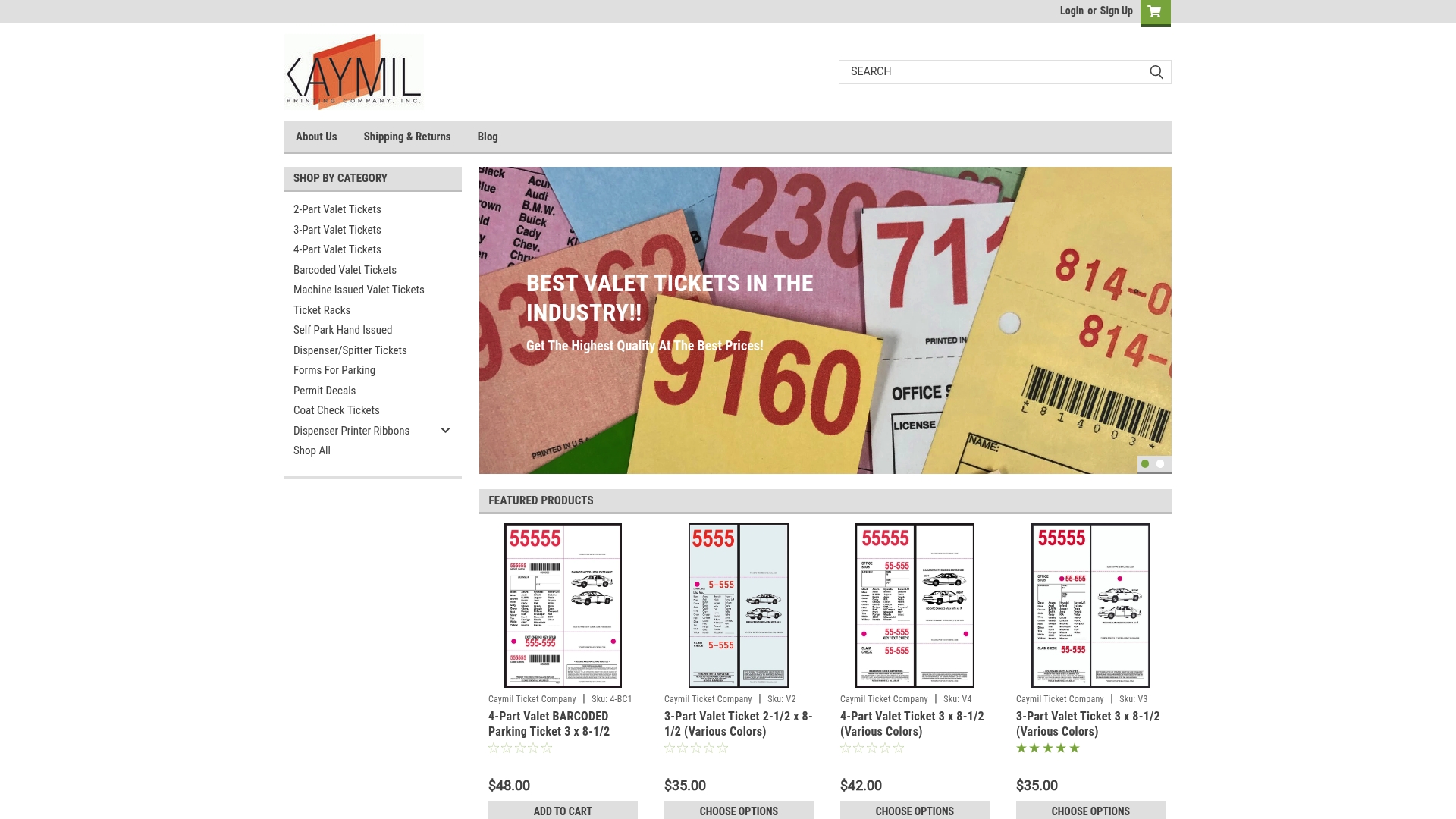
Every ticket is available with custom logo printing, sequential numbering, barcoding, and security features that meet the standards of upscale hotel environments. Caymil also supplies machine-issued valet tickets compatible with high-speed printers for properties processing high vehicle volumes. With millions of tickets in stock and fast nationwide shipping, Caymil delivers the quality and consistency that luxury hotel operations require. Contact Caymil directly to request samples or a custom quote for your property’s valet program.
FAQ
What is a valet ticket in a luxury hotel?
A valet ticket is a numbered claim check issued to guests when they hand over their vehicle. It records vehicle details and links the guest to their car for secure retrieval.
What information is recorded on a luxury hotel valet ticket?
Standard valet tickets record the vehicle make, model, color, license plate, arrival time, parking location, and a unique sequential number used to match the guest copy to the attendant copy.
Why do luxury hotels use custom branded valet tickets?
Custom tickets reinforce brand identity at the first point of guest contact and include security features like sequential numbering and barcodes that support audit control and reduce retrieval errors.
What happens if a guest loses their valet ticket?
A lost ticket triggers additional identity verification steps before the vehicle is released. This slows retrieval and creates friction, which is why luxury properties train attendants to handle lost tickets with a documented secondary verification process.
How do digital systems work alongside paper valet tickets?
Digital tools like license plate recognition and QR code scanning speed up retrieval and integrate with POS billing, but paper tickets remain the reliable backup when technology fails during peak service periods.