
How Upscale Valet Operations Work: 2026 Guide
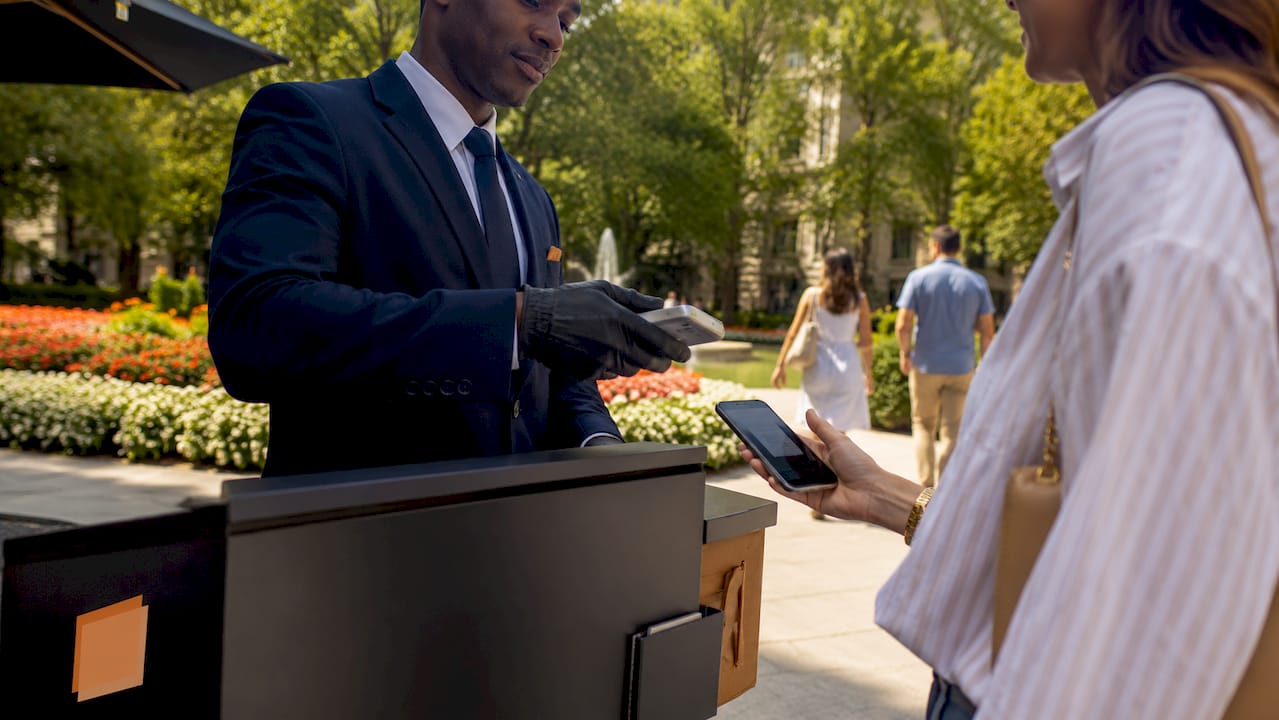
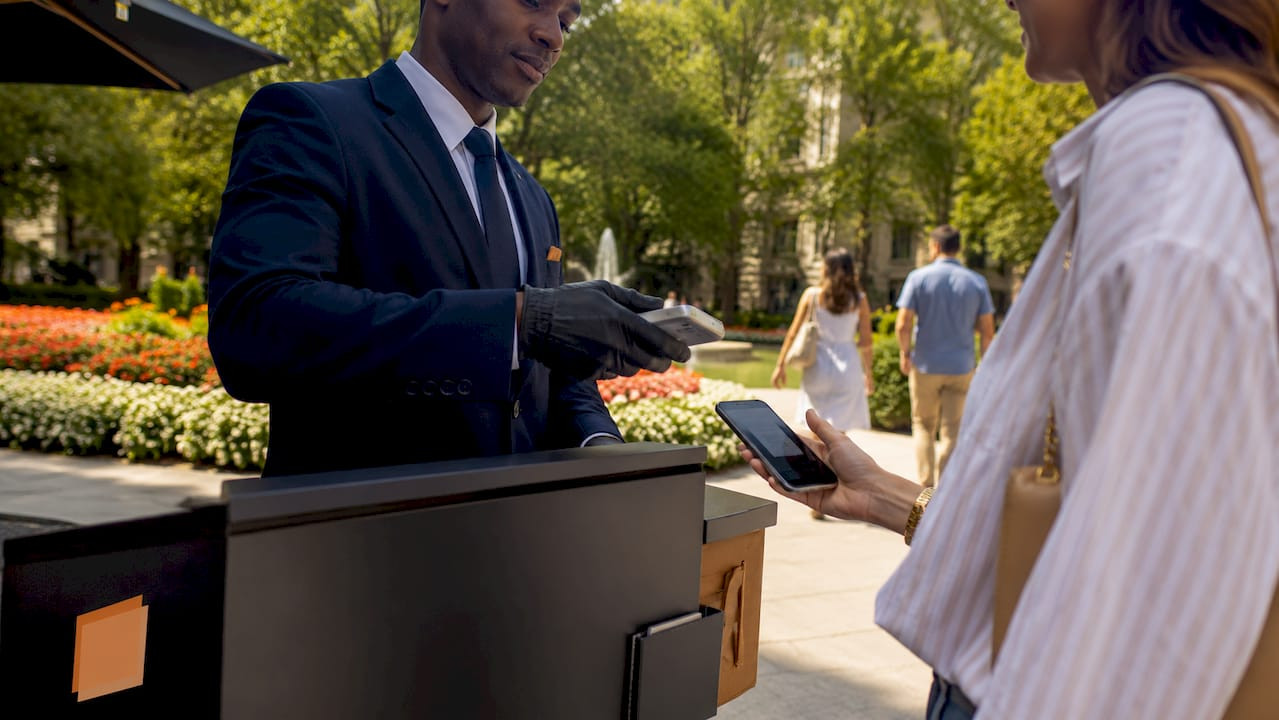
Upscale valet operations are defined as coordinated, technology-enabled parking services that integrate digital ticketing, real-time vehicle tracking, and demand-responsive staffing to deliver a luxury guest experience. Understanding how upscale valet operations work means looking beyond the attendant at the curb. The real system runs on synchronized workflows connecting the valet stand, front-of-house teams, key management protocols, and property management systems. Hotels, fine dining restaurants, and event venues that get this right turn valet parking into a measurable competitive advantage. The tools and staffing models behind professional valet operations are more structured than most hospitality managers realize.
How do upscale valet operations work at a technical level?
Modern upscale valet operations rely on digital infrastructure as much as trained staff. Digital ticketing has replaced paper-based systems at most high-end properties, allowing guests to request vehicle retrieval through mobile apps, SMS alerts, or kiosk-based QR codes. The shift matters because switching from paper to QR-coded mobile tickets cuts average retrieval times from 10–15 minutes down to 4–7 minutes. That reduction directly affects guest satisfaction scores and table turnover in restaurant settings.
Vehicle tracking and damage documentation
Vehicle location tracking systems assign each car a specific stall or zone at intake. Attendants log the location digitally, so dispatchers can locate any vehicle within seconds rather than searching a lot. Alongside tracking, damage documentation protocols use timestamped photos linked to individual attendant IDs at both drop-off and retrieval. A standardized two-phase condition workflow resolves disputes before they escalate and builds accountability across the team.
Key management and PMS integration
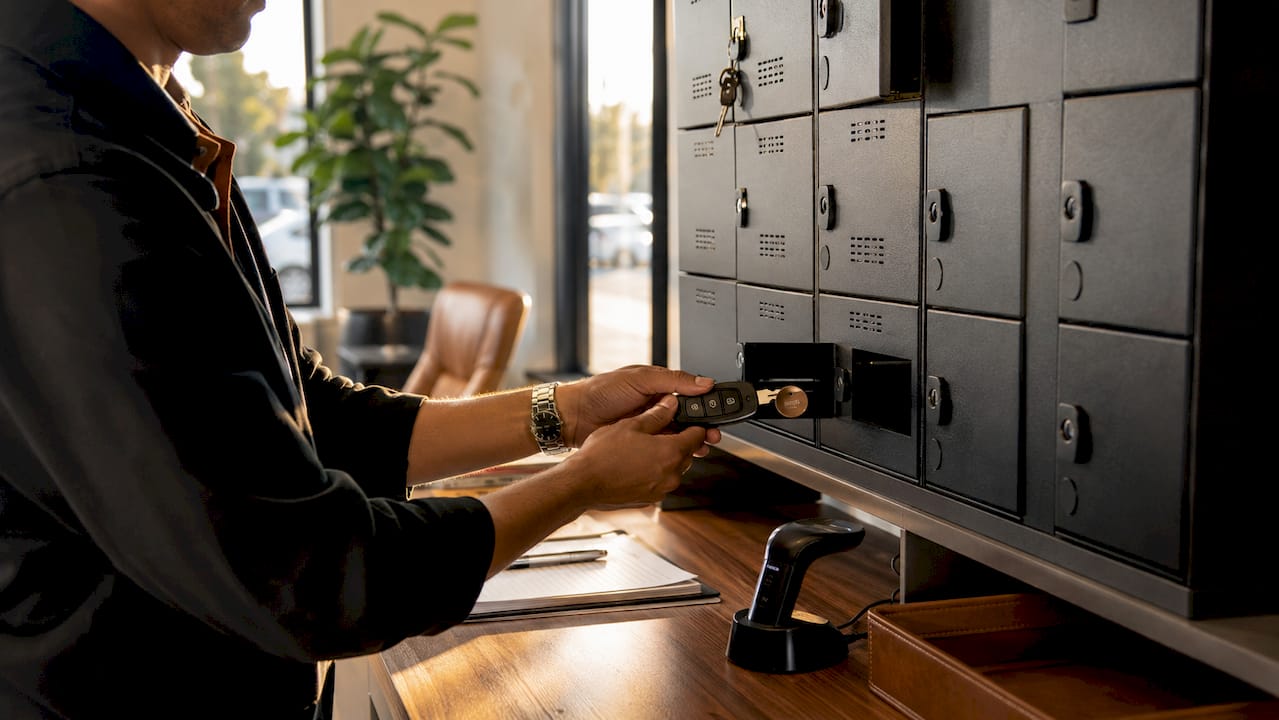
Key management systems with numbered tags, barcode or RFID scanning, and locked storage minimize errors and reduce theft risk. Consistency in key custody builds guest trust and reduces operational friction through technology-enabled matching and verification. Integration with property management systems (PMS) allows charges to post automatically to a guest’s room folio, removing manual billing steps. For hotels running high-volume valet programs, PMS integration also provides revenue tracking data that supports staffing and pricing decisions.
How should valet staffing respond to demand?
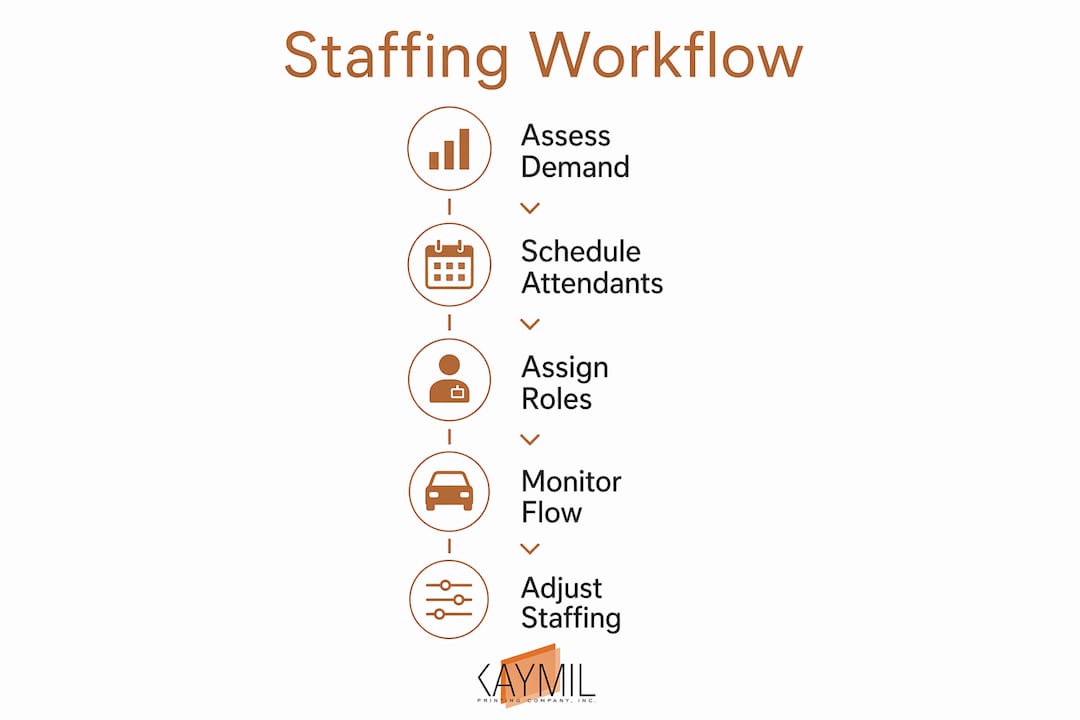
Fixed shift models fail in upscale valet because guest arrivals are never evenly distributed. Hotels add attendants during peak check-in periods and scale back during low-demand windows, targeting a 30-second greeting standard from the moment a guest reaches the valet entrance. That standard is not achievable with a flat staffing model.
Role differentiation in professional valet teams
A well-structured valet team separates responsibilities into three core roles:
- Podium attendant greets guests, issues tickets, and manages the intake log.
- Driving attendants move vehicles to assigned stalls and return them on request.
- Dispatcher or coordinator manages real-time communication between the podium and drivers, prioritizing retrievals based on departure timing.
This role separation prevents bottlenecks at the podium and keeps vehicle flow moving during peak windows.
Staffing models for restaurants and events
For a 100-seat upscale restaurant, a practical staffing model runs 2 attendants during peak arrival, 1 attendant mid-service, and 2–3 attendants during the departure rush, covering a 4–6 hour service window aligned to reservation flow. 60–80% of vehicles arrive in a few 15-minute windows, which means pre-staging and demand-responsive operations are not optional. They are the difference between a smooth departure experience and a 20-minute wait at the curb.
Pro Tip: Map your reservation clusters before each service window. Pre-stack vehicles from the first wave before the second wave arrives. This single practice eliminates most departure-time congestion.
How does valet integrate with guest experience and venue flow?
Fine dining valet treats the curb as part of the dining room, coordinating with the maître d’ and servers for discreet and choreographed guest transitions. The valet stand and host stand share real-time arrival notifications so that a guest’s name is known before they reach the door. That coordination removes the awkward gap between parking and greeting.
Course-synced vehicle retrieval is one of the most effective practices in high-end valet logistics. When a server signals that a table is finishing dessert, the dispatcher stages the vehicle so it arrives at the entrance within minutes of the guest. The result is a departure that feels effortless rather than transactional.
“The valet is not a separate service. It is the first and last impression of the entire guest experience.” This principle, applied consistently, is what separates upscale valet from standard parking management.
Handling special occasions and large parties
Large party coordination requires advance communication between the event planner, venue manager, and valet team. Staggered arrival windows, pre-assigned parking zones, and a dedicated coordinator at the podium prevent the entrance from becoming congested. For special occasions like anniversaries or corporate events, valet attendants can be briefed on guest names and preferences to add a personalized touch. Protocols for gratuity transparency, including clearly posted tipping policies or cashless tipping options, reduce awkward interactions and support fair staff compensation. The valet parking log becomes a critical tool here, capturing every vehicle movement and attendant interaction for accountability.
What are the protocols for luxury vehicle handling?
Luxury vehicle handling requires training that goes beyond standard driving competency. Pre-shift vehicle training covers exotic and luxury brands with specific handling needs, including manual transmissions, sport mode disengagement, and low-clearance entry points. Attendants who are not briefed on a Lamborghini Huracán’s paddle-shift system or a Porsche 911’s rear-engine weight distribution create real risk for the operation.
Standard vs. upscale vehicle handling protocols
| Protocol Area | Standard Valet | Upscale Valet |
|---|---|---|
| Vehicle condition check | Visual walk-around | Timestamped photo documentation, two phases |
| Key storage | Numbered hook board | Locked VIP key box, supervisor authorization required |
| Driver training | Basic license verification | Pre-shift briefing on specific vehicle models |
| Speed limits in lot | General caution | Defined speed protocols, no sport mode |
| Dispute resolution | Manager review | Photo evidence linked to attendant ID |
Secure key storage for high-value vehicles goes beyond a standard hook board. VIP key boxes with supervisor authorization requirements add a layer of accountability that guests with premium vehicles expect. Insurance procedures and lost-key protocols should be documented and rehearsed, not improvised when an incident occurs.
Pro Tip: Assign your most experienced driving attendant to any vehicle valued above a defined threshold, such as $100,000. Document this assignment in the intake log so there is a clear chain of custody from arrival to retrieval.
Key takeaways
Upscale valet operations succeed through the combination of digital ticketing, demand-responsive staffing, and tight coordination between the valet team and front-of-house staff.
| Point | Details |
|---|---|
| Digital ticketing cuts retrieval time | Switching from paper to QR-coded tickets reduces retrieval from 10–15 minutes to 4–7 minutes. |
| Staffing must follow demand curves | Pre-stage vehicles during reservation waves and scale attendants to peak arrival windows, not fixed shifts. |
| Valet is part of front-of-house | Coordinate with the host stand and servers for course-synced retrievals and personalized guest greetings. |
| Luxury vehicles need specific protocols | Pre-shift training, two-phase condition documentation, and VIP key storage reduce disputes and risk. |
| Key management builds trust | RFID or barcode-based key systems with locked storage improve auditability and guest confidence. |
Why most valet programs underperform (and how to fix it)
After years of working with hospitality operations across hotel, restaurant, and event settings, the pattern is consistent. The valet program is treated as a logistics function rather than a hospitality function. That single mindset gap explains most of the service failures I see.
The technology side is actually the easier fix. Digital ticketing, vehicle tracking, and PMS integration are available at accessible price points. What takes more effort is integrating the valet team into the daily service briefing alongside servers, hosts, and concierge staff. When the valet coordinator knows that Table 12 is a VIP anniversary dinner, the departure experience changes completely.
Tipping policy is another area that gets ignored until it creates a problem. Tipping conflicts in luxury valet settings are managed via clear policies and consistent enforcement to protect staff motivation during peak retrieval. Cashless tipping platforms like TipBrief or Venmo-based systems are now common at upscale properties and remove the friction entirely.
The future of upscale valet points toward 24/7 service models with concierge integration, where the valet team handles luggage coordination, ride-share staging, and guest communication through a single platform. Operations that invest in this integration now will have a structural advantage over those still running paper tickets and fixed shifts.
— Richard
Upgrade your valet operation with caymil’s ticketing solutions
Caymil has supported professional valet operations since 1937, manufacturing ticketing products built for the demands of upscale hospitality environments. Whether your operation runs a high-volume hotel program or a fine dining service window, the right ticket system directly affects retrieval speed, error rates, and guest confidence.
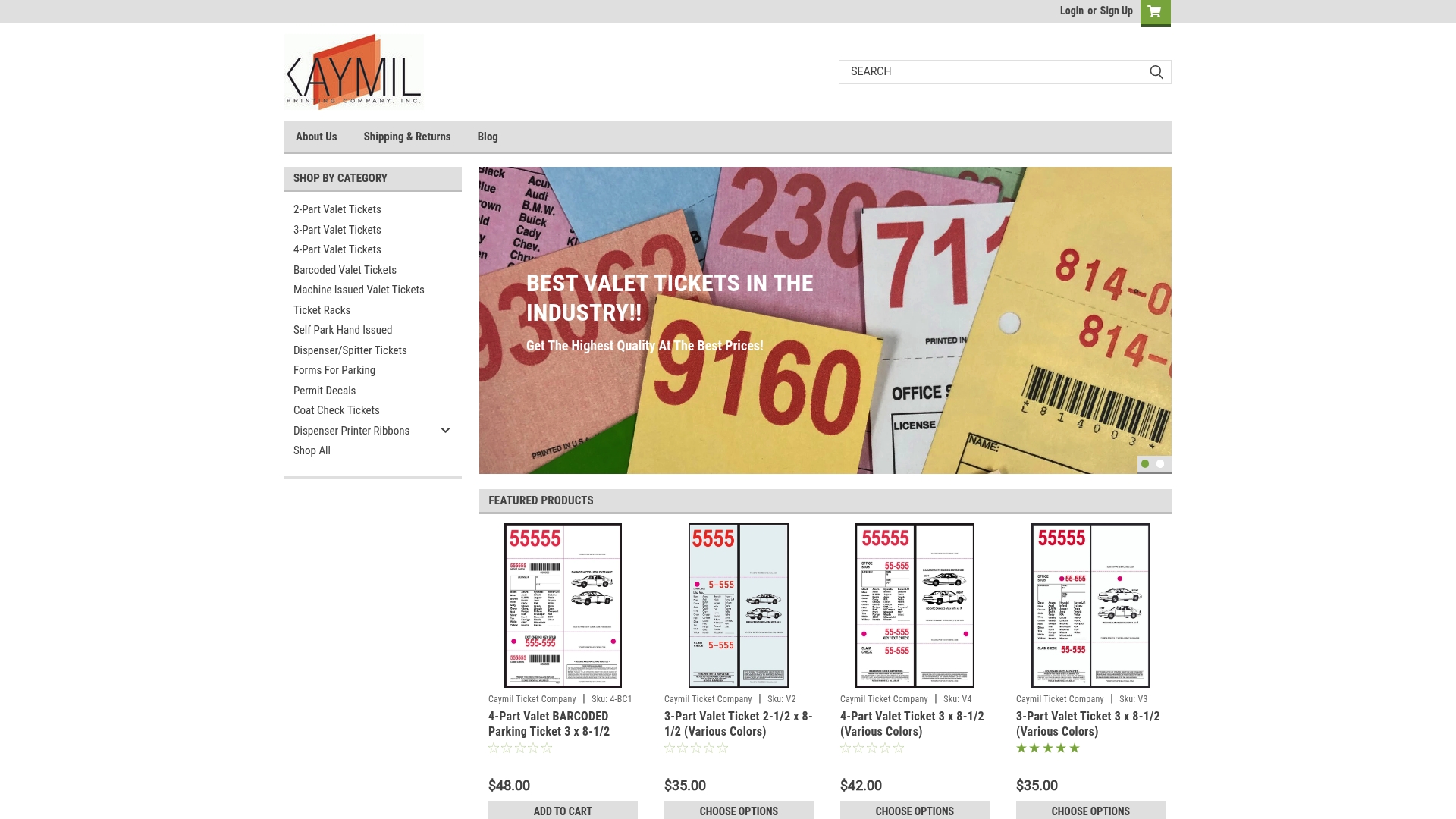
Caymil offers barcode valet parking tickets for scanning-based retrieval systems, 2-part, 3-part, and 4-part valet tickets for operations that need carbonless copies for billing and records, and machine-issued valet tickets compatible with major parking systems. All products are available with custom branding, sequential numbering, and security features designed for upscale environments. Contact Caymil to find the ticketing format that fits your operation’s volume and workflow.
FAQ
What technology do upscale valet operations use?
Upscale valet operations use digital ticketing with QR codes or SMS retrieval requests, real-time vehicle location tracking, RFID or barcode key management systems, and PMS integration for automatic billing. These tools reduce retrieval times and improve accountability across the team.
How many valet attendants does a restaurant need?
A 100-seat upscale restaurant typically runs 2 attendants during peak arrival, 1 mid-service, and 2–3 during the departure rush across a 4–6 hour service window. Staffing should scale with reservation clusters, not fixed time blocks.
How does valet coordinate with front-of-house staff?
The valet stand shares real-time arrival and departure notifications with the host stand, allowing course-synced vehicle staging as guests finish their meals. This coordination is the core of a choreographed guest experience in fine dining and event settings.
What protocols protect luxury vehicles in upscale valet?
Upscale operations use pre-shift vehicle training for specific models, two-phase photo documentation at drop-off and retrieval, locked VIP key storage with supervisor authorization, and defined speed limits within the valet area to protect high-value vehicles.
Why does ticket quality matter in valet operations?
Durable, clearly printed tickets with sequential numbering and barcodes reduce retrieval errors, support damage dispute resolution, and integrate with digital tracking systems. Poor-quality tickets create delays and undermine guest confidence in the operation.
Recommended
- Valet Tickets 101: The Simple System That Keeps Your Lot Moving - Caymil Printing Co., Inc.
- How to Set Up a Valet Ticket System in 2026 - Caymil Printing Co., Inc.
- What Is a Valet Parking Envelope? A Pro Guide - Caymil Printing Co., Inc.
- Valet parking log: Essential guide for efficient operations - Caymil Printing Co., Inc.