
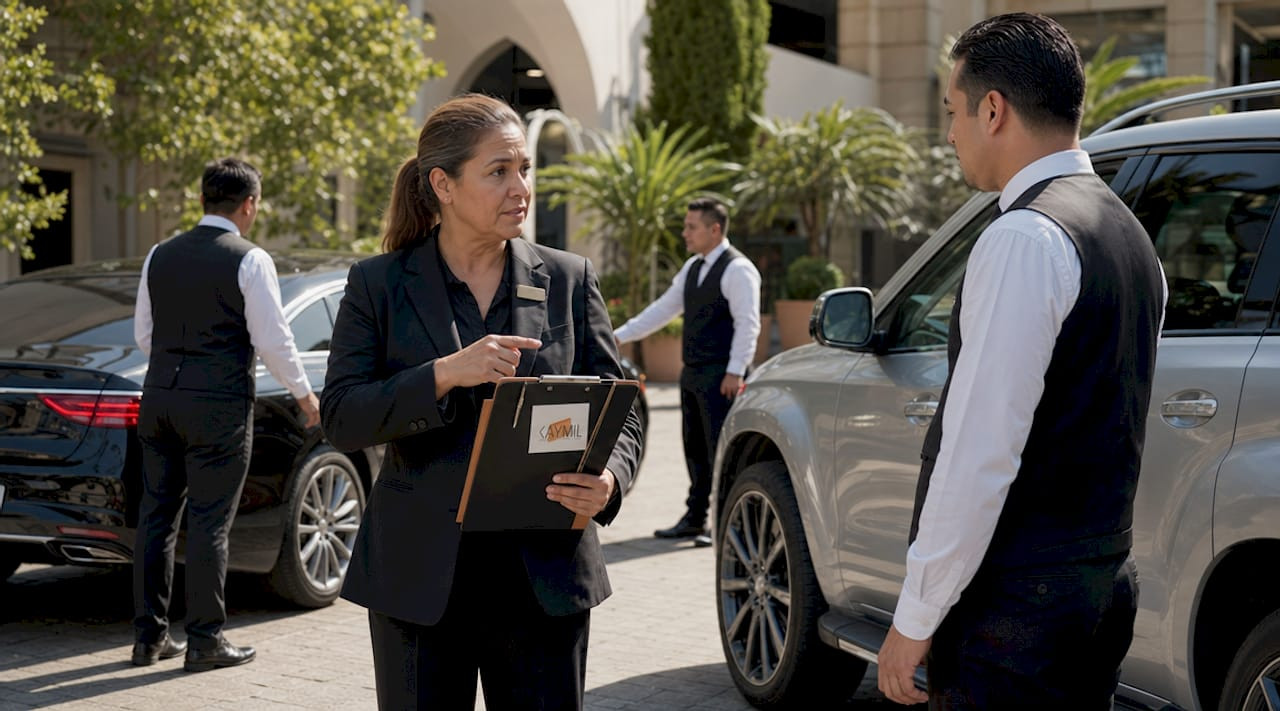
Custom Valet Solutions for Hospitality and Event Venues
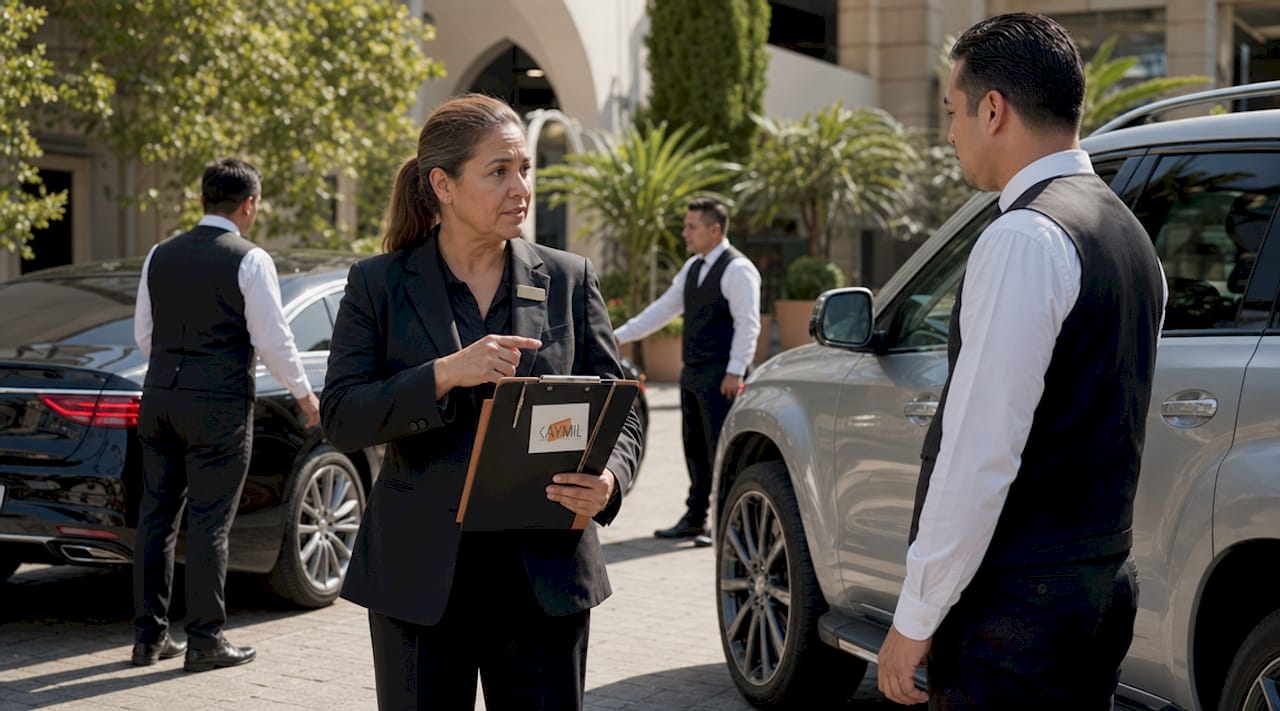
Custom valet is a specialized parking management service that uses bespoke ticketing, validation staffing, and signage systems to optimize vehicle handling and elevate guest satisfaction at hotels, event venues, and commercial properties. Unlike standard parking operations, a personalized valet service is built around the specific layout, guest volume, and brand standards of each venue. Platforms like POSZEO and digital valet management systems have made it possible to combine physical credential management with real-time tracking, QR code issuance, and fraud controls. The result is a customized parking solution that reduces disputes, accelerates throughput, and reinforces the quality guests expect from a luxury valet experience.
What are the core components of a custom valet system?
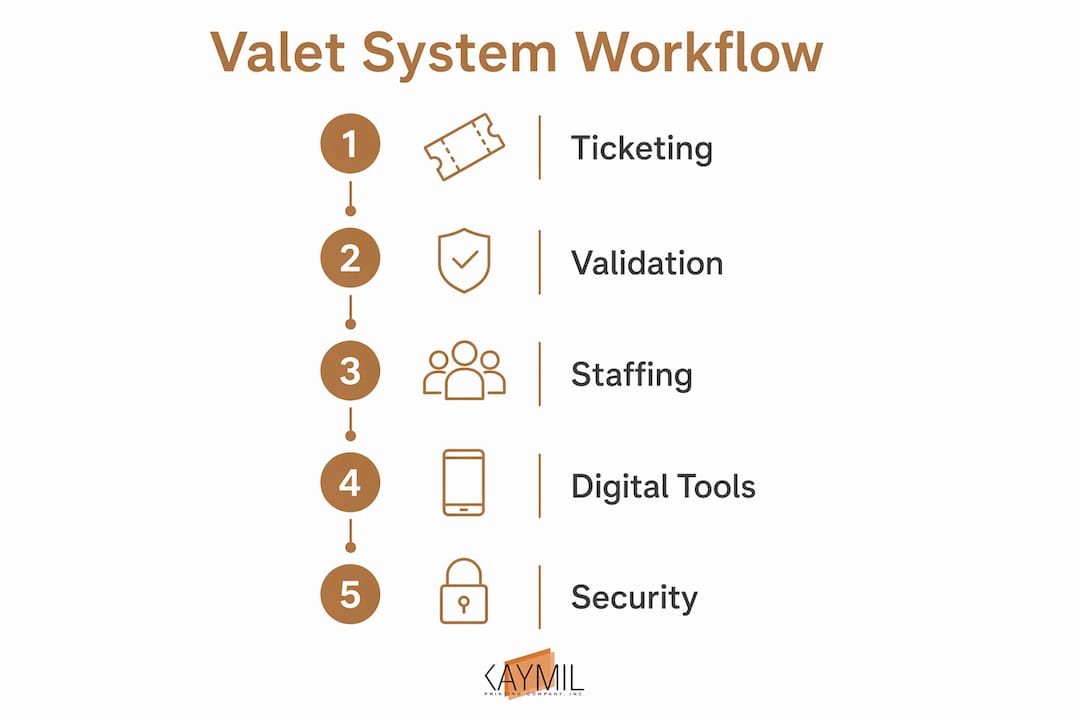
A custom valet system is built on five interconnected elements: ticketing credentials, validation workflows, staffing structure, signage, and evidence management. Each element must be designed together. A beautifully printed ticket means little if the validation rules attached to it are vague or inconsistently enforced.
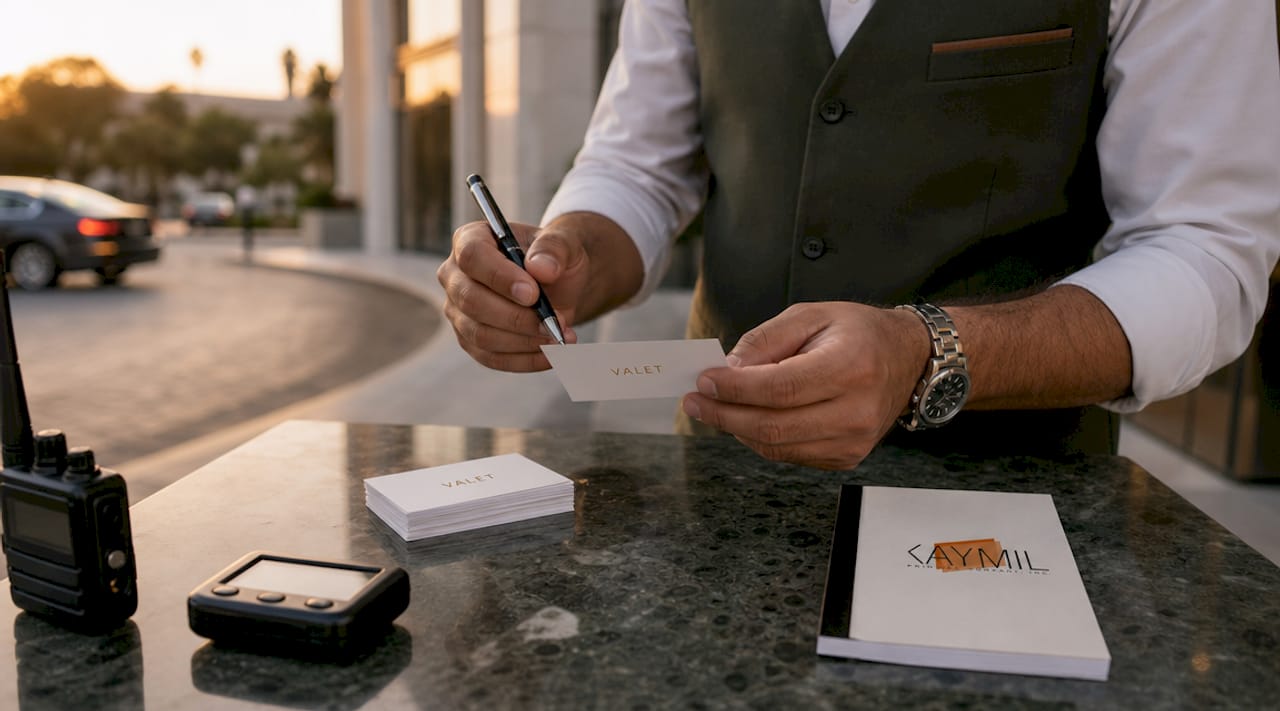
Valet ticket validation follows a five-step credential lifecycle: capture the credential, interpret its data, evaluate it against defined rules, produce an accept or deny outcome, and log the result. This structure applies whether you are running a two-part paper ticket or a fully digital QR code system. Skipping the logging step is the most common operational mistake venues make, and it creates audit gaps that invite revenue leakage.
Ticketing format comparison
The format of your valet ticket directly affects how efficiently attendants work and how well your records hold up during disputes.
| Ticket type | Best use case | Key advantage |
|---|---|---|
| 2-part carbonless | Low-to-mid volume hotels | Simple guest and operator copy split |
| 3-part carbonless | Restaurants and event venues | Adds a key tag or cashier copy |
| 4-part carbonless | High-accountability operations | Full multi-party validation trail |
| Barcode-enabled | Digital-first operations | Scan-based retrieval and audit logs |
| Machine-issued | High-volume garages and hotels | Automated issuance with sequential numbering |
Staffing structure is equally foundational. Attendant-to-vehicle ratios, role specializations, and handoff protocols all need to be defined before the first car arrives. Custom signage completes the picture. Valet rate signs typically use 24"x36" Coroplast panels with outdoor vinyl print, available in single-sided, double-sided, and A-frame configurations. Clear, well-placed signage reduces guest confusion at drop-off and sets rate expectations before the transaction begins.
Pro Tip: When designing your ticketing format, include sequential numbering and a unique session identifier on every ticket. This single decision makes auditing, fraud detection, and dispute resolution significantly faster.
How do digital tools enhance custom valet operations?
Digital tools transform a custom valet operation from a paper-based workflow into a real-time management system. The core functions that matter most are vehicle location tracking, damage documentation, SMS-based retrieval, and validation code control.
Best practice in 2026 calls for issuing digital tickets with QR codes, license plate capture, and condition photos at the moment of vehicle intake. The QR code or unique number is sent by SMS to the guest, eliminating the physical ticket as the sole retrieval credential. This matters because lost tickets are one of the most common sources of valet disputes, and a digital backup resolves them instantly.
Here is how a complete digital valet workflow runs from arrival to retrieval:
- Guest arrives at the drop-off lane. The attendant captures the license plate and photographs the vehicle from multiple angles with timestamps.
- A unique session-linked ticket number is generated and sent to the guest by SMS or printed on a barcode ticket.
- The vehicle is driven to the staging area. Its location is logged in the valet management platform.
- The guest requests retrieval by texting back the code or presenting the ticket at the desk.
- The attendant retrieves the vehicle, and the system logs the retrieval time, attendant ID, and any exit condition notes.
- The transaction closes with a digital receipt, and the session record is archived for audit purposes.
Timestamped vehicle photos reduce damage claim disputes and improve guest trust. This is not a minor operational detail. Damage disputes are among the most costly and time-consuming issues valet operators face, and photographic evidence resolves the majority of them before they escalate.
Pro Tip: Integrate your digital valet platform with the hotel property management system so that guest check-in automatically triggers a valet session record. This eliminates manual data entry and creates a clean audit trail tied to the guest folio.
What operational strategies ensure smooth custom valet at events?
Event valet operations fail most often not because of bad ticketing, but because of poor traffic flow planning and understaffing during peak arrival windows. The operational design of your drop-off zone, staging area, and retrieval lane has more impact on guest experience than any single technology choice.
Staffing benchmarks for event valet call for one attendant per 15 vehicles during peak arrival, dropping to one per 30 during steady-state periods. Setup should begin 90 minutes before the event opens. These ratios are not suggestions. At a conference-hotel operation, 320 vehicles arrived in 100 minutes, with 280 retrievals spread over three hours. Without surge staffing and pre-planned staging sequences, that volume creates gridlock that no ticketing system can fix.
Specialized roles make a measurable difference at events with more than 150 vehicles:
- Traffic director: Manages lane flow at the entry point and prevents drop-off bottlenecks before they form.
- VIP attendant: Dedicated to pre-registered guests with priority staging and guaranteed front-of-queue retrieval.
- Departure coordinator: Monitors retrieval requests and sequences vehicle pulls to match the pace of guest exits.
- ADA lane monitor: Keeps accessible drop-off and retrieval lanes clear and properly staffed at all times.
Meeting guests within 30 seconds of arrival is the staffing target for smooth valet service, with a maximum visible wait of 2 to 3 minutes for vehicle retrieval. These benchmarks require pre-positioned attendants, not attendants responding after a guest has already stopped and waited.
Pro Tip: For events with ride-share traffic, designate a separate staging lane at least 50 feet from the valet drop-off zone. Mixing ride-share and valet traffic is the single fastest way to create a drop-off bottleneck that affects every guest.
For large-scale event logistics, smart traffic planning at the venue approach level is just as important as what happens in the drop-off lane itself.
How can businesses secure their custom valet credentials and prevent fraud?
Valet credential fraud takes two primary forms: shared validation codes that circulate beyond their intended use, and reused ticket numbers that allow unauthorized vehicle retrievals. Both are preventable with the right combination of ticket design and system controls.
Parking validation fraud is reduced most effectively by unique, single-use codes with expiration timestamps and usage caps. Session-linked codes that expire after one scan eliminate the circulation problem entirely. Manual processes, such as staff checking a printed list of valid codes, cannot match the speed or accuracy of automated code validation with audit logging.
| Fraud risk | Mitigation method |
|---|---|
| Shared validation codes | Single-use, session-linked codes with expiration |
| Reused ticket numbers | Sequential numbering with system-enforced uniqueness checks |
| Unauthorized issuance | Issuer authority caps and role-based access controls |
| Undetected anomalies | Automated audit alerts for unusual issuance patterns |
| Dispute without evidence | Timestamped photos and digital transaction logs |
Policy and technology controls work together. Technology enforces unique code use and generates audit trails. Policy defines who can issue credentials, at what volume, and under what conditions. Venues that rely on technology alone without clear issuance policies still face fraud from internal misuse. Venues that rely on policy alone without technical enforcement create gaps that are easy to exploit.
Reviewing your parking ticket security practices alongside your credential design is the most direct way to close revenue leakage in a valet operation.
What are the best practices for branding through custom valet touchpoints?
Every physical and digital touchpoint in a valet operation communicates something about the venue’s standards. The ticket the guest holds, the tray at the front desk, and the signage at the drop-off lane all carry brand weight.
Custom valet trays measure 9.5"x9.5" with a 4.5"x4.5" engravable logo area, providing a durable, non-fading surface for front desk branding. Individual name engraving options allow properties to personalize trays for specific staff or stations. This level of detail signals quality to guests before a single word is spoken.
For guest-facing credentials, the ticket design itself reinforces perceived value. Consider these elements when specifying a custom ticket order:
- Logo placement: Full-color logo printing on the guest copy creates immediate brand recognition.
- Color coding: Assign distinct colors to VIP, standard, and event parking to speed up attendant sorting.
- Security features: Micro-text, sequential numbering, and void patterns deter duplication.
- Font and layout: Clean, legible typography on the guest copy reflects the same attention to detail guests expect from the service itself.
Signage consistency matters as much as ticket design. Rate signs, directional markers, and drop-off lane indicators should share the same color palette, font family, and finish as the venue’s broader brand standards. A mismatch between a polished hotel lobby and a generic plastic parking sign is a detail guests notice, even if they cannot articulate why.
Pro Tip: Order your valet tickets, key tags, and signage from a single supplier whenever possible. Consistent print quality, color matching, and material standards across all touchpoints are far easier to maintain when one vendor controls the production.
Key takeaways
A well-designed custom valet system combines secure credential management, digital evidence workflows, precise staffing ratios, and consistent branding to deliver measurable improvements in operational efficiency and guest satisfaction.
| Point | Details |
|---|---|
| Credential lifecycle | Design tickets around a five-step validate-and-log workflow to close audit gaps. |
| Digital evidence | Timestamped photos and QR-linked records resolve disputes faster than any manual process. |
| Staffing ratios | Use 1 attendant per 15 vehicles at peak and begin setup 90 minutes before event open. |
| Fraud prevention | Session-linked, single-use codes with issuance caps are the most reliable anti-fraud control. |
| Brand consistency | Align ticket design, signage, and valet trays to venue brand standards for a cohesive guest experience. |
What I have learned from building custom valet programs that actually work
After working with parking operators, hotel groups, and event venues across the country, the pattern I see most often is this: venues invest in the visible parts of a valet program and underinvest in the operational infrastructure behind it. They order beautiful tickets and professional signage, then run the operation on informal staffing arrangements and no audit trail. The result is a guest experience that looks polished at the surface and falls apart under pressure.
The venues that run the best valet programs treat the credential as an operational document, not just a guest keepsake. They know exactly how many tickets were issued, by whom, at what time, and whether each one was redeemed. That level of accountability does not require expensive software. It requires disciplined ticket design, sequential numbering, and a logging habit that becomes part of the attendant workflow.
The other thing I would push back on is the assumption that digital tools replace the need for well-trained staff. They do not. A digital valet platform with poor attendant-to-vehicle ratios still produces long waits and frustrated guests. Technology handles evidence and validation. People handle the guest. Both have to work.
The venues that get this right are the ones that integrate hotel parking and valet into a single operational plan rather than treating them as separate departments. That integration is where the real efficiency gains live.
— Richard
Upgrade your valet operation with custom-printed tickets from Caymil
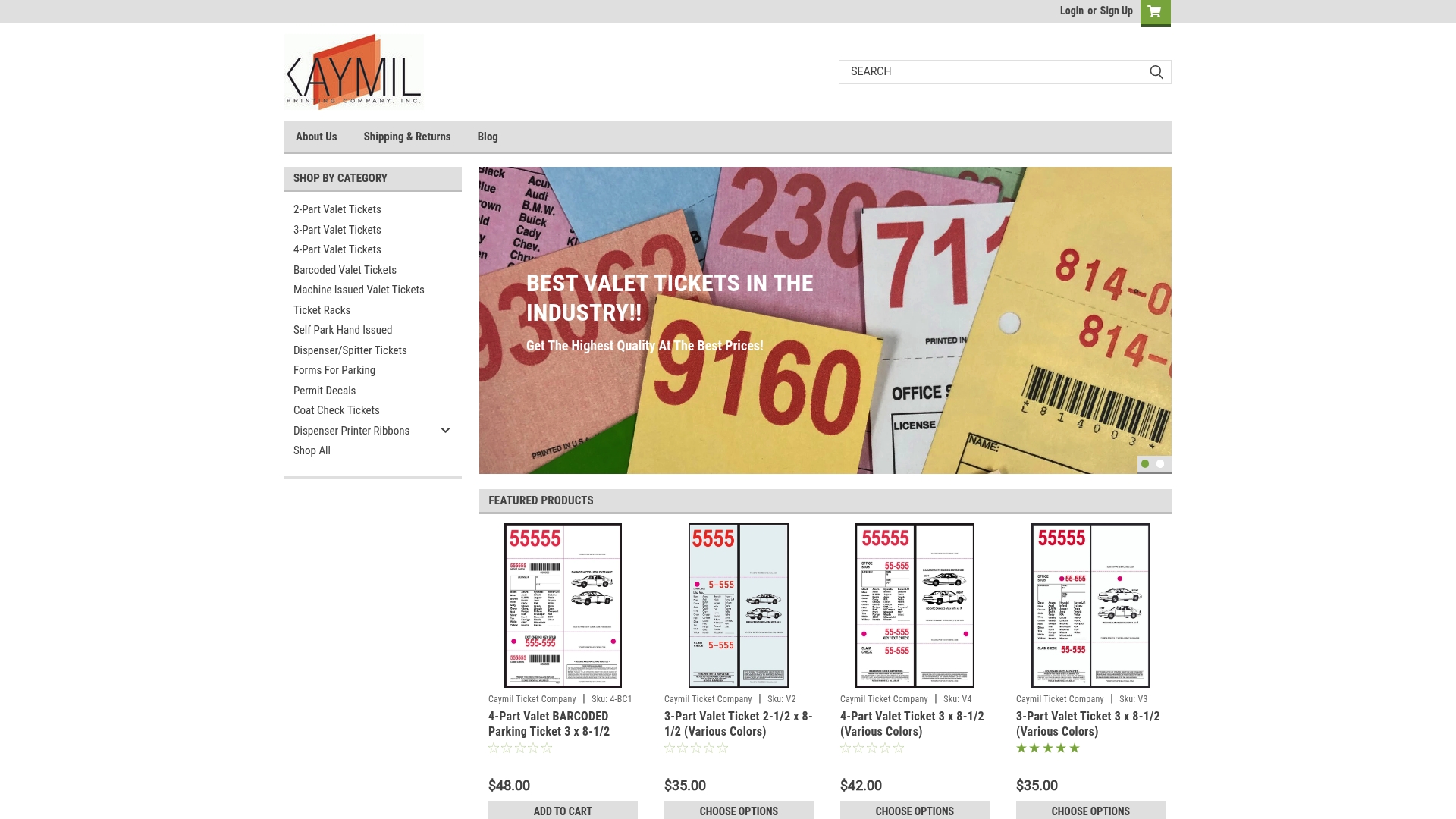
Caymil has manufactured custom valet ticketing solutions since 1937, and the product range covers every format a modern operation requires. From 2-part and 3-part carbonless tickets to barcode-enabled valet tickets and machine-issued roll formats, every product is available with sequential numbering, logo printing, custom colors, and security features. Caymil also supplies a full range of parking and valet forms for operators who need multi-part records, validation copies, or event-specific credential sets. With millions of tickets in stock and fast nationwide shipping, Caymil is the supplier parking operators, hotels, casinos, and event venues rely on when credential quality and delivery speed both matter. Contact Caymil to discuss a custom order tailored to your venue’s specific workflow and brand requirements.
FAQ
What is a custom valet system?
A custom valet system is a parking management solution built around a specific venue’s layout, guest volume, and brand standards, combining bespoke ticketing, staffing protocols, and validation workflows. It differs from standard valet in that every component, from ticket format to signage, is specified for the operation rather than sourced off the shelf.
What ticket format works best for hotel valet operations?
Barcode-enabled or machine-issued tickets work best for high-volume hotel valet because they support scan-based retrieval, sequential audit trails, and integration with property management systems. Lower-volume properties often find 2-part or 3-part carbonless tickets sufficient for clean record-keeping without digital infrastructure.
How do you prevent fraud in a valet validation program?
Single-use, session-linked codes with expiration timestamps and issuance caps are the most effective fraud control. Automated audit alerts for unusual issuance patterns catch anomalies that manual review would miss.
How many valet attendants does an event require?
Event valet staffing calls for one attendant per 15 vehicles during peak arrival and one per 30 during steady-state periods, with setup beginning 90 minutes before the event opens. Specialized roles such as traffic directors and departure coordinators are recommended for events exceeding 150 vehicles.
Can valet tickets be customized with a venue logo and security features?
Yes. Caymil produces valet tickets with full-color logo printing, custom color coding, sequential numbering, micro-text, and void security patterns across all multi-part formats. These options are available on both stock and fully custom orders with fast nationwide delivery.