
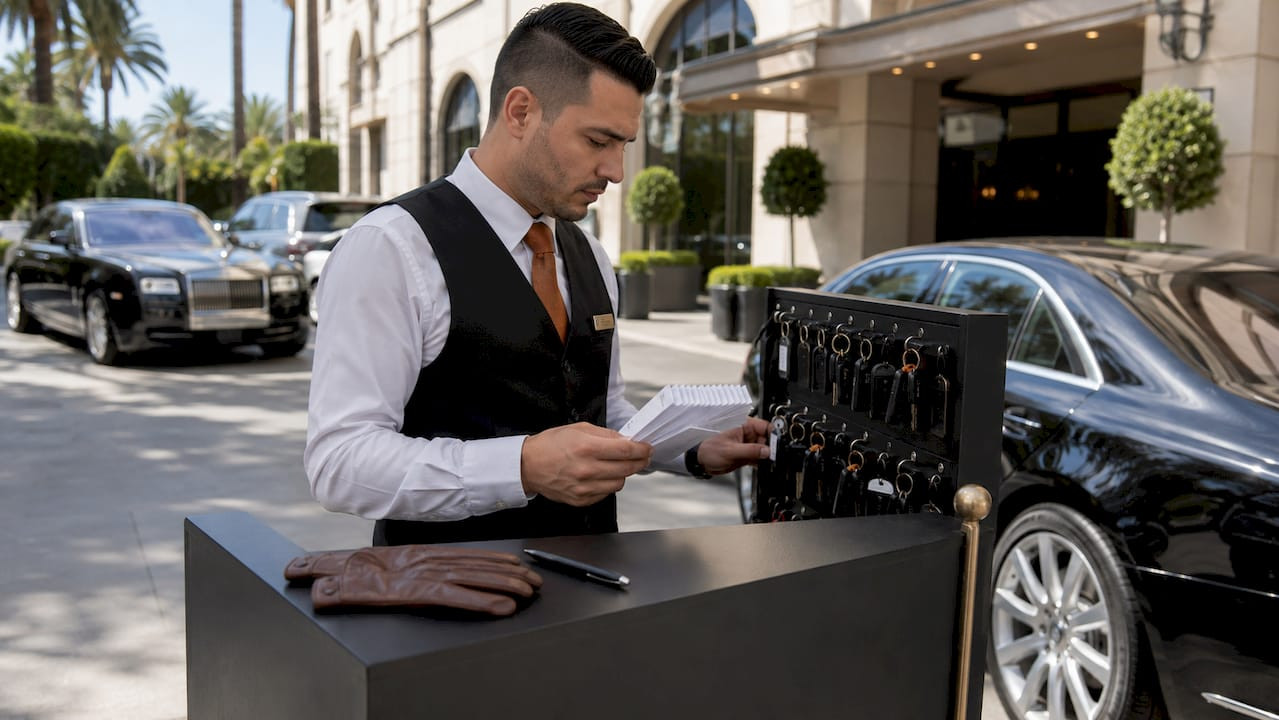
The Role of Valet Ticket Numbering in Parking Operations
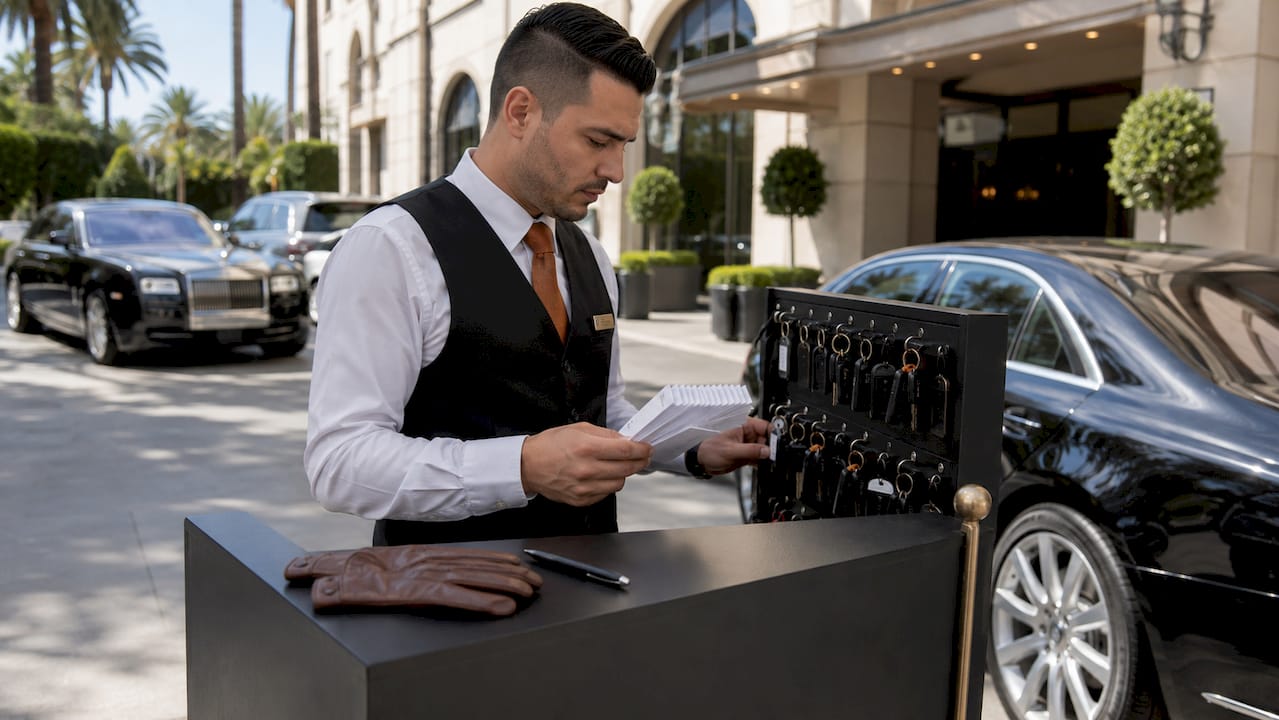
Valet ticket numbering is defined as a sequential identification system printed on multi-part claim tickets that physically and logically links each vehicle to a unique number, a matching key tag, and an assigned parking space. The role of valet ticket numbering goes far beyond a simple label. It is the operational backbone of any valet parking system, giving managers real-time accountability over every vehicle in their care. Without a reliable numbering system, retrieval errors multiply, liability exposure grows, and guest satisfaction drops. Caymil has manufactured sequential valet tickets since 1937, and the core principle has not changed: a unique number on every ticket is the single most effective control point in valet operations.
How does valet ticket numbering improve operational efficiency?
Sequential ticket numbering directly reduces vehicle retrieval times. Paper-based valet operations typically face retrieval times of 9–12 minutes. Digital systems using unique ticket IDs cut that time to 4–6 minutes. That difference matters at a hotel entrance during peak checkout or at a restaurant on a Friday night.
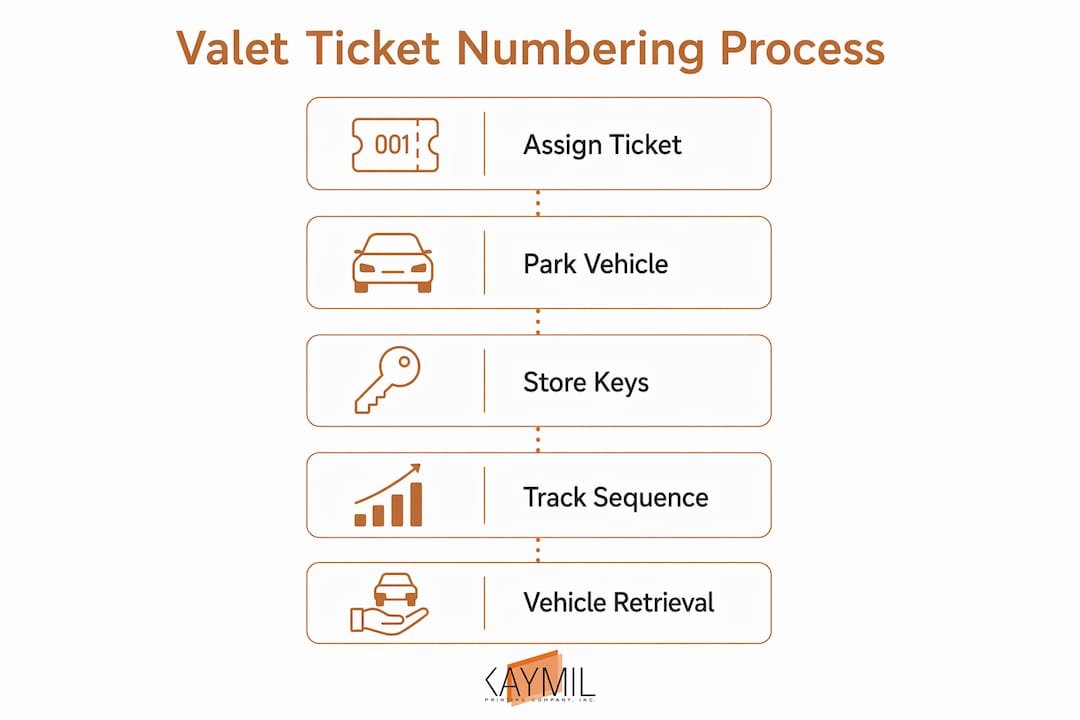
The efficiency gain comes from how numbering coordinates the entire workflow. When an attendant parks a vehicle, the ticket number ties together three physical objects: the claim stub given to the guest, the key tag hung in the key box, and the parking space marker. Any attendant on shift can retrieve a vehicle without needing to ask a colleague where it is parked.

Numbered tickets also reduce manual errors at the point of issuance. When tickets are pre-printed with sequential numbers, attendants do not write numbers by hand, which eliminates transcription mistakes. Lost ticket incidents drop from 2–5% in paper operations to under 0.5% with digital ticketing and unique identifiers. That reduction alone saves significant administrative time per shift.
Here is what that looks like in practice:
- Issuance: Attendant tears a numbered multi-part ticket, hands stub to guest, attaches matching stub to key ring.
- Storage: Keys hang in a numbered slot or board that mirrors the ticket sequence.
- Retrieval: Guest presents stub, attendant matches number, pulls key from the correct slot, and retrieves the vehicle.
- Reconciliation: Supervisor counts issued stubs against returned stubs at shift end to verify no vehicles are unaccounted for.
Pro Tip: Number your key board slots to match your ticket sequence exactly. When the board and the ticket run the same numbers, any attendant can retrieve a vehicle in under 60 seconds without supervisor assistance.
Serialized ticketing transforms valet operations from a black box into a measurable system. Managers can track how many vehicles moved per hour, identify which attendants are slowest at retrieval, and spot bottlenecks before they create guest complaints.
How does ticket numbering enhance security and reduce liability?
Security in valet operations depends on one principle: every vehicle must be traceable at every moment. The triad system, matching ticket number, key tag, and parking space, is the mechanism that makes traceability possible. Numbered claim tickets must be physically and logically mapped to key tags and parking spaces to minimize vehicle mix-ups and guest dissatisfaction.
Damage disputes are the most expensive liability event in valet operations. A guest claims a scratch appeared during the valet stay. Without documentation tied to a ticket number, the operator has no defense. With photo documentation linked to a specific ticket number at check-in and check-out, the timeline is clear. Structured ticketing combined with photo documentation improves labor efficiency by 10–20% and reduces disputed claims, with a return on investment typically seen within 6–12 months.
The numbered ticket also creates a chain of custody for keys. When a key tag carries the same number as the claim stub, any unauthorized key movement is immediately visible. Supervisors can audit the key board against the active ticket log at any point during a shift.
Numbered valet tickets are not just a convenience tool. They are a legal and operational record. When a guest disputes damage, the ticket number is the reference point that connects the vehicle condition report, the attendant who parked it, the time of arrival, and the parking space used. Operators who treat ticket numbers as throwaway labels are one disputed claim away from a costly lesson.
The four steps below define a security protocol built around ticket numbering:
- Issue a numbered multi-part ticket at vehicle check-in and photograph the vehicle exterior.
- Attach the matching numbered stub to the key ring and hang it in the corresponding numbered slot.
- Log the ticket number, attendant name, and time in the shift record.
- At vehicle return, verify the guest stub matches the key tag before releasing the vehicle.
This protocol gives managers a documented audit trail for every vehicle, every shift.
Digital vs. paper valet ticket numbering: which approach works best?
The parking industry has moved toward digital ticketing, but paper tickets with sequential numbering remain a necessary part of any reliable valet system. Both formats use unique numbers as their core control mechanism. The difference lies in how those numbers are generated, stored, and retrieved.
| Feature | Digital ticketing | Paper sequential tickets |
|---|---|---|
| Retrieval speed | 4–6 minutes average | 9–12 minutes average |
| Lost ticket rate | Under 0.5% | 2–5% |
| Technology dependency | High | None |
| Guest accessibility | Requires smartphone | Works for all guests |
| Data analytics | Real-time reporting | Manual reconciliation |
| Failure resilience | Low without backup | High |
Digital systems generate unique IDs automatically, send SMS confirmations to guests, and feed data into reporting dashboards. Mobile app adoption for digital ticketing ranges from 40–70% in the first 90 days of deployment. That means 30–60% of guests still need a paper alternative during the adoption period.
Paper tickets carry their own hidden costs. Paper-based operations cost more behind the scenes due to lost tickets, manual handling, and dispute processing. The print cost per ticket is low, but the labor and administrative expenses accumulate quickly across a busy operation.
The most reliable approach is a hybrid system. Operators keep a stock of physical sequential tickets as backup to digital systems, ensuring continuity during technology failures or for guests without smartphones. The paper tickets in a hybrid system should mirror the digital numbering sequence so that records stay consistent across both formats.
Pro Tip: When building a hybrid system, start your paper ticket sequence where your digital system’s daily counter begins. If your app issues IDs starting at 1001 each morning, your paper backup tickets should start at 1001 as well. This keeps your shift reconciliation clean.
The choice between digital and paper is not binary. The question is how to design a numbering system that works regardless of which format a guest or attendant uses on a given day.
How can parking managers implement a valet ticket numbering system?
A well-designed numbering system requires more than ordering the right tickets. It requires staff protocols, physical infrastructure, and a plan for when things go wrong.
Ticket design and issuance standards
The ticket itself sets the foundation. Multi-part carbonless tickets, such as 2-part or 4-part formats, allow one number to appear on every copy simultaneously. Sequential pre-printing eliminates the risk of duplicate numbers. Tickets should include the operation’s name, date fields, and space for the attendant’s initials.
Staff protocols for ticket-key matching
- Issue tickets in strict numerical order. Never skip or reuse a number mid-shift.
- Require attendants to verbally confirm the ticket number when handing the stub to the guest.
- Attach the key tag to the key ring before leaving the check-in area. Never carry keys without a tag.
- Return keys to the numbered board slot immediately after parking the vehicle.
- Flag any ticket number discrepancy to the supervisor before the shift ends.
Using numbering data to monitor performance
Data from numbered tickets enables managers to identify peak demand periods, measure attendant performance, and allocate labor more effectively. A simple end-of-shift count of issued ticket numbers against returned stubs reveals whether any vehicles are still outstanding. Over time, this data shows which hours generate the most volume and where retrieval times slow down.
Preparing for system failures
Every operation needs a backup plan. Hybrid digital-paper systems using sequential numbering avoid operational stalls by ensuring paper tickets mirror the digital system. Keep a minimum of one full shift’s worth of pre-numbered paper tickets on hand at all times. Train every attendant on the paper process, not just the app, so the transition during a technology failure is immediate and orderly.
A parking facility audit using ticket data is one of the most direct ways to identify gaps in your current numbering process before they become operational problems.
Key Takeaways
Sequential valet ticket numbering is the single most effective control mechanism for vehicle tracking, liability protection, and operational efficiency in valet parking.
| Point | Details |
|---|---|
| Numbering reduces retrieval time | Digital systems with unique IDs cut retrieval from 9–12 minutes down to 4–6 minutes. |
| Triad system prevents mix-ups | Matching ticket number, key tag, and parking space eliminates vehicle errors and supports audits. |
| Photo documentation cuts disputes | Linking photos to ticket numbers creates a clear record that resolves damage claims quickly. |
| Hybrid systems are most resilient | Paper backup tickets mirroring digital IDs maintain operations during technology failures. |
| Ticket data drives management decisions | Numbered records reveal peak demand periods, attendant performance gaps, and labor needs. |
Why ticket numbering is still the most underrated tool in valet management
Parking operators spend a lot of time evaluating apps, cameras, and access control systems. The conversation about ticket numbering rarely gets the same attention, and that is a mistake I have seen cost operations real money.
The number on a valet ticket is not administrative overhead. It is the reference point that makes every other system work. A camera catches an incident, but the ticket number tells you which vehicle, which attendant, and which shift. An app tracks a retrieval, but when the app goes down, the paper ticket number is the only thing standing between you and chaos at the valet stand.
What I have observed in well-run operations is that the managers who take numbering seriously treat it like a chain of custody, not a formality. They audit their ticket sequences at the end of every shift. They train new attendants on the paper process before they ever touch the app. They design their key boards to match their ticket sequences exactly.
The future of valet ticketing will include more digital integration, more real-time analytics, and more guest-facing technology. But the underlying logic will always be the same: one unique number, one vehicle, one clear record. Operators who build that discipline into their culture now will adapt to new technology faster, because the discipline transfers directly.
— Richard
Caymil’s valet ticketing solutions for parking operators
Caymil has manufactured professional valet tickets since 1937, and the product line reflects decades of real-world operational feedback.
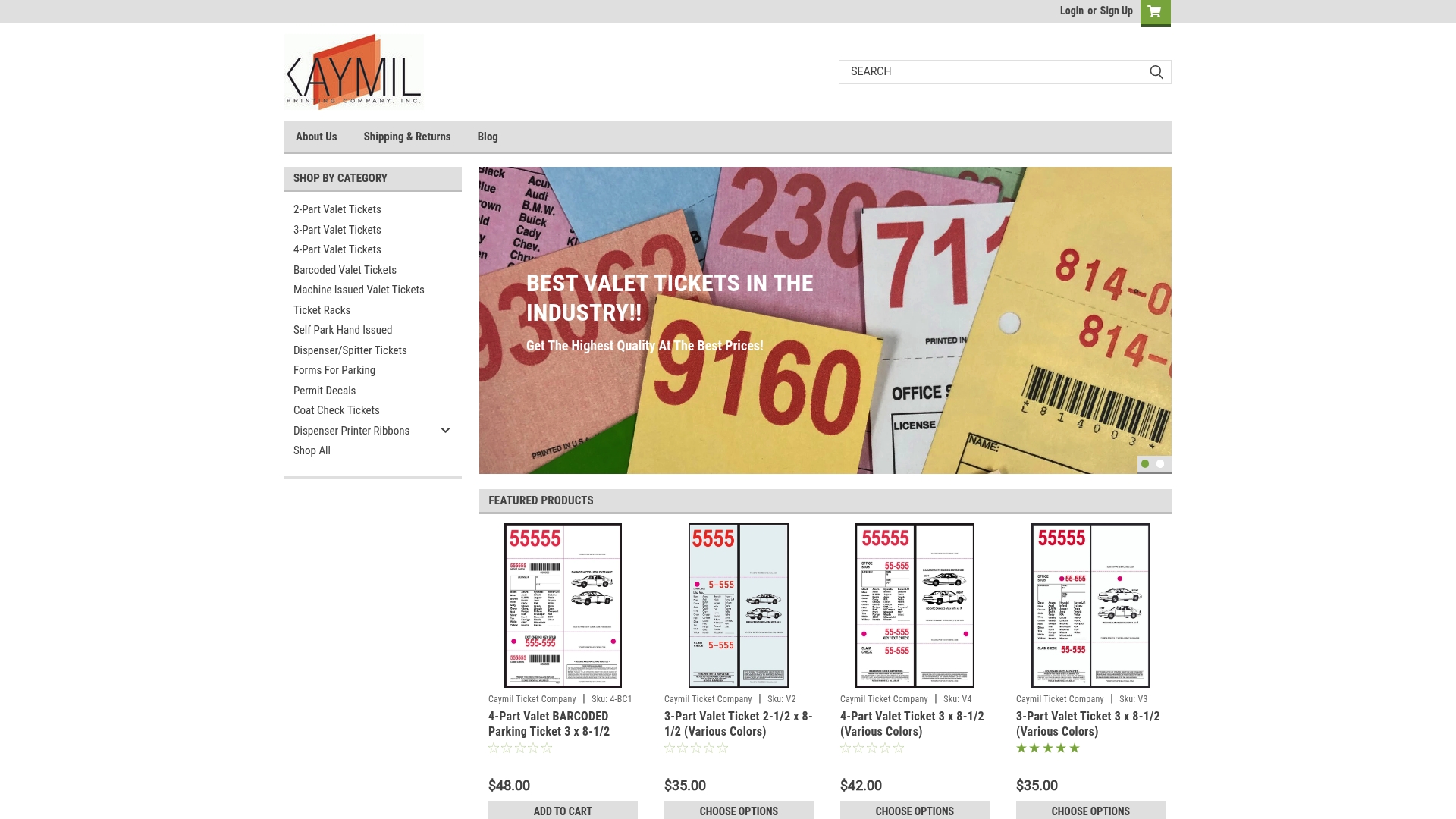
Caymil’s machine-issued valet tickets are built for high-volume operations that need fast, accurate sequential numbering on every ticket. For operations that require multiple copies per transaction, Caymil’s multi-part carbonless formats, including 2-part, 3-part, and 4-part options, give every stakeholder a numbered record without additional printing steps. Caymil also offers barcoded valet parking tickets that combine sequential numbering with scannable codes for operations integrating digital tracking. Custom branding, security features, and color options are available across the full product line. Operators can browse the complete selection of valet parking forms to find the format that fits their operation.
FAQ
What is the role of valet ticket numbering in parking operations?
Valet ticket numbering assigns a unique sequential identifier to each vehicle at check-in, linking the claim stub, key tag, and parking space into a single traceable record. This system prevents vehicle mix-ups, supports damage documentation, and gives managers a complete audit trail for every shift.
How does a numbered valet ticket reduce liability?
A numbered ticket creates a documented chain of custody that connects the vehicle condition report, the attendant, and the parking time to a single reference number. When combined with photo documentation, this record resolves damage disputes quickly and reduces the operator’s liability exposure.
What is the difference between 2-part and 4-part valet tickets?
A 2-part ticket produces one copy for the guest and one for the operation, while a 4-part ticket generates additional copies for the key tag, the parking space record, or a supervisor log. Operations with more complex accountability requirements benefit from the additional copies that 4-part formats provide.
Do digital valet systems still need numbered paper tickets?
Mobile app adoption for digital ticketing reaches 40–70% in the first 90 days, meaning a significant share of guests still need a paper alternative. Hybrid systems that keep sequential paper tickets as a backup maintain full operational continuity during technology failures or for guests without smartphones.
How often should managers audit their valet ticket sequences?
Managers should reconcile issued ticket numbers against returned stubs at the end of every shift. This daily audit reveals any outstanding vehicles, identifies sequence gaps that may indicate lost tickets, and provides the data needed to track attendant performance over time.