
Valet Key Tag System: A Complete Guide for Operators
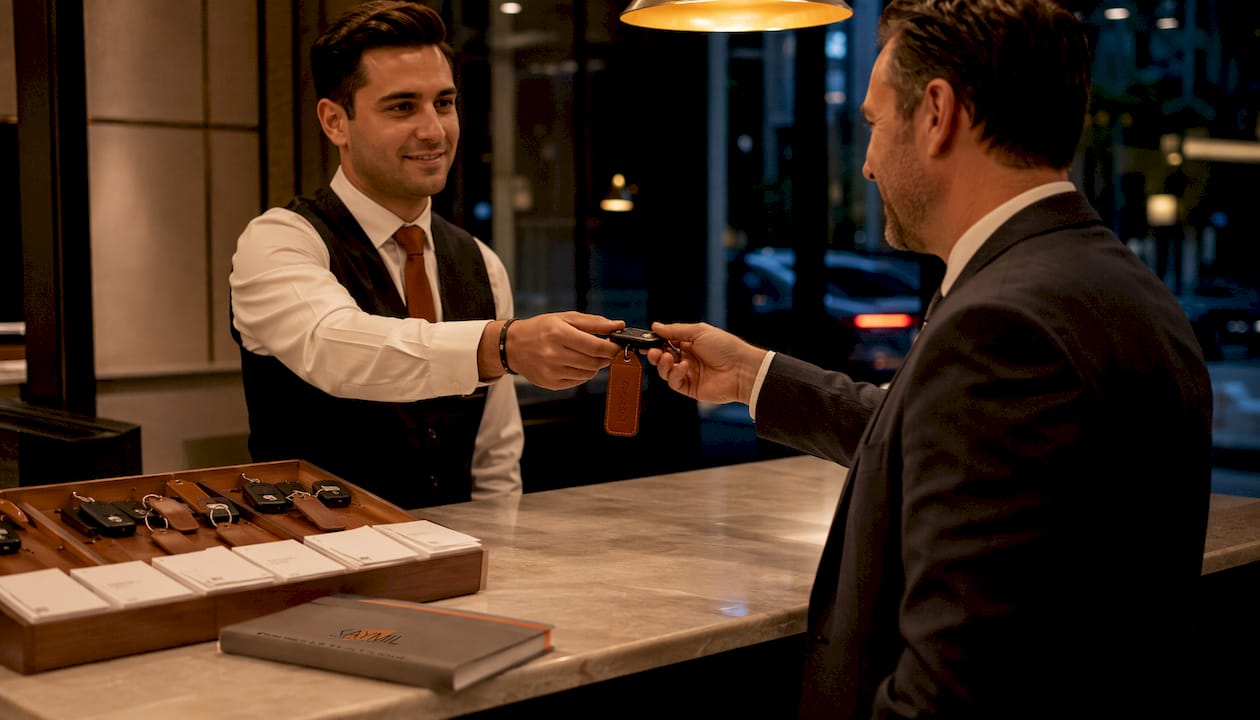
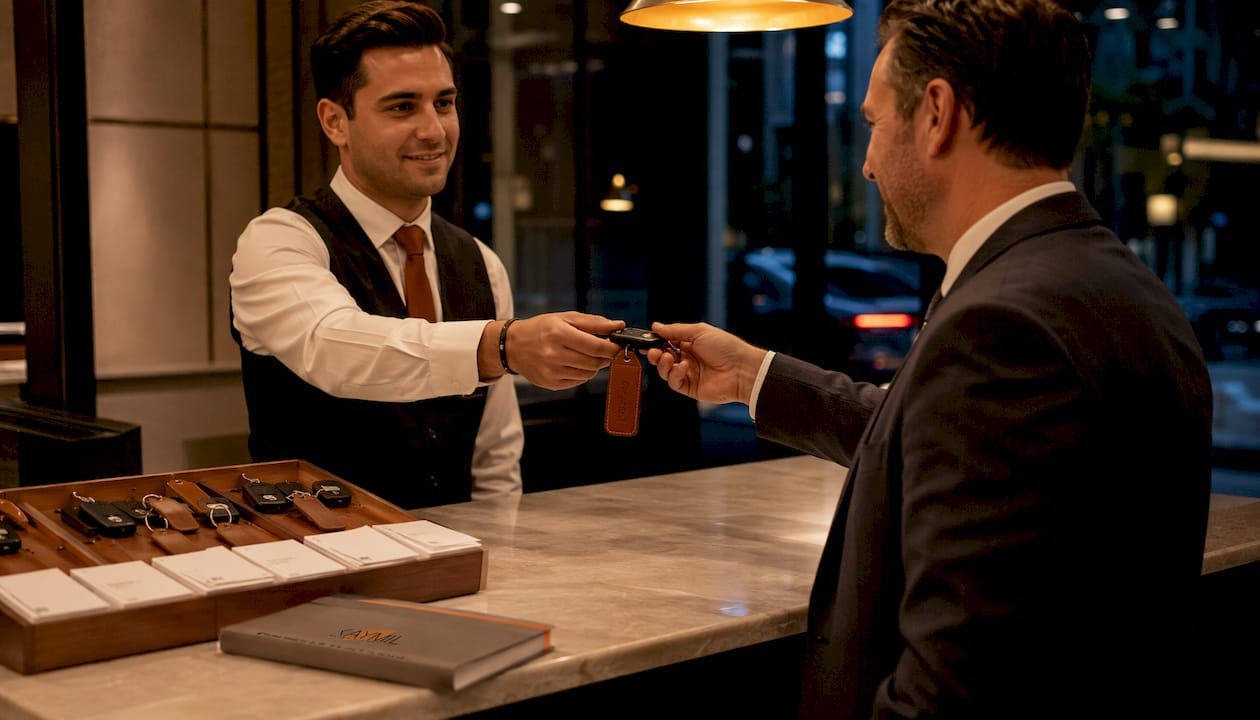
A valet key tag system is the standardized method valet operations use to track, secure, and retrieve vehicle keys without errors or mix-ups. At its core, the system pairs a numbered key tag attached to the customer’s keys with a matching claim ticket handed to the guest, and often a third mirror or dashboard tag placed inside the vehicle. Every component carries the same number, creating a clear chain of custody from the moment a car arrives until the guest drives away.
Here is what a complete valet key tag system typically includes:
- Numbered key tag: Attaches directly to the vehicle’s keys
- Mirror hang tag: Hangs from the rearview mirror for quick visual identification
- Customer claim ticket: Given to the guest as their retrieval receipt
- Dashboard tag (optional): Placed on the dash for added identification in large lots
- Numbered key storage: A pegboard or lockable key box with hooks matching tag numbers
The system prevents lost keys and vehicle mix-ups by making every handoff verifiable. A guest presents their claim ticket, the attendant matches the number to the corresponding hook on the key board, and the correct keys are retrieved in seconds. That matching number is the entire foundation of accountability in professional valet service key management.
What are the physical components of a valet key tag system?
The physical design of a valet key tag system is straightforward, but the details matter for durability and speed. Classic valet key tag sets come in three parts: a mirror hang tag, a key tag with a matching number, and a claim check for the customer. All three carry the same sequential number, so there is never any ambiguity about which key belongs to which car.
Materials vary by operation type. Paper-stock tags work for low-volume events, while plastic or laminated tags hold up better through repeated handling in high-traffic facilities. Some operations use carbonless multi-part tickets, which produce simultaneous copies for the attendant, the key board, and the guest without any reprinting.
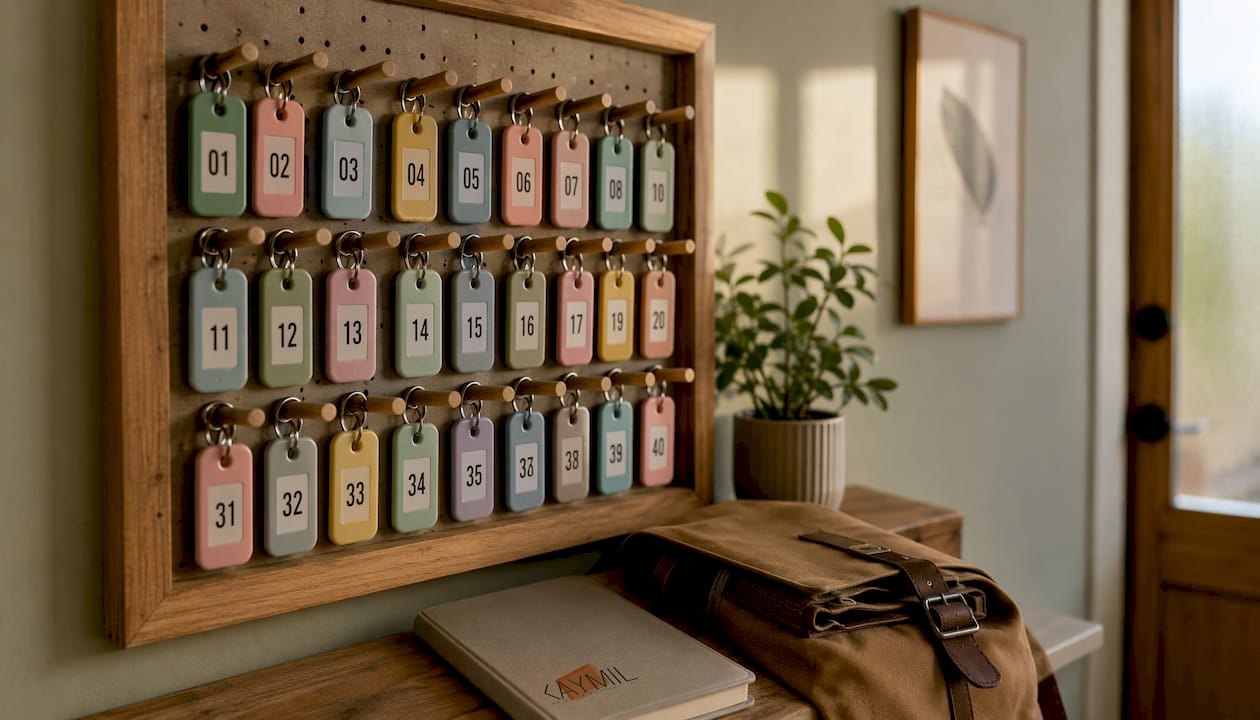
Key storage hardware is equally important. Professional valet operations use numbered pegboards or lockable key boxes where each hook or slot corresponds directly to a tag number. This physical layout is what makes fast retrieval possible.
- Pegboard systems: Open, wall-mounted boards with numbered hooks for quick visual scanning
- Lockable key cabinets: Enclosed storage with individual numbered slots for higher-security environments
- Portable key boxes: Used at event valet setups where a fixed installation is not practical
FastTag and Caymil both supply pre-numbered tag sets designed to integrate with these storage systems. Caymil’s multi-part valet tickets, for example, are available in 3-part and 4-part formats with sequential numbering printed at the factory, eliminating the risk of duplicate numbers in the field.
Pro Tip: Order tags in sets that match your key board capacity exactly. If your pegboard holds 200 hooks, order tags numbered 001–200. Gaps in the sequence create confusion during busy shifts.
How do security protocols and best practices protect your operation?
Key management is the most critical operational element in professional valet parking. A single lost key can damage years of guest trust, while a well-run system builds the kind of reliability guests remember and recommend.
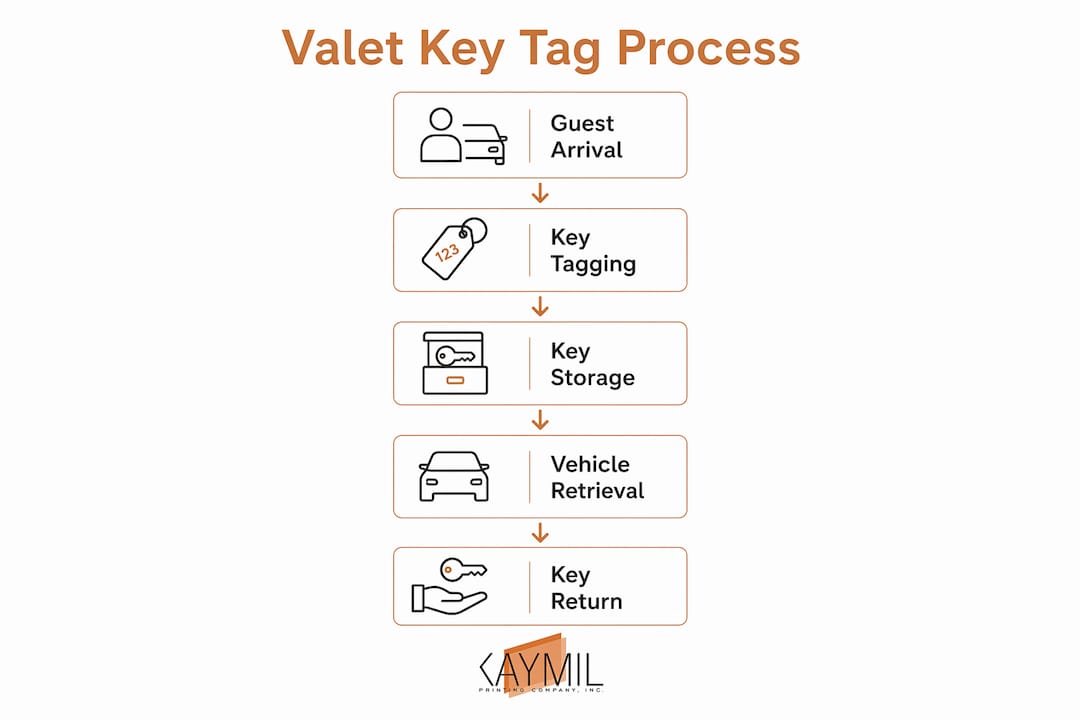
Structured key organization replaces informal handling with defined protocols. Every key interaction follows a set sequence: the attendant tags the key at intake, hangs it on the correct numbered hook, and verifies the tag number against the claim ticket before releasing the vehicle. That verification step at release is the single most effective error-prevention measure in valet operations.
Lockable storage adds another layer of protection. Some facilities use cabinets where only supervisors hold the master key, requiring attendants to request specific keys rather than accessing the full board freely. This creates an audit trail for every transaction.
- Verify tag numbers against claim tickets at every vehicle release
- Use lockable key cabinets or pegboards in a supervised area
- Assign one attendant per intake zone to maintain clear accountability
- Log key handoffs digitally when possible for post-shift auditing
- Conduct supervisor spot-checks during high-volume periods
Visible key board placement also deters theft and reassures guests that their keys are secure. When guests can see an organized, numbered system, their confidence in the operation rises noticeably.
Pro Tip: Align key board hook numbers with your ticket sequence so that ticket 47 always hangs on hook 47. During a stadium event or hotel rush, this eliminates the scanning time that causes bottlenecks.
Privacy considerations apply whenever digital elements enter the workflow. If attendants log license plates, vehicle descriptions, or customer contact information in a tablet-based system, that data should be stored securely and purged according to your facility’s data retention policy.
How does digital technology improve traditional valet key tagging?
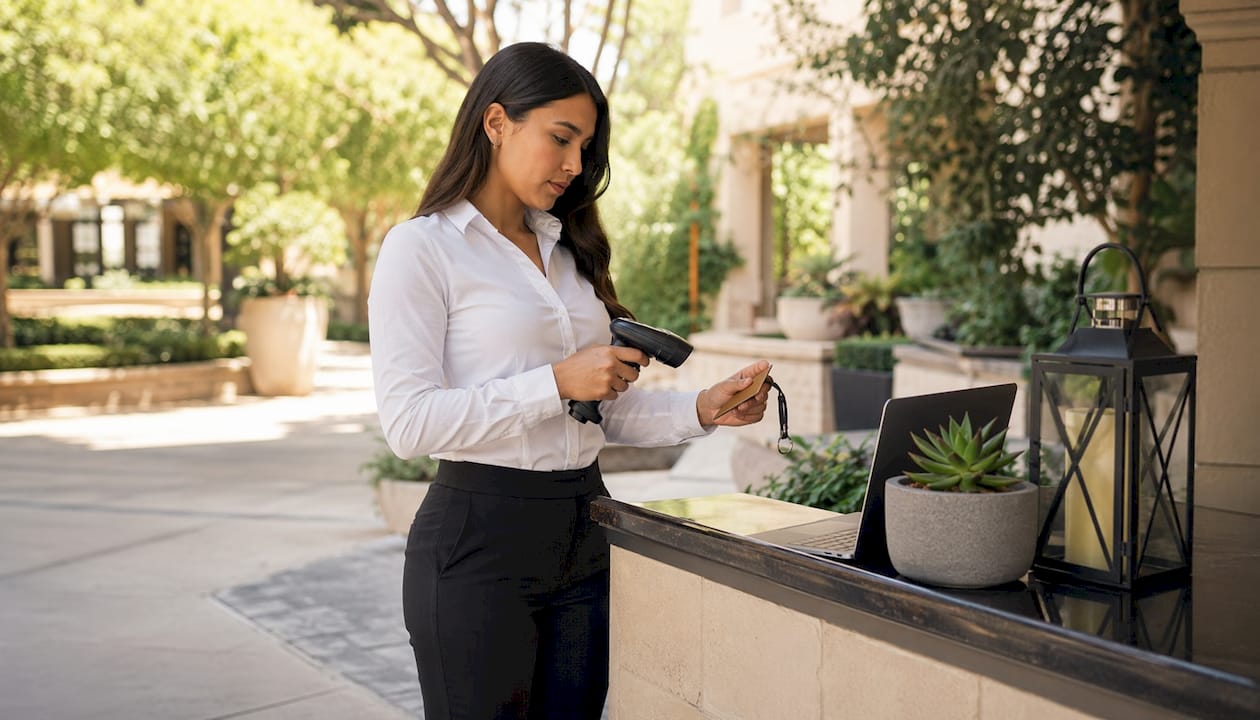
Modern valet services increasingly use barcode or NFC technology to scan key tags at intake, triggering automated SMS receipts to guests and creating a digital record of every transaction. The guest receives a text confirmation instead of a paper ticket, and the tag number links their phone number to the physical key in the system.
Reusable key tags are a practical upgrade for ticketless operations. These tags feature writable, wipeable surfaces so attendants can note the vehicle’s location, make, model, and license plate with a grease pencil, then wipe the tag clean at the end of the shift for reuse. This reduces paper waste and lowers per-transaction supply costs.
| Feature | Traditional Paper Tags | Digital/Reusable Tags |
|---|---|---|
| Guest receipt | Physical claim ticket | Automated SMS or app notification |
| Key tracking | Manual log or pegboard | Digital record with timestamps |
| Tag reuse | Single use | Multiple uses per shift |
| Audit trail | Paper-based | Electronic, searchable |
| Integration | Stand-alone | Connects to parking management software |
Integration with parking management software takes accountability further. Tablet-based systems record which attendant handled each key, when the vehicle was checked in, and when it was retrieved. That data supports post-shift audits, dispute resolution, and performance reviews. Caymil supplies barcode valet parking tickets compatible with major parking platforms, giving operators a physical ticket option that bridges paper-based workflows with digital tracking.
What is a valet key, and how does it relate to key tag systems?
A valet key is a vehicle feature, not an operator tool. It physically or electronically restricts access to private areas of the vehicle, such as the glove box and trunk, while still allowing the attendant to start the engine and unlock the driver’s door. Many newer vehicles replace the physical key entirely with a software-based Valet Mode, activated through the infotainment system with a PIN.
A common guest misconception is that the valet provides this key. Operators should communicate clearly that the valet key is a feature built into the vehicle, and that the guest controls whether it is used. Not every car has one, and not every guest knows to ask.
The valet key tag system manages whichever physical key the guest hands over. Whether that is a master key, a dedicated valet key, or a smart fob, the tag system tracks it the same way. The two systems serve different purposes and work together rather than replacing each other.
Caymil supplies the tickets your valet operation depends on
Valet operations run on reliable supplies, and running out of sequentially numbered tickets mid-shift is not an option. Caymil has manufactured valet parking tickets and key tag supplies since 1937, serving hotels, casinos, hospitals, event venues, and commercial parking operators across the United States.
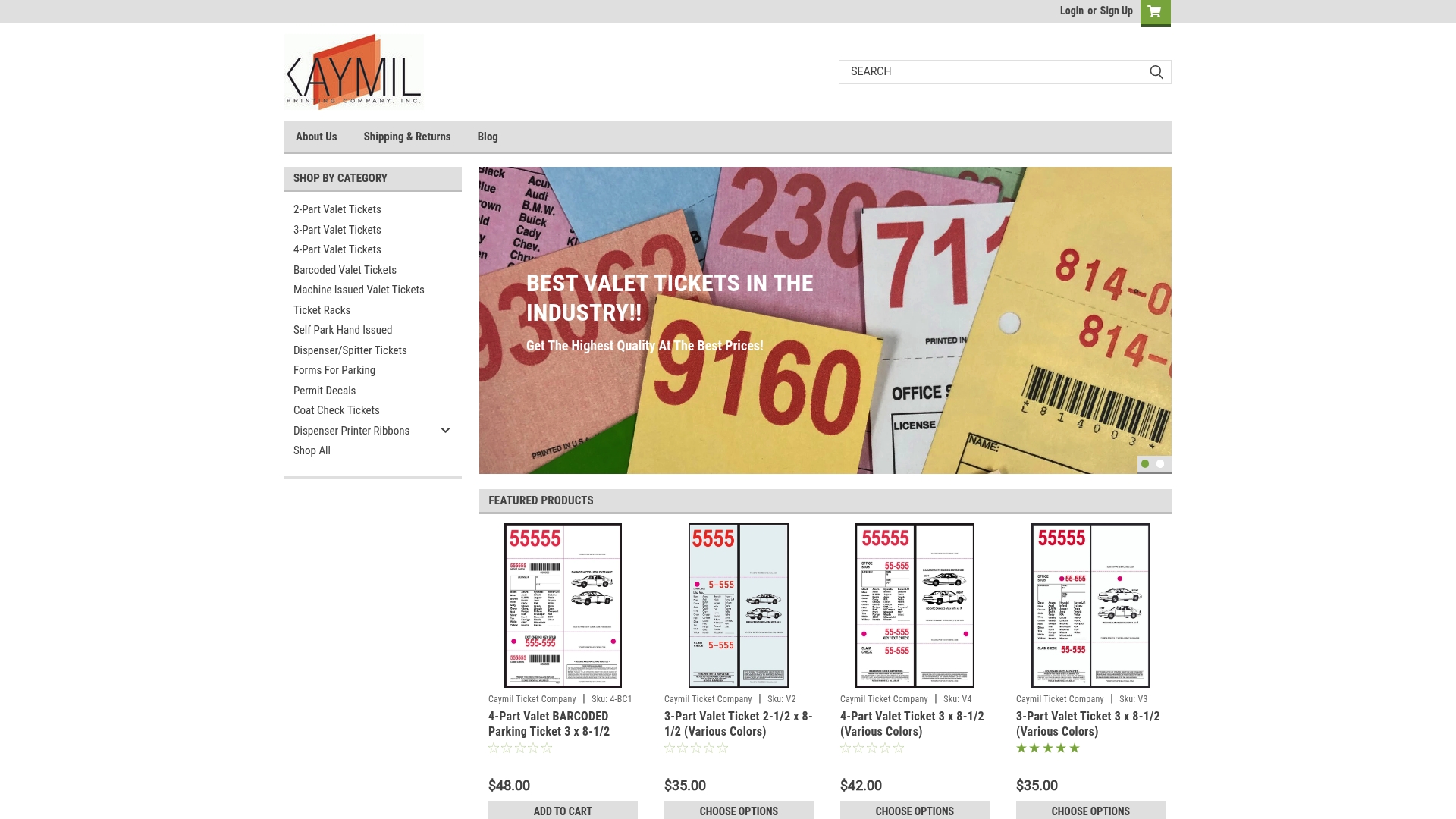
Whether your operation uses traditional multi-part carbonless tickets or machine-issued valet tickets compatible with systems like Amano, TIBA, and SKIDATA, Caymil stocks millions of tickets ready for fast nationwide shipping. Custom options include sequential numbering, barcoding, logos, and security features printed to your exact specifications. Get a quote or browse stock tickets at caymil.com and keep your key management system running without interruption.
FAQ
What is a valet key tag system?
A valet key tag system is a numbered tagging method that pairs a key tag on the customer’s keys with a matching claim ticket and mirror tag, allowing valet attendants to track, store, and retrieve vehicles accurately.
Can you start your car with a valet key?
Yes. A valet key starts the engine and unlocks the driver’s door but restricts access to the glove box and trunk, protecting valuables while allowing the attendant to park the vehicle.
Do valet keys need to be programmed?
Traditional mechanical valet keys use a restricted cut pattern and do not require separate programming, though electronic versions in modern vehicles may be integrated with the car’s immobilizer system.
Does every car have a valet key?
No. Many newer vehicles use a software Valet Mode through the infotainment system instead of a physical key, and some vehicles offer neither option.
Key Takeaways
A valet key tag system pairs numbered key tags, mirror hang tags, and customer claim tickets to create a verifiable chain of custody for every vehicle in a professional valet operation.
| Point | Details |
|---|---|
| Matching numbers are the foundation | Every tag set shares one number across the key tag, mirror tag, and claim ticket to prevent mix-ups. |
| Key board layout drives speed | Aligning hook numbers with ticket sequences cuts retrieval time during high-volume events. |
| Digital systems add accountability | Barcode and NFC scanning create electronic records of every key transaction for auditing. |
| Valet keys are a vehicle feature | A vehicle’s valet key restricts glove box and trunk access; it is separate from the operator’s tag system. |
| Caymil supplies the full range | Caymil offers sequential multi-part tickets, barcode tickets, and machine-issued formats for any valet operation. |