
Premium Valet Ticket Guest Experience: 2026 Guide
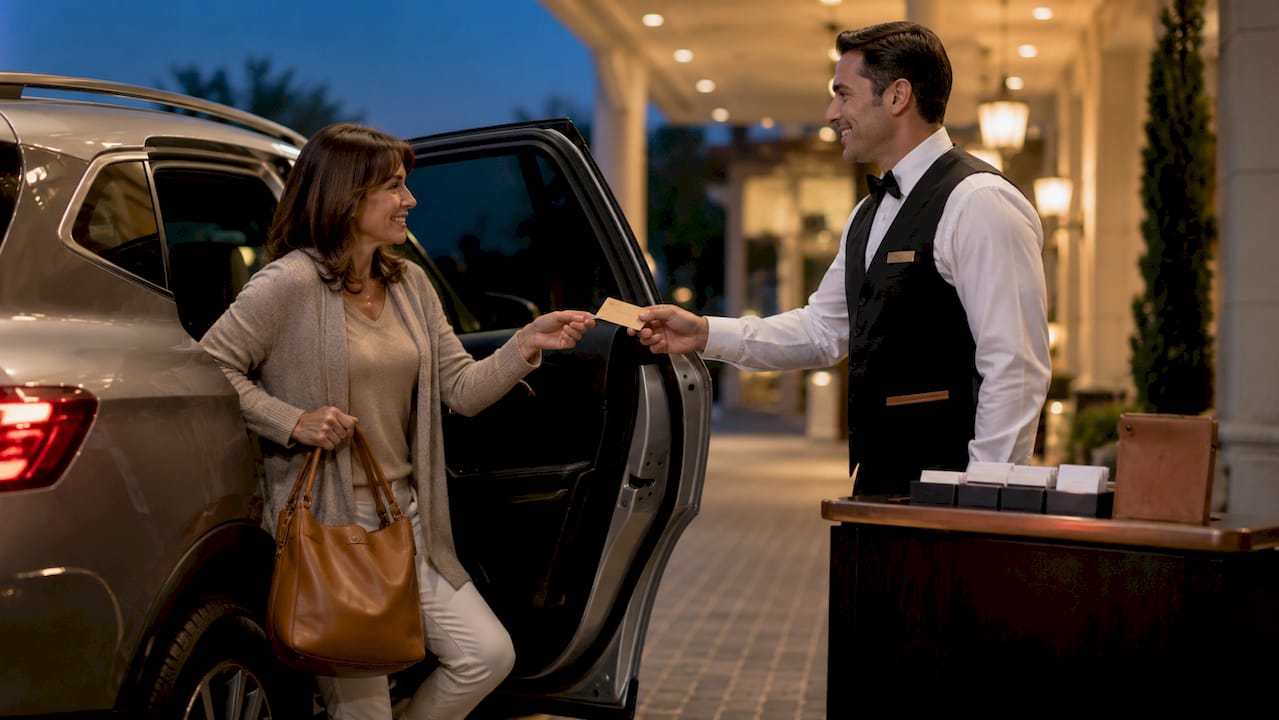
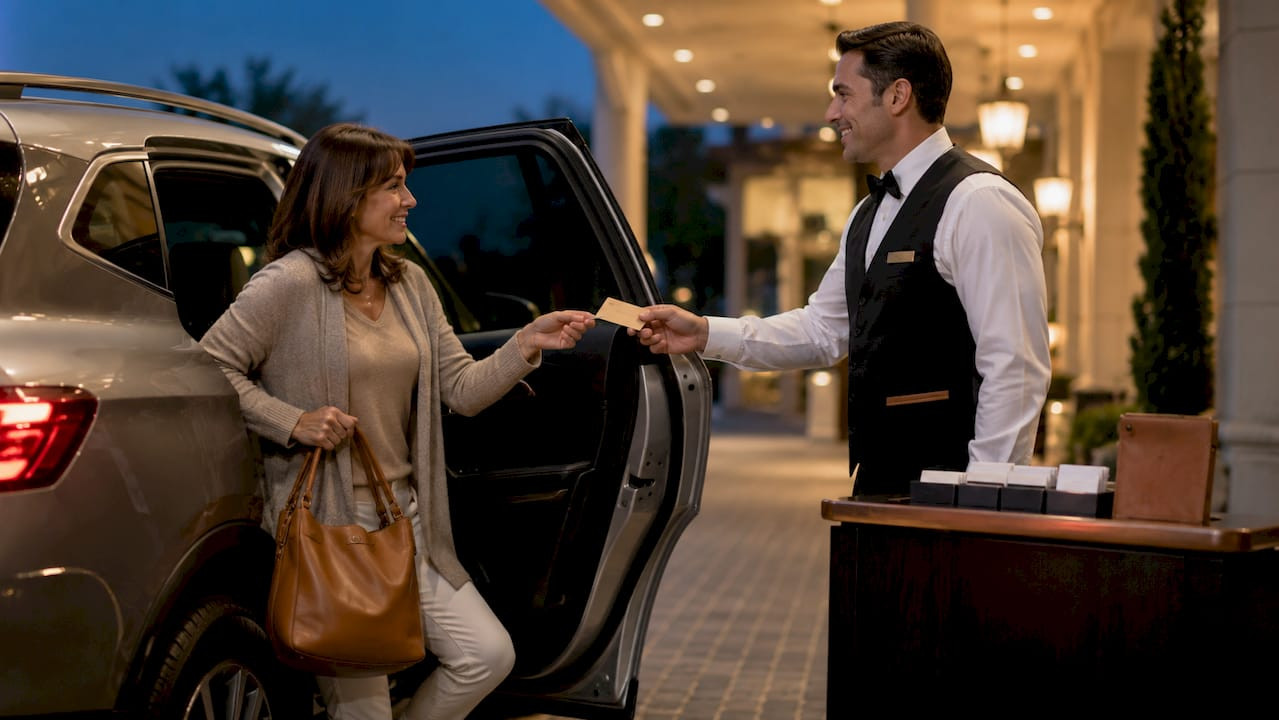
The premium valet ticket guest experience is defined as the complete impression a guest forms from the moment a valet attendant accepts their vehicle to the moment it is returned, with the physical ticket serving as the primary brand touchpoint throughout. Valet tickets are not administrative forms. They are brand extensions that signal quality, communicate expectations, and set the tone for every interaction that follows. Hospitality professionals who treat ticket design as a branding decision, not a supply purchase, consistently deliver stronger guest satisfaction scores. This guide covers the design elements, technology integrations, and operational practices that separate a forgettable parking handoff from a genuinely luxury valet service.
What are the essential design elements of premium valet tickets?
Premium valet ticket design starts with material quality. Ticket stock at 110lb card stock communicates security and durability before a guest reads a single word. That weight difference is subtle, but guests register it subconsciously as a signal that the operation is professional and well-resourced.
Multi-part ticket formats are the industry standard for premium valet operations. The most common configurations are:
- 2-part tickets: One stub stays with the attendant, one goes to the guest. Ideal for lower-volume, high-touch venues like boutique hotels and private clubs.
- 3-part tickets: Adds a third copy for vehicle tracking or cashier reconciliation. Widely used in hotel and resort settings.
- 4-part tickets: Provides maximum documentation, supporting detailed auditing and multi-location tracking. Common in casino and large-event environments.
Each format uses perforated carbonless copies, which allow multi-part tracking without manual duplication. That design choice directly reduces retrieval errors and speeds up vehicle handoff.
Branding elements on the ticket face carry equal weight. A property’s logo, color scheme, and font selection should match its lobby signage and printed collateral. Inconsistency between ticket design and the broader property aesthetic signals a gap in attention to detail that affluent guests notice immediately. Custom branding options for valet tickets include full-color logo printing, custom sequential numbering, and property-specific color backgrounds.
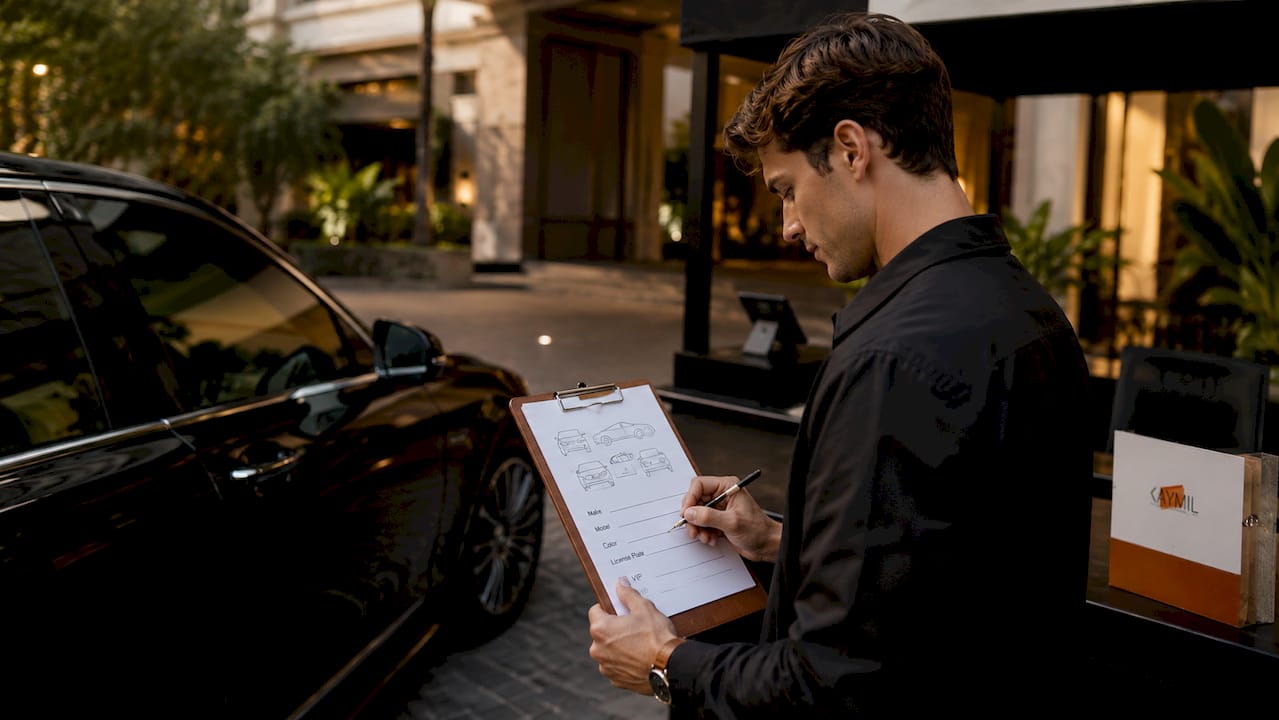
Vehicle information fields and VIP indicators belong on every premium ticket. Fields for make, model, color, license plate, and condition notes give attendants the data they need before a guest reaches the exit. A clearly marked VIP flag on the ticket face allows staff to prioritize retrieval without requiring a verbal handoff.
Pro Tip: Add a dedicated “Special Instructions” line to your ticket design. Guests with luxury or modified vehicles will use it, and your attendants will thank you during peak hours.
Barcodes and QR codes on the ticket connect the physical document to your digital system. A scannable identifier eliminates manual lookup, reduces transcription errors, and makes the ticket useful beyond the parking lot.
How does technology integration improve the valet guest experience?
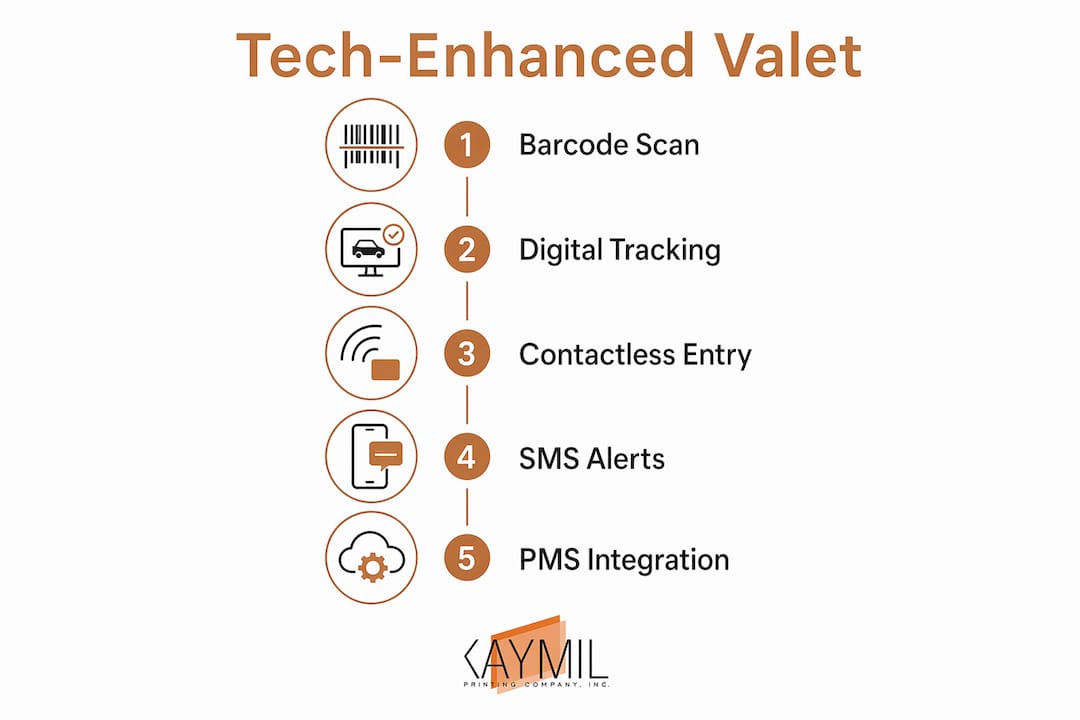
Modern valet operations run on data, and the ticket is where that data originates. PMS integration with platforms like Opera enables guest recognition at the point of ticket issuance, so a returning guest’s preferences are visible before they hand over their keys. That level of personalization is the defining characteristic of luxury hospitality.
Technology integration follows a clear progression for most premium properties:
- Barcode or QR code scanning at intake: The attendant scans the ticket, which creates a digital record linked to the guest’s PMS profile. No manual data entry. No transcription errors.
- Real-time vehicle status tracking: Managers and guests can see exactly where a vehicle is in the retrieval queue. Reduced uncertainty translates directly to reduced perceived wait time.
- Mobile request and SMS notification: Contactless mobile ticketing lets guests request their vehicle from a phone before they reach the valet stand. The car arrives as they walk out.
- AI-driven staffing analytics: Systems that analyze ticket volume by time of day allow managers to staff proactively rather than reactively. Fewer understaffed peaks mean fewer frustrated guests.
- Guest profiling and preference storage: Repeat guests receive personalized greetings, preferred parking locations, and vehicle-specific handling notes without having to ask twice.
Barcode valet tickets are the physical link that makes all of these digital capabilities possible. Without a scannable identifier on the ticket, the data chain breaks at the first step.
The post-pandemic shift toward contactless service accelerated adoption of QR code and SMS ticketing. These formats also support multilingual guests, since a QR code directs to a web interface that can display in any language. That capability matters in casino and resort environments where international guests represent a significant share of revenue.
What operational practices maximize efficiency and guest satisfaction?
Operational excellence in premium valet service depends on how well staff use the information printed on each ticket. A well-designed ticket is only as effective as the team trained to read it.
- Train attendants to act on VIP indicators immediately. VIP priority flags on tickets allow proactive service management. A flagged ticket should trigger a different retrieval protocol, not just a mental note.
- Print pricing and gratuity policies directly on the ticket. Transparent pricing on valet tickets prevents surprise fees, which are among the most common complaints in upscale valet reviews. Guests who know what to expect tip more and complain less.
- Issue tickets within 30 seconds of vehicle arrival. Delay at intake creates anxiety. A ticket in hand signals that the process has started and the vehicle is accounted for.
- Document vehicle condition at intake. Attendants who note existing damage on the ticket protect the property from liability and reassure guests that their vehicle is being treated with care.
- Use ticket data for performance measurement. Retrieval time per ticket, peak issuance windows, and VIP volume are all measurable from ticket records. That data drives staffing decisions and service improvements.
Pro Tip: Run a monthly audit of your ticket stock. Faded print, inconsistent numbering, or worn perforations are early signs that your ticket quality has slipped, and guests will notice before you do.
Upscale valet operations treat every ticket as a service record, not just a claim check. That mindset shift changes how managers train staff and how staff interact with guests.
What mistakes should valet managers avoid in premium ticket systems?
Ticket system failures follow predictable patterns. Recognizing them early prevents the kind of service breakdown that generates negative reviews and lost repeat business.
- Mismatched physical and digital records. A ticket number that does not match the PMS record forces manual lookup, which adds minutes to retrieval time. Synchronizing barcodes with PMS data at the point of issuance eliminates this problem entirely.
- Missing or unclear pricing information. Guests who receive a bill that does not match their expectations feel deceived, regardless of the actual amount. Print the rate and gratuity policy on the ticket face, not just at the cashier station.
- Inconsistent ticket stock quality. Switching between ticket weights or formats mid-season creates confusion for staff and signals inconsistency to guests. Standardize on one specification and reorder before stock runs low.
- Ignoring VIP service cues from ticket data. A VIP flag that goes unread is worse than no flag at all. It means the system exists but the training does not. Regular staff reviews on ticket reading protocols close this gap.
- Lost or duplicate tickets. A lost ticket forces a manual vehicle identification process that can take 10 minutes or more. Multi-part formats with perforated stubs reduce this risk by keeping a copy at the stand.
“The physical ticket is the first and last thing a guest holds during a valet interaction. If it looks cheap, feels flimsy, or carries unclear information, it undermines every other investment the property has made in service quality.”
Key Takeaways
Premium valet ticket design and technology integration together define the quality of the guest parking experience at upscale properties.
| Point | Details |
|---|---|
| Material quality signals value | Use 110lb card stock or heavier to communicate professionalism before guests read the ticket. |
| Multi-part formats improve tracking | 2-part, 3-part, and 4-part tickets reduce retrieval errors and support detailed operational auditing. |
| PMS integration personalizes service | Connecting ticket barcodes to platforms like Opera enables guest recognition and preference storage. |
| Transparent pricing builds trust | Printing rates and gratuity policies on the ticket prevents surprise fees and reduces complaints. |
| Staff training completes the system | VIP flags and vehicle notes only improve service when attendants are trained to act on them immediately. |
What I’ve learned from watching valet ticket systems succeed and fail
Working across hospitality and parking operations for years, the clearest pattern I’ve seen is this: properties that invest in ticket design almost always invest in staff training, and properties that cut corners on tickets almost always cut corners on training too. The ticket is a proxy for the entire operation’s standards.
The most effective valet programs I’ve observed treat the ticket as a communication tool, not a receipt. When a ticket carries a VIP flag, a vehicle condition note, a branded logo, and a scannable barcode, every person who touches it knows exactly what to do next. There is no ambiguity, no verbal relay chain that breaks down during a busy Friday night.
Guest feedback consistently points to two moments: how fast the car appeared and whether the attendant seemed to know who they were. Both of those outcomes trace back to ticket design and the data it carries. A barcode that pulls up a guest profile answers the second question instantly. Real-time tracking answers the first.
My recommendation for 2026 is to audit your current ticket against three questions. Does it carry enough information for any attendant to serve that guest without a verbal briefing? Does it connect to your digital system without manual entry? Does it look like it belongs in a five-star property? If the answer to any of those is no, the ticket is the easiest and fastest fix in your entire operation.
— Richard
Caymil’s custom valet tickets for premium hospitality operations
Caymil has manufactured custom valet tickets for hotels, casinos, and upscale venues since 1937. Every ticket Caymil produces is available with full custom branding, including logo printing, sequential numbering, color backgrounds, and barcode or QR code integration compatible with major valet and parking management systems.
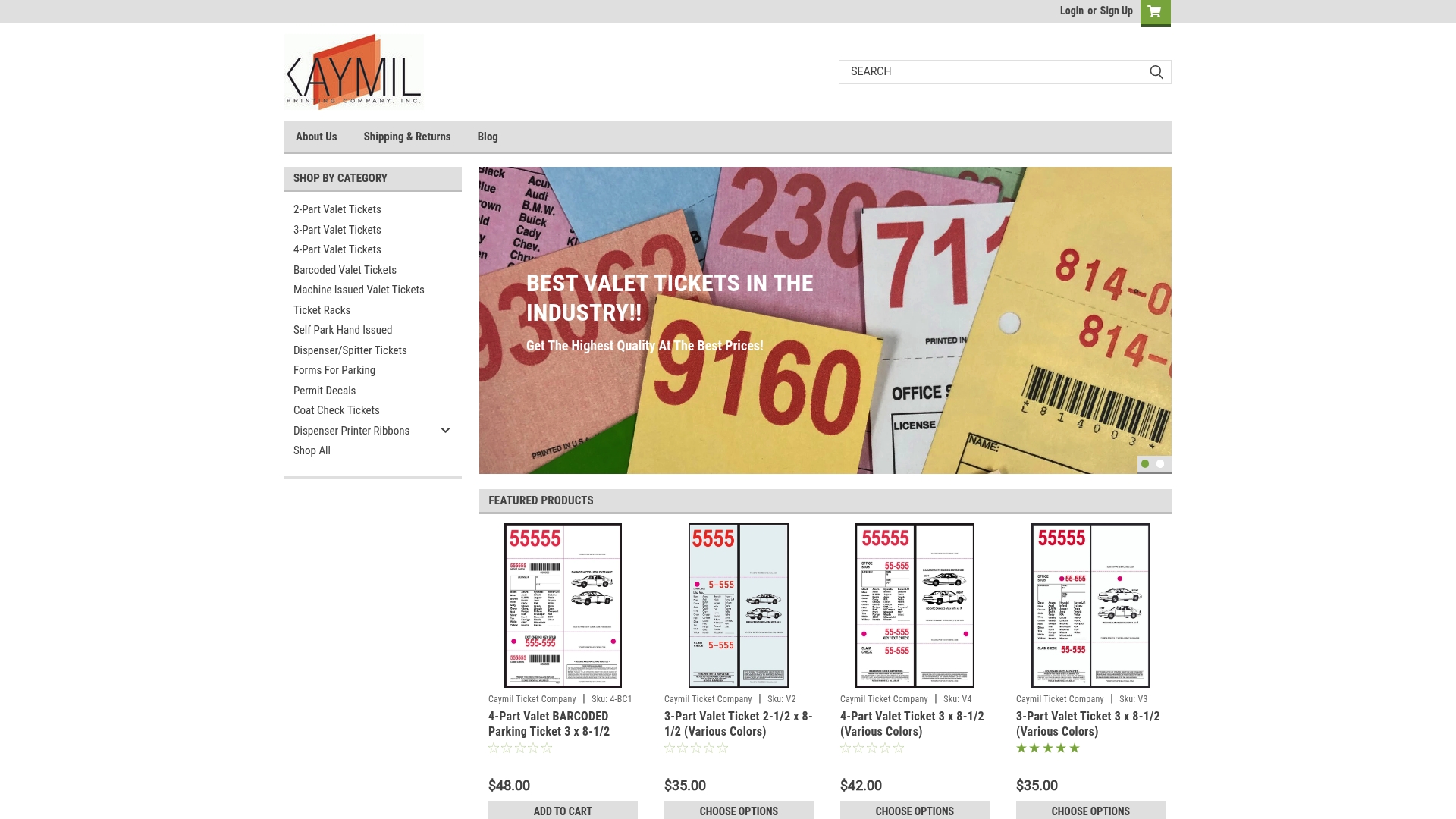
Valet managers can choose from 2-part valet tickets, 3-part formats, and machine-issued valet tickets designed for high-volume automated issuance. All formats are available on durable card stock with carbonless copies and perforated stubs. Caymil ships nationwide with fast turnaround and millions of tickets in stock. For the full range of valet and parking ticket options, visit Caymil’s parking forms catalog.
FAQ
What makes a valet ticket “premium”?
A premium valet ticket uses durable card stock, branded design elements, and functional fields like VIP indicators and vehicle condition notes. It connects to a digital system through a barcode or QR code for fast, accurate retrieval.
How does PMS integration work with valet tickets?
Scanning a barcode on the ticket links it to the guest’s property management system profile, enabling personalized greetings, preference storage, and real-time vehicle tracking without manual data entry.
What ticket format works best for luxury hotel valet operations?
3-part valet tickets are the most common choice for hotel settings, providing copies for the attendant, the guest, and cashier reconciliation while keeping the process straightforward for staff.
How do valet tickets support casino valet branding?
Casino valet ticket branding uses property logos, color schemes, and sequential numbering to reinforce brand identity at every guest touchpoint. Multi-part formats also support the detailed auditing that casino operations require.
What is the most common valet ticket mistake that hurts guest experience?
The most damaging mistake is a mismatch between the physical ticket number and the digital PMS record, which forces manual vehicle lookup and adds significant wait time. Barcode synchronization at issuance eliminates this problem.