
Why Sequential Valet Tickets Matter for Operators
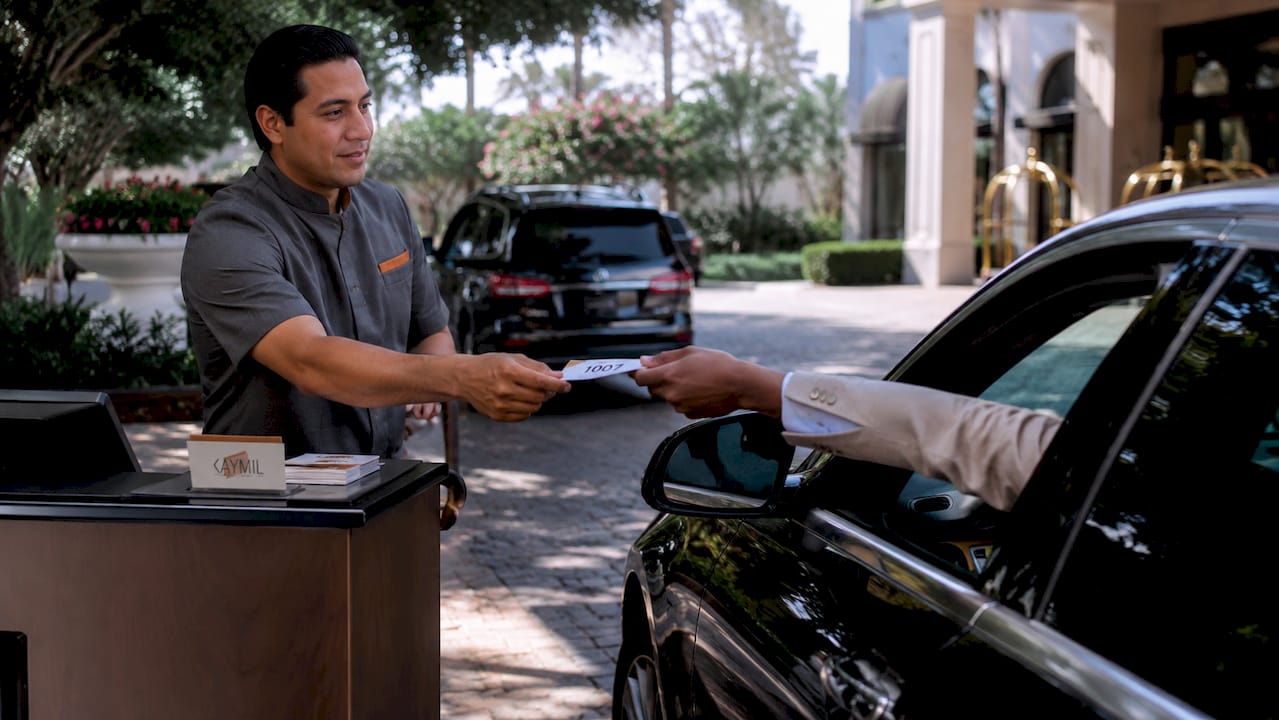
Sequential valet tickets are uniquely numbered tickets issued in ascending order to ensure every vehicle transaction is traceable, accountable, and auditable. Understanding why sequential valet tickets matter is the first step toward running a valet operation that guests trust and managers can actually control. The industry term for this practice is sequential numbering, and it applies to everything from two-part carbonless pads to barcode valet tickets used in high-volume hotel and casino environments. Without sequential integrity, operators face manual sorting errors, fraud exposure, and reconciliation headaches that cost real time and money. Caymil has manufactured sequentially numbered valet tickets since 1937, and the operational case for them has only grown stronger.
Why sequential valet tickets matter for operational efficiency
Sequential numbering is a foundational method for accounting control, ensuring every unique transaction is recorded and traceable for audit purposes. That single principle drives most of the efficiency gains parking operators experience when they switch from random or hand-written numbering to pre-printed sequential stock.
The operational benefits show up in several concrete ways:
- Faster vehicle retrieval. Attendants locate a car by matching a number, not deciphering handwriting or hunting through a pile of unordered stubs.
- Simpler end-of-shift reconciliation. Pre-numbered pads allow managers to calculate used tickets by subtracting the starting number from the ending number, eliminating manual counts entirely.
- Reduced dispatch errors. When tickets are issued in strict order, a gap in the sequence immediately signals a missing or skipped ticket, giving supervisors a clear alert before a problem escalates.
- Lower sorting labor. Tickets delivered in pre-padded, numerical order are ready for immediate use. Staff spend zero time organizing stock before a shift begins.
Managing “ticket drift” is a real operational challenge. It happens when tickets get issued out of order, stubs are lost, or pads are started mid-sequence. Pre-numbered stock eliminates drift by design. Operators who track sequence continuity across finished ticket packs treat it as a primary KPI, and the discipline pays off in cleaner shift reports and fewer guest complaints.
Pro Tip: Set a policy that each new pad starts only after the previous one is fully used and logged. This single rule prevents sequence gaps that cause reconciliation errors at the end of a busy night.

The time savings compound quickly in high-volume venues. A hotel with 300 valet transactions per night that shaves two minutes off each reconciliation cycle recovers 10 hours of labor per week. That is a measurable return from a ticketing decision that costs almost nothing to implement.
How sequential tickets strengthen valet security
Sequential tickets prevent duplicate or counterfeit claims, which is a critical security requirement in high-volume valet environments. Without sequential integrity, venues face increased manual sorting errors and higher security risks that are difficult to detect until a dispute is already in progress.
The security advantages of sequential numbering include:
- Fraud prevention. Each ticket carries a unique number that cannot be replicated without detection. A duplicate claim is immediately visible when the sequence log shows the number was already used.
- Dispute resolution. When a guest claims their car was damaged or taken, the ticket number establishes exactly when the vehicle entered the system. That timestamp equivalent is the first line of defense in any liability discussion.
- Lost ticket management. Sequential systems allow operators to estimate when a ticket was issued by referencing current sequence ranges, significantly improving security response times when a guest cannot produce their stub.
- Audit trail integrity. Sequential numbers create a complete, unbroken record that satisfies internal audits and, when required, external compliance reviews.
Red ink numbering adds another layer of speed to security checks. Sequential numbers printed in red ink enable quick visual identification, speeding up attendant workflows and reducing errors in fast-paced settings. A supervisor scanning a stack of returned stubs can spot an out-of-sequence ticket in seconds when the number stands out in red against a white or colored background.
Sequential numbers are typically 4–6 digits long and zero-padded to maintain consistent record-keeping formats. Zero-padding matters because it prevents sorting errors in both physical and digital logs. A ticket numbered “00347” sorts correctly in every system; a ticket numbered “347” does not.
The combination of unique numbering, red ink visibility, and zero-padded formatting creates a security layer that requires no technology to enforce. Any attendant can verify a ticket’s legitimacy at a glance, which is exactly what you need during a busy Friday night rush.
Production standards that protect sequential integrity
The quality of sequential tickets depends entirely on how they are produced. Cut-and-stack imposition is the production method that makes sequential delivery possible at scale.
Here is how the process works in practice:
- Layout for cut-and-stack. The printer arranges ticket artwork so that when the printed sheet is stacked and cut, the resulting piles are automatically in sequential order. This eliminates any post-press sorting.
- Zero-padded numbering applied before cutting. Numbers are printed on the sheet before the cut, ensuring every ticket in a finished pad carries its correct, pre-assigned number.
- Pre-padded delivery. Finished pads are assembled in numerical order and banded or wrapped to preserve sequence integrity during shipping and storage.
- Quality verification. A spot-check of the first and last ticket in each pad confirms the sequence is intact before the pad ships.
Cut-and-stack imposition ensures tickets are ready for immediate use with maintained sequential integrity. This is critical for high-volume valet operations where a single out-of-order pad can disrupt an entire shift.
Common production pitfalls include printing tickets without zero-padding, delivering pads in random order, and using numbering that restarts mid-run. Each of these errors forces attendants to sort stock manually, which reintroduces the exact labor and error risk that sequential tickets are designed to eliminate.
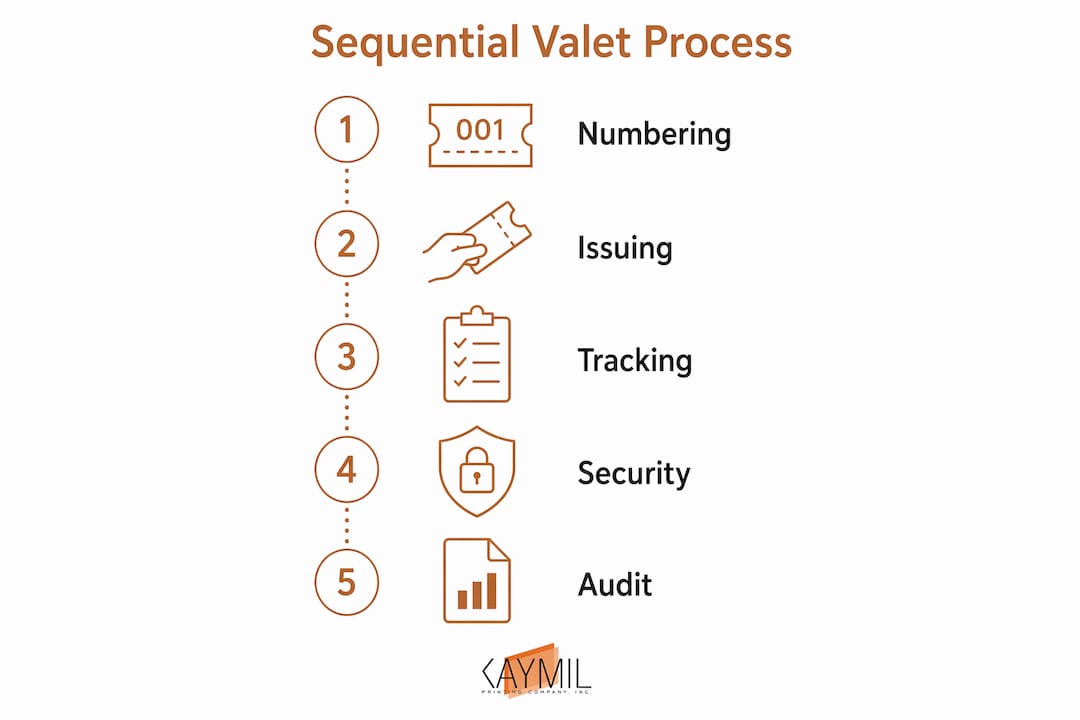
Pro Tip: When ordering custom valet tickets, specify the starting number for each run. Starting at 00001 for every new order creates clean audit periods and makes it easy to match ticket ranges to specific dates or events.
Caymil produces tickets using cut-and-stack workflows with zero-padded sequential numbering as a standard practice. Every pad arrives ready to use, in order, without any preparation required from your team. Operators managing multiple locations can also request location-specific number ranges to keep records separate across properties.
Sequential tickets versus digital systems: what operators need to know
Digital valet systems provide real-time data, cloud storage, and integration with property management software. Those are genuine advantages for large operations with the budget and IT support to maintain them. Physical sequential tickets, however, remain a vital, low-cost accountability tool without the technology risks of downtime or hardware failure.
The practical trade-offs break down clearly:
- Reliability. A printed ticket works during a power outage, a Wi-Fi failure, or a software update. A digital system does not.
- Cost. Sequential ticket pads cost a fraction of the licensing and hardware fees associated with digital platforms. For smaller operators, the economics favor paper decisively.
- Operator familiarity. Attendants trained on physical tickets require no software onboarding. Turnover in valet staffing is high, and simpler systems reduce training time.
- Hybrid compatibility. Sequential tickets integrate with digital systems rather than replacing them. Barcode valet tickets, for example, carry both a printed sequential number and a scannable barcode, giving operators the benefits of both formats.
The strongest argument for maintaining physical sequential tickets is resilience. A venue that relies entirely on a digital system has a single point of failure. A venue that uses sequential tickets as a primary or backup system never loses the ability to park and retrieve vehicles, regardless of what happens to the network.
For operators running hotels, casinos, or event venues, the right answer is usually a hybrid approach. Digital systems handle reporting and analytics. Sequential tickets handle the physical transaction and provide the paper trail that auditors and insurance adjusters actually want to see.
Key takeaways
Sequential valet tickets provide the accountability, security, and operational control that parking operators need to run efficient, auditable valet programs.
| Point | Details |
|---|---|
| Sequential numbering enables audits | Every ticket is traceable by number, creating an unbroken record for compliance and dispute resolution. |
| Pre-padded delivery saves labor | Tickets delivered in numerical order eliminate manual sorting and reduce shift preparation time. |
| Red ink numbering speeds verification | Numbers printed in red allow attendants and supervisors to spot sequence errors at a glance. |
| Cut-and-stack production protects order | This printing method ensures pads arrive in correct sequence, ready for immediate use. |
| Physical tickets provide reliable fallback | Sequential paper tickets function during tech outages, making them a dependable backup or primary system. |
Why I still trust sequential tickets after years in parking operations
The parking industry has tested every digital shortcut available over the past decade. I have watched operations invest in app-based valet systems, SMS retrieval platforms, and cloud-connected ticket printers. Some of those tools deliver real value. But the operations that run cleanest, with the fewest disputes and the fastest reconciliation, are the ones that never abandoned sequential paper tickets as their foundation.
The mistake I see most often is operators treating ticket selection as a supply decision rather than an operational one. They order whatever is cheapest or most convenient, without specifying sequential numbering, zero-padding, or cut-and-stack delivery. Then they wonder why end-of-shift counts never balance. The ticket is not just a claim check. It is the primary record of every transaction that happened on your lot.
My advice for any operator setting up or auditing a valet ticket system is to start with the ticket itself. Confirm your stock is sequentially numbered, zero-padded, and delivered in order. Check that your team understands how to log starting and ending numbers at the beginning and end of every shift. Those two habits, combined with quality printed stock, will resolve the majority of reconciliation and security issues before they start. Avoid the common ticketing mistakes that cost operators time and credibility. The technology layer can come later. The paper foundation has to be right first.
— Richard
Caymil’s sequential valet ticket solutions for parking operators
Caymil has supplied parking operators and venue managers with production-ready sequential valet tickets for nearly 90 years. Every ticket ships pre-padded, in numerical order, and ready for immediate use.
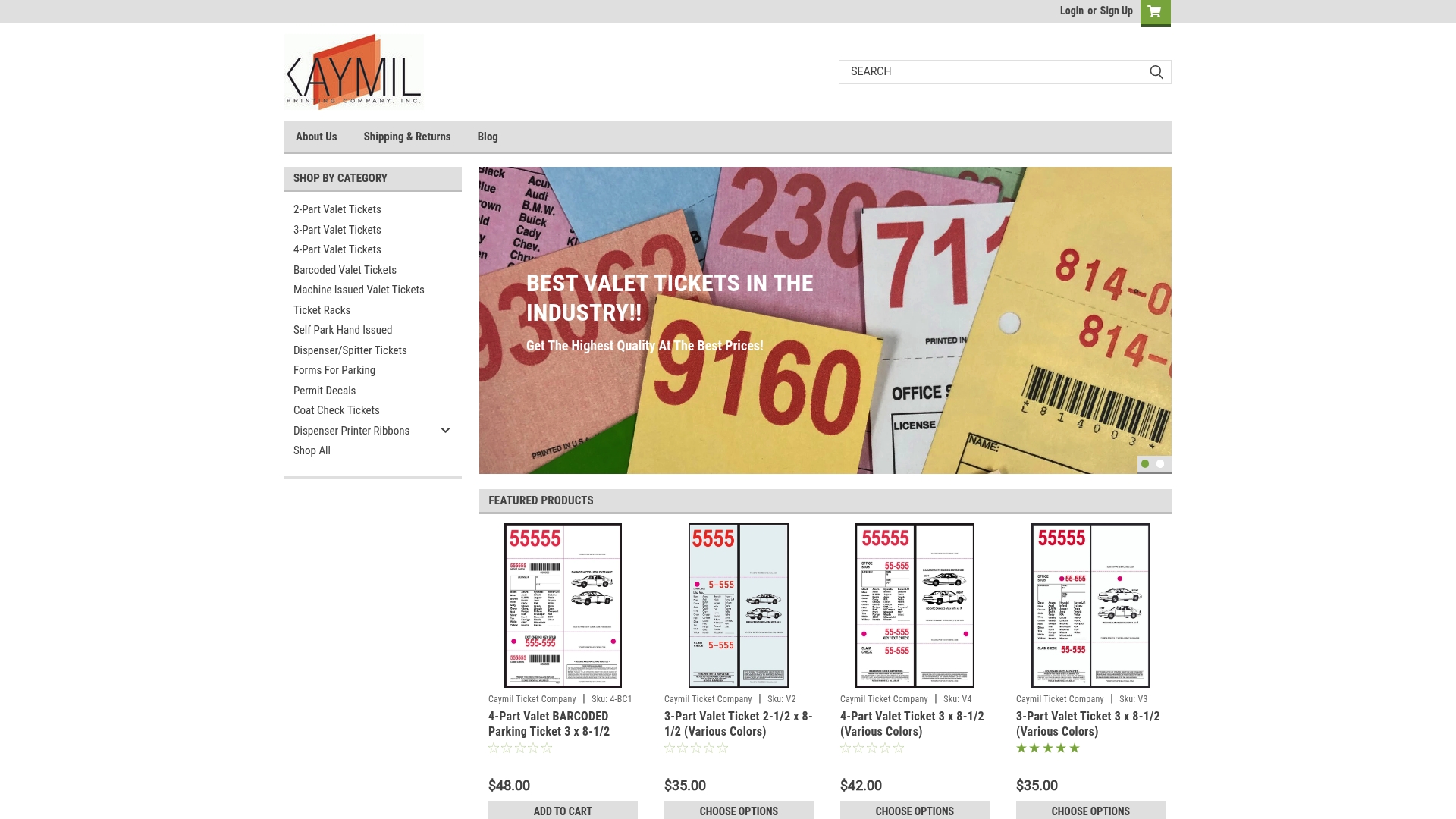
Caymil offers 2-part valet tickets, 3-part valet tickets, machine-issued valet tickets, and barcode-integrated formats, all with sequential numbering as a standard feature. Custom options include zero-padded number ranges, red ink numbering, logo printing, and location-specific sequences for multi-property operators. Fast nationwide shipping means your next order arrives ready to deploy, with no sorting, no prep, and no gaps in your sequence. Contact Caymil to specify your starting number, format, and quantity, and get stock that supports the accountability your operation depends on.
FAQ
What are sequential valet tickets?
Sequential valet tickets are pre-printed tickets numbered in ascending order, with each ticket carrying a unique number. They are used in valet operations to track every vehicle transaction and support accurate reconciliation and audits.
Why does sequential numbering prevent fraud?
Each sequential number is unique and issued only once, making duplicate or counterfeit claims immediately detectable. A gap or repeated number in the sequence signals a problem that can be investigated before a dispute escalates.
What does zero-padded numbering mean?
Zero-padded numbering formats ticket numbers with leading zeros so all numbers share the same digit length, such as 00001 through 09999. This prevents sorting errors in both physical pads and digital logs.
When should operators use physical sequential tickets over digital systems?
Physical sequential tickets are the right choice when reliability during tech outages is a priority, when staffing turnover makes software training impractical, or when budget constraints make digital platforms cost-prohibitive. Many operators use both formats together.
How does cut-and-stack imposition work?
Cut-and-stack imposition arranges ticket artwork on a printed sheet so that after cutting, each resulting stack is automatically in sequential order. This eliminates post-press sorting and ensures every pad ships ready for immediate use.