
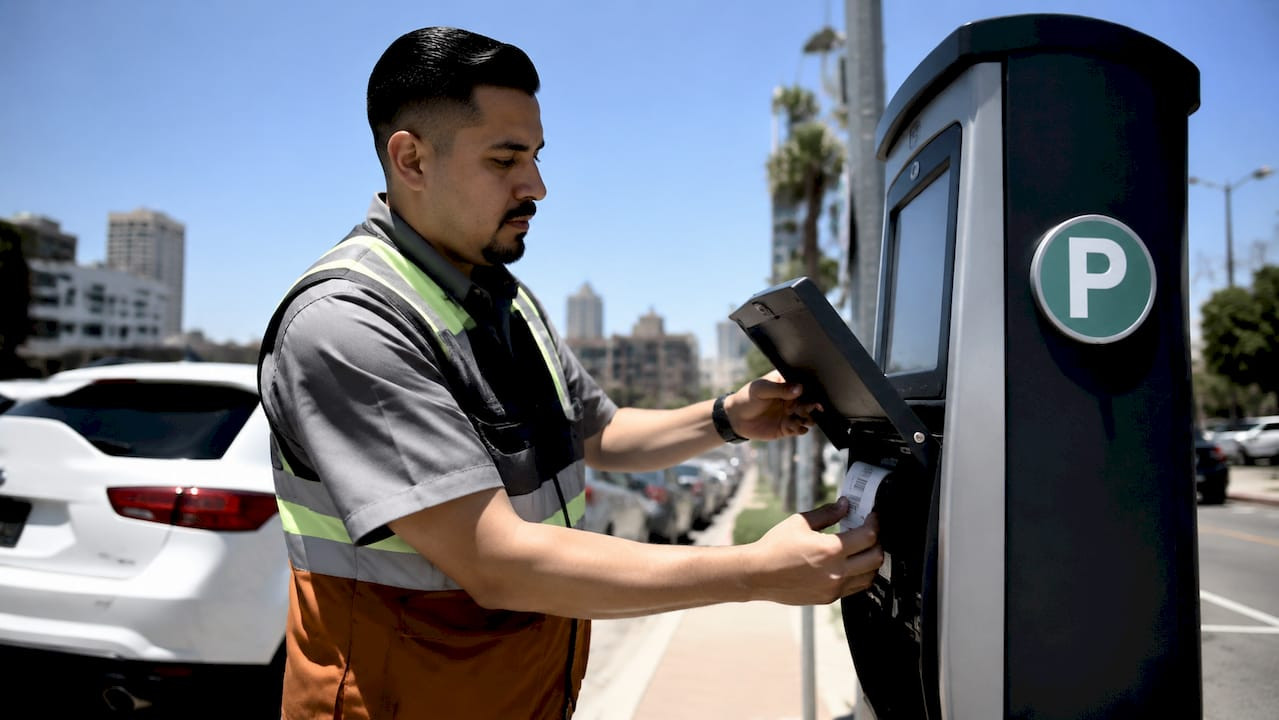
How to Choose Barcode Parking Ticket Rolls in 2026
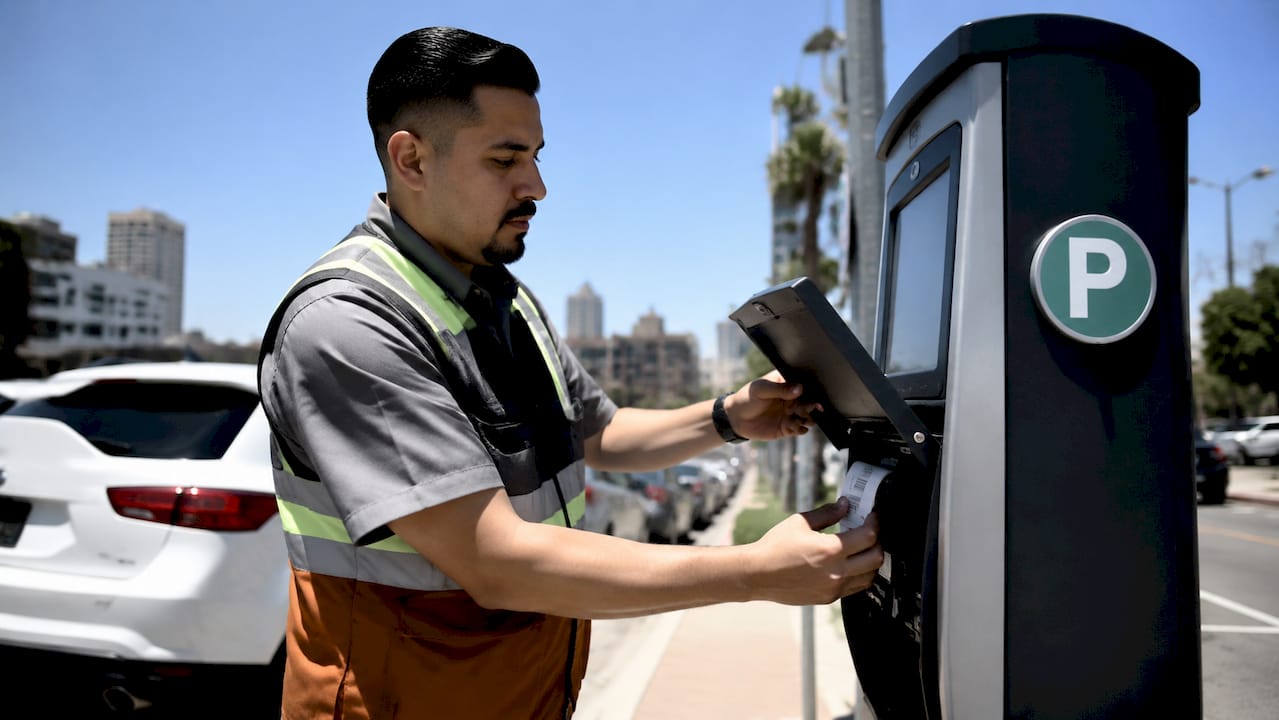
Barcode parking ticket rolls are the physical media that parking kiosks, pay stations, and automated dispensers use to issue time-stamped, scannable tickets to drivers. Choosing the right rolls directly affects scan reliability, machine uptime, and enforcement accuracy across your entire operation. The wrong paper type or roll size causes jams, faded barcodes, and costly service calls. This guide covers every factor that matters when you choose barcode parking ticket rolls, from thermal paper grades and roll dimensions to barcode formats and procurement practices that keep facilities running without interruption.
What are the essential physical specifications for barcode ticket rolls?
The physical dimensions of a ticket roll determine whether it fits your machine at all. Core diameter, outer roll diameter, and paper width must match the printer’s housing tolerances exactly. A roll that is even slightly oversized can stress feeder brackets and cause misalignment that leads to printer failures and downtime. That kind of mechanical damage is expensive to repair and entirely avoidable.
Paper type is equally critical. Top-coated thermal paper is the industry standard for barcode parking tickets because the coating protects the heat-sensitive layer from moisture, oils, and UV light. Unprotected standard thermal paper may fade within 1–3 years indoors, and significantly faster when exposed to direct sunlight or heat. For outdoor pay stations, that timeline can shrink to weeks during summer months.
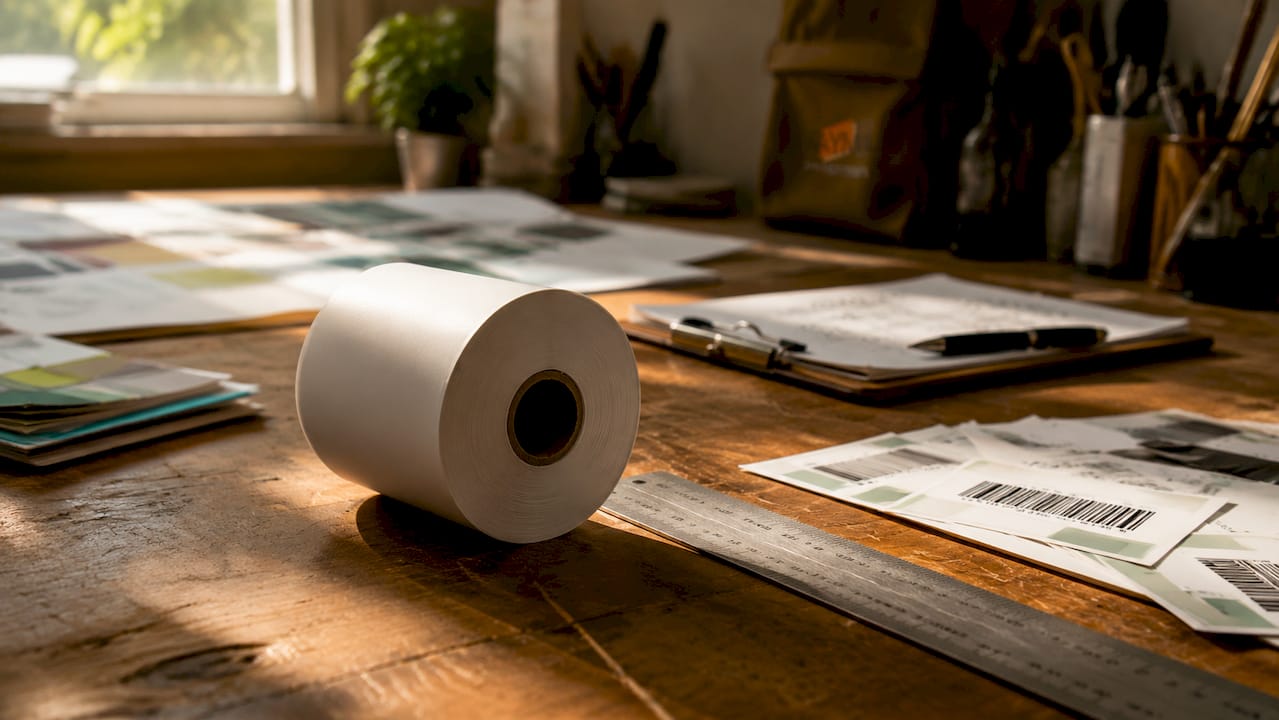
Roll length is a practical efficiency variable. High-capacity rolls of 1,000 feet or more reduce how often staff must change rolls, which lowers labor overhead in high-traffic garages and event venues. The tradeoff is that longer rolls have a larger outer diameter, so operators must confirm the machine housing can physically accommodate the roll before ordering in bulk.
| Roll Length | Outer Diameter | Best For | Key Consideration |
|---|---|---|---|
| 500 ft | Compact | Low-traffic lots, indoor kiosks | Frequent changes needed at busy sites |
| 750 ft | Medium | Mid-volume garages | Good balance for most machines |
| 1,000 ft | Large | High-traffic facilities, event venues | Verify housing clearance before ordering |
| 1,200 ft | Extra-large | 24/7 automated facilities | Requires machine-specific compatibility check |
Pro Tip: Before switching to a longer roll, measure the inner housing diameter of your printer with a caliper. Even a quarter-inch difference in outer roll diameter can jam the feeder and void your equipment warranty.
How to select barcode types and printing quality for reliable scanning
Barcode format selection starts with your parking management system. Most automated parking systems, including those from Amano, TIBA, SKIDATA, and Flowbird, support both 1D barcodes and 2D formats such as QR codes. 1D barcodes like Code 39 and Code 128 are fast to scan and work well with fixed-beam readers at entry and exit gates. QR codes carry more data per ticket, which suits facilities that encode session details, validation status, or loyalty program information directly on the ticket.
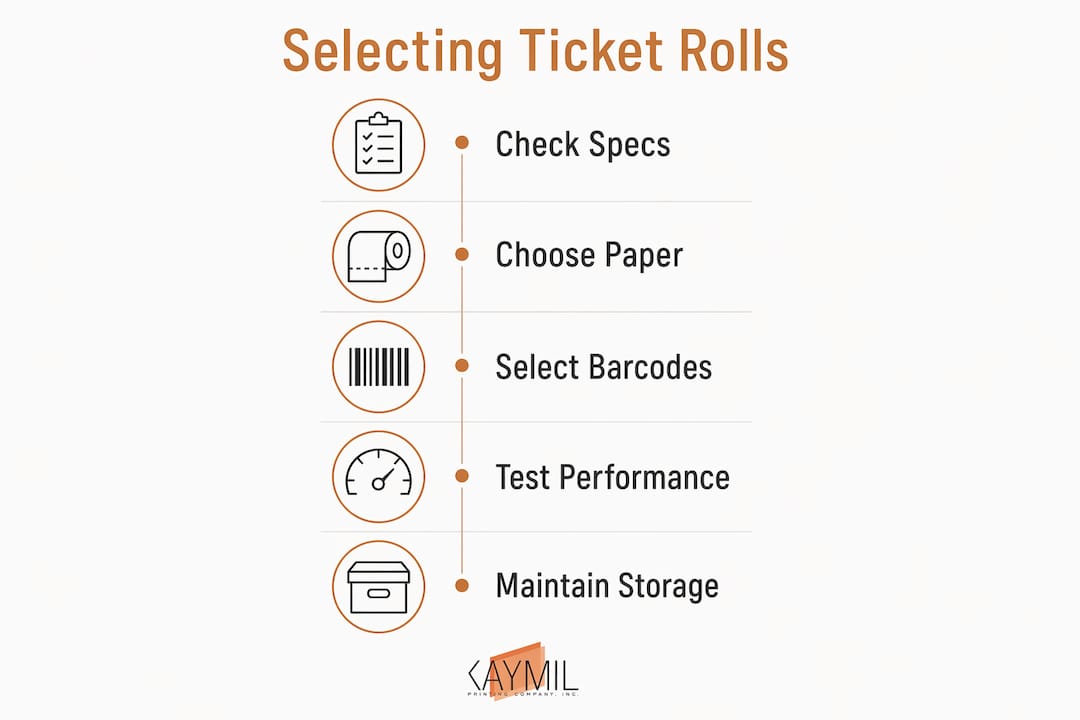
Print quality determines whether a barcode scans on the first pass or requires multiple attempts. High-contrast, fade-resistant printing is the baseline requirement for any barcode ticket roll used in a parking environment. Thermal printing on top-coated paper consistently produces the sharp edges and high contrast ratios that barcode readers need. Inkjet or laser-printed rolls degrade faster under handling and environmental stress.
Sequential numbering and variable data printing are not optional features. Each ticket must carry a unique identifier for validation, audit trails, and enforcement. Without sequential numbering, duplicate tickets can circulate undetected, creating revenue leakage and enforcement gaps. Digital printing with precise numbering ensures every ticket is traceable from issuance to exit.
Follow these steps to verify barcode quality before committing to a full order:
- Request a print sample from your supplier and scan it with the actual reader installed at your facility.
- Test the sample under the lighting conditions present at your entry and exit lanes, including direct sunlight if applicable.
- Expose a sample to moisture by wiping it with a damp cloth and confirm the barcode remains scannable.
- Run the sample through your ticket dispenser to confirm feed reliability and check for paper dust or debris.
- Confirm that sequential numbers print without gaps or repeats across a full roll.
What environmental and operational factors affect ticket roll performance?
Outdoor parking kiosks face conditions that destroy standard thermal paper quickly. UV exposure, humidity, rain splash, and temperature swings all accelerate barcode fading. Environmental exposure accelerates barcode degradation, and tickets without UV and moisture barriers can become unreadable within weeks at outdoor sites. That means unenforceable tickets, driver disputes, and revenue loss.
The solution is top-coated thermal paper with both UV-protective and moisture-resistant properties. This coating acts as a physical barrier between the heat-sensitive layer and the environment. Premium top-coated thermal paper also generates less paper dust during printing, which reduces printer wear and extends the service interval between cleanings.
Traffic volume directly influences which roll length makes operational sense. A 500-space garage processing 2,000 vehicles per day burns through rolls far faster than a 50-space surface lot. Matching roll length to daily ticket volume reduces the number of mid-shift roll changes, which matters most during peak hours when staff cannot leave their posts.
Common operational problems caused by mismatched rolls include:
- Paper jams: Oversized rolls bind against housing walls, causing feed failures that require manual clearing.
- Unreadable tickets: Thin or uncoated paper smears during printing, producing barcodes that scanners reject.
- Frequent downtime: Rolls that run out quickly force repeated machine openings, increasing the risk of dust and debris entering the printer.
- Misaligned printing: Rolls with the wrong core diameter slip on the spindle, shifting the print position off-center on the ticket.
Pro Tip: Run a 30-day field test with any new roll specification before placing a large order. Test in your actual kiosks during peak and off-peak periods to catch feed issues, print quality problems, and environmental degradation before they affect your full operation.
What steps should managers follow when purchasing and maintaining ticket rolls?
Procurement starts with your existing equipment. Pull the model numbers for every ticket dispenser and printer in your facility and cross-reference them against the roll specifications from your supplier. Caymil, for example, manufactures rolls compatible with Amano, TIBA, SKIDATA, FLASH Parking, Scheidt & Bachmann, and Flowbird systems. Compatibility verification before ordering eliminates the most common source of procurement errors.
Obtaining print proof samples is a non-negotiable step. Operators should always test new ticket roll batches for barcode scan success and printer compatibility before full-scale deployment. A proof sample costs almost nothing compared to the expense of a failed batch across a 10-machine facility.
Custom printed rolls offer real operational advantages beyond branding. Custom rolls can include logos, QR codes, sequential numbering, and driver messages that reinforce brand visibility and communicate parking rules directly on the ticket. For event venues and hotels, branded tickets also reduce the risk of counterfeit tickets circulating in the lot.
| Procurement Approach | Cost Profile | Lead Time | Best For |
|---|---|---|---|
| Stock rolls | Lower unit cost | Ships immediately | Standard machines, budget-focused operations |
| Custom printed rolls | Higher unit cost | 5–15 business days | Branded facilities, compliance-heavy environments |
| Hybrid (stock + custom overprint) | Mid-range | Moderate | Facilities needing branding without full custom lead time |
Routine maintenance protects both the rolls and the machines. Keep roll storage in a cool, dry location away from direct light. Train staff to load rolls with clean, dry hands to avoid transferring oils that degrade the thermal coating. Inspect the printer’s print head monthly and clean it with an approved solution to prevent buildup that causes streaking across barcodes.
Key Takeaways
Selecting the right barcode parking ticket rolls requires matching paper grade, roll dimensions, barcode format, and environmental durability to your specific equipment and site conditions.
| Point | Details |
|---|---|
| Paper grade determines durability | Top-coated thermal paper resists UV, moisture, and heat, extending ticket readability and reducing printer wear. |
| Roll size must match machine tolerances | Oversized rolls stress feeder brackets and cause jams; always verify housing clearance before ordering. |
| Barcode format follows your system | Match 1D or 2D barcode formats to your parking management system’s scanner specifications for first-pass reliability. |
| Test before full deployment | Run print samples through your actual dispensers and scan them under real site conditions before committing to a bulk order. |
| Custom rolls add operational value | Sequential numbering, logos, and QR codes on custom rolls improve enforcement accuracy and brand consistency. |
What I’ve learned after years of watching operators get this wrong
The most common mistake I see is operators treating ticket rolls as a commodity purchase. They find the lowest price per roll, order in bulk, and then spend three times the savings on service calls when the paper jams or the barcodes fade after two weeks in the sun. The ticket roll is not a minor supply item. It is the first physical touchpoint between your facility and every driver who enters.
The second mistake is skipping the compatibility check. I have watched facilities order pallets of rolls that were a quarter-inch too wide for their machines. The rolls looked identical to the old ones. The specs on the box were close but not exact. The result was a week of jams and a very expensive service visit. That problem costs nothing to prevent and a great deal to fix.
What actually works is building a short procurement checklist and following it every time you reorder. Verify the machine model. Confirm the roll dimensions. Request a sample. Scan the sample with your actual reader. Only then place the full order. It takes 20 minutes and it eliminates the most expensive mistakes in parking supply management.
Partnering with a supplier who understands parking operations, not just paper, makes a measurable difference. Suppliers with deep industry experience can flag compatibility issues before you order, recommend the right coating for your climate, and provide samples quickly. That expertise is worth more than a small discount on a roll specification that does not fit your machines.
— Richard
Caymil’s barcode parking ticket rolls for your operation
Caymil has manufactured barcode parking ticket rolls for parking facilities, event venues, hotels, and municipalities since 1937. Every roll is available in stock and custom configurations, with options for sequential numbering, QR codes, logos, and security features that meet the demands of high-volume operations.
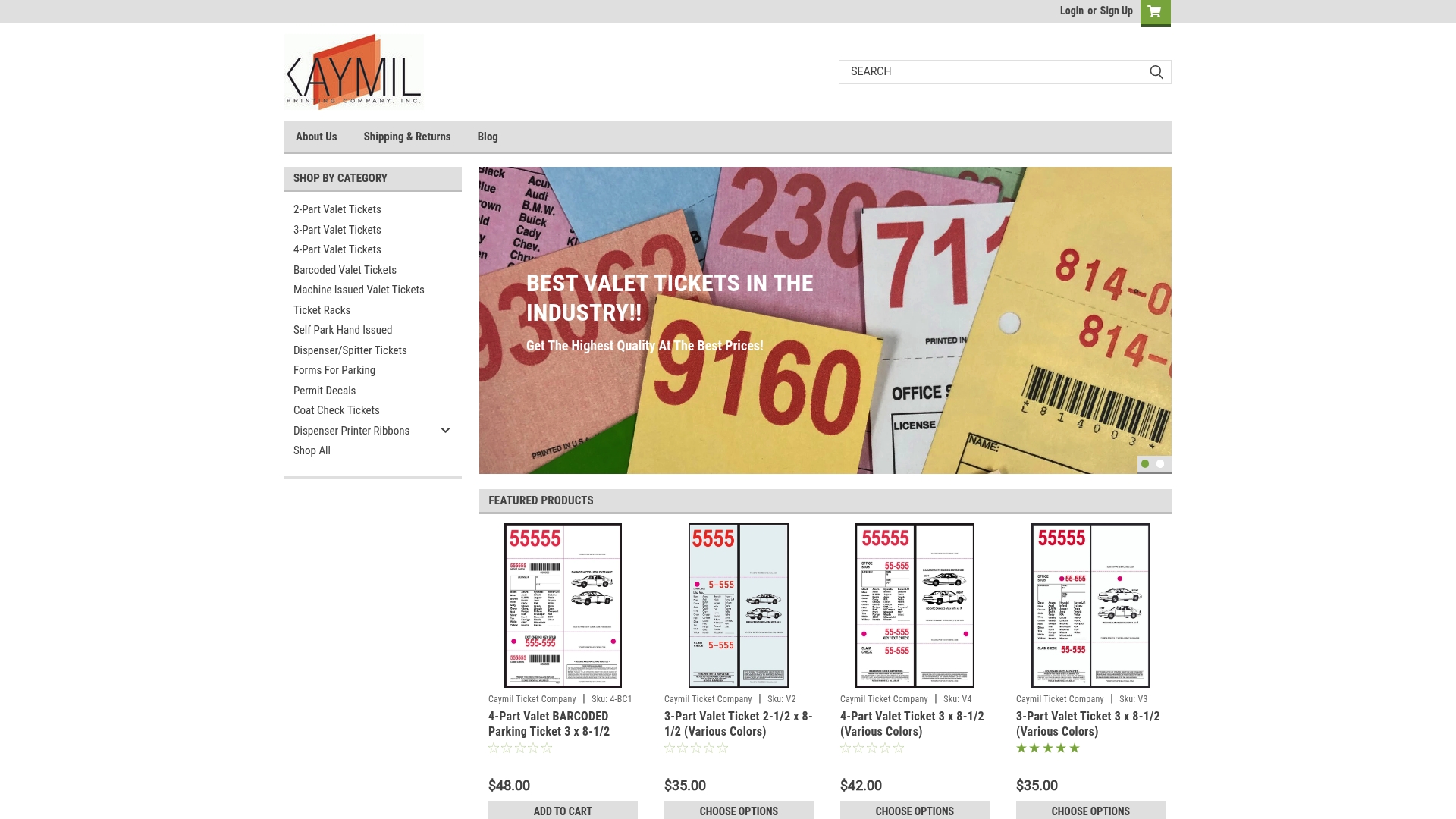
Caymil’s rolls are manufactured to be compatible with major parking systems including Amano, TIBA, SKIDATA, FLASH Parking, Scheidt & Bachmann, and Flowbird. The team provides roll size verification and print proofing before full orders ship, so operators avoid the compatibility problems that cause downtime. Visit Caymil’s parking ticket rolls and forms page to review specifications, request samples, and place orders with fast nationwide shipping. For facilities using automated dispensers, Caymil also offers dispenser spitter tickets built for high-speed machine issuance.
FAQ
What paper type is best for outdoor barcode parking tickets?
Top-coated thermal paper is the correct choice for outdoor kiosks. The coating resists UV exposure and moisture, which are the two primary causes of barcode fading in outdoor environments.
How do I know which roll size fits my ticket dispenser?
Check the printer’s technical specifications for core diameter, outer roll diameter, and paper width. Physical testing of roll diameter clearance is required before upgrading to a larger roll to avoid mechanical damage.
What barcode format works best for parking ticket rolls?
1D barcodes like Code 128 work well for standard entry and exit gate scanning. 2D formats like QR codes suit facilities that need to encode additional data such as validation status or session details directly on the ticket.
Why does sequential numbering matter on parking ticket rolls?
Sequential numbering ensures every ticket is unique and traceable, which supports audit accuracy, enforcement, and revenue protection. Without it, duplicate tickets can circulate undetected.
How should parking ticket rolls be stored to preserve print quality?
Store rolls in a cool, dry location away from direct light and heat. Exposure to humidity or UV light before use degrades the thermal coating and reduces barcode print quality before the roll even enters the machine.
Recommended
- Parking Ticket Rolls – Custom, Barcode & Automated Parking System Tickets | Caymil Printing - Caymil Printing Co., Inc.
- Why barcode tickets make parking garages more efficient - Caymil Printing Co., Inc.
- Blog - Caymil Printing Co., Inc.
- Parking Ticket Material Options: Top 10 for 2026 - Caymil Printing Co., Inc.