
Avoid a 50 Foot Roll Mismatch: Fanfold vs Roll Tickets for Parking Ops
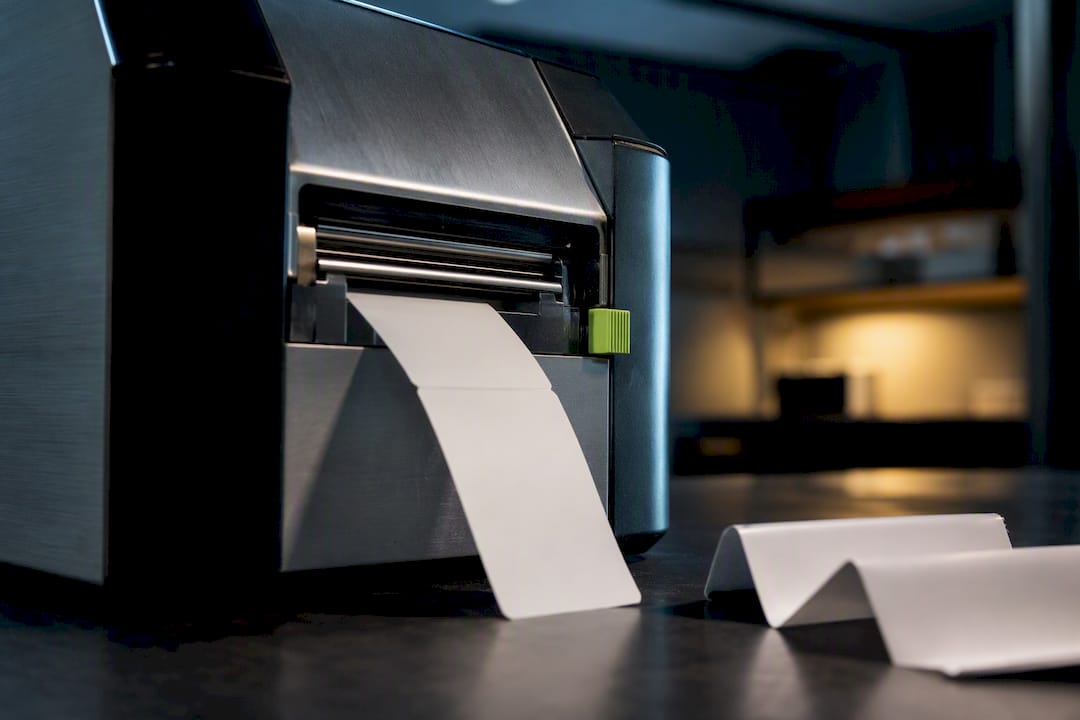
Choose fanfold when your kiosk runs unattended for long stretches and your printer accepts stacked, folded stock. Choose roll tickets when your dispenser is built for continuous feed and you need parts compatible across a mixed equipment fleet. The deciding factor is never preference. It’s the feeder-module specs on your specific printer or dispenser. Both formats are manufactured, so the right answer depends on your hardware, not on which format sounds more modern.
TL;DR:
- Fanfold tickets typically hold 2,000 to 3,000 tickets per stack, making them ideal for high-volume, unattended kiosks with limited staff interaction.
- Compatibility requires a feeder module designed specifically for fanfold stock, and proper feed orientation and sensor placement are vital to prevent jams.
- Roll tickets are more universally compatible with existing dispenser systems, especially for high-speed gate arms and pay stations, but smaller roll lengths increase replacement frequency.
- Validating hardware specifications, including maximum media thickness, core size, and sensor type, is crucial before switching formats to avoid costly compatibility issues.
- Most operators benefit from a hybrid approach, using fanfold at unattended sites and roll at attended facilities, based on existing equipment and operational needs.
Table of Contents
- Fanfold vs Roll Tickets: A Side-by-Side Operational Comparison
- Fanfold (Z-Fold) Tickets: Strengths, Weaknesses, and Best Fits
- Roll Tickets: Strengths, Weaknesses, and Best Fits
- What Should You Check Before Switching Ticket Formats?
- How Do You Choose the Right Ticket Format and Spec?
- Which Format Fits Your Deployment?
- Why Format Choice Comes Down to the Machine, Not the Ticket
- Ready to Order Samples or Run a Fit Test?
- Where to Verify Compatibility and Specs
- Sources
- FAQ
Fanfold vs Roll Tickets: A Side-by-Side Operational Comparison
The fanfold vs roll tickets decision comes down to six operational factors that affect how often your staff touches the machine and how much downtime you can tolerate.
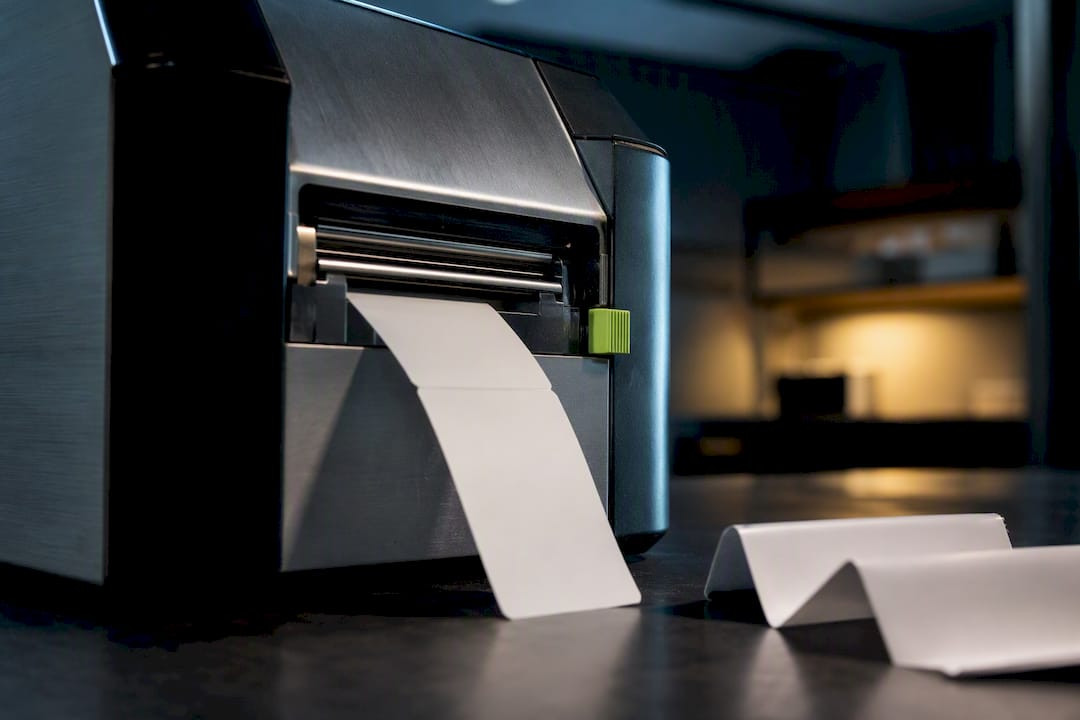
Fanfold (Z-fold) stock is folded into flat stacks, usually housed in a box or magazine that feeds a kiosk printer without a spinning roll mechanism. Continuous roll stock winds around a core and feeds through a motor-driven path, the setup most people picture when they think of a ticket dispenser.
- Media capacity: Fanfold stacks typically hold 2,000 to 3,000 tickets per box in kiosk applications, often outlasting a comparable roll before a technician has to reload.
- Compatibility: Rolls fit a broader range of dispenser motors and housings out of the box. Fanfold requires a feeder module built specifically for folded stock.
- Durability and thickness: Fanfold supports thicker, heavier stock and coatings for weather exposure. Roll stock thickness is more constrained by the housing’s roll diameter limit.
- Storage and handling: Fanfold ships and stores in flat boxes, easy to stack in a supply closet. Rolls need cylindrical storage and are more prone to core damage if dropped.
- Print features: Both formats support thermal printing, barcodes, sequential numbering, and magstripe encoding, so feature sets rarely decide the format for you.
- Cost implications: Fewer reloads on fanfold can mean fewer service visits, but roll printers are often cheaper to source and repair when something breaks.
Statistic to know: fanfold stacks built for kiosk use can run up to 150 to 250 microns thick, a thickness range that matters if your tickets sit in a windshield or glovebox for hours in direct sun.
Fanfold (Z-Fold) Tickets: Strengths, Weaknesses, and Best Fits
Fanfold earns its place in high-volume, low-touch environments. A single stack commonly holds 2,000 to 3,000 tickets, which means an unattended kiosk at a municipal garage or a stadium lot can run an entire event weekend without a reload; an approach similar to the Parking na godziny - PARKING SOPOT CENTRUM PROPARK system, which benefits from efficient unattended ticketing.
Strengths:
- High-capacity stacks reduce how often a technician has to open the kiosk housing.
- Supports thicker stock, useful for tickets that need to survive a long day in a car.
- Cuts the frequency of media swaps in remote or hard-to-access kiosks.
- Fits well where storage footprint favors flat boxes over bulky roll cores.
Weaknesses:
- Requires folded-feed hardware or a kiosk print head built for Z-fold stock. A standard roll printer won’t accept it.
- Feed orientation matters. Load the stack backward and you’ll jam the printer within the first few dozen tickets.
- Sensor positioning on some models is less forgiving than roll-fed sensors, so anti-jam detection needs to be verified before a full rollout.
Pro Tip: Ask your printer manufacturer whether the model supports anti-jam detection and automatic cutting before ordering fanfold stock in bulk. A kiosk built for long unattended runs still needs the right feed-orientation setup on day one, or you’ll spend more time on service calls than you save.
Roll Tickets: Strengths, Weaknesses, and Best Fits
Roll stock remains the default for a reason. It’s what most gate arms, pay-and-display terminals, and entry kiosks were engineered around from the start, and that history shows up in how common the format is in high-speed automated dispensers.
Strengths:
- Standard for automated gate arms and pay-and-display terminals across most manufacturers.
- Broader compatibility with dispenser motors and housings, since roll-fed mechanisms have been the industry baseline for decades.
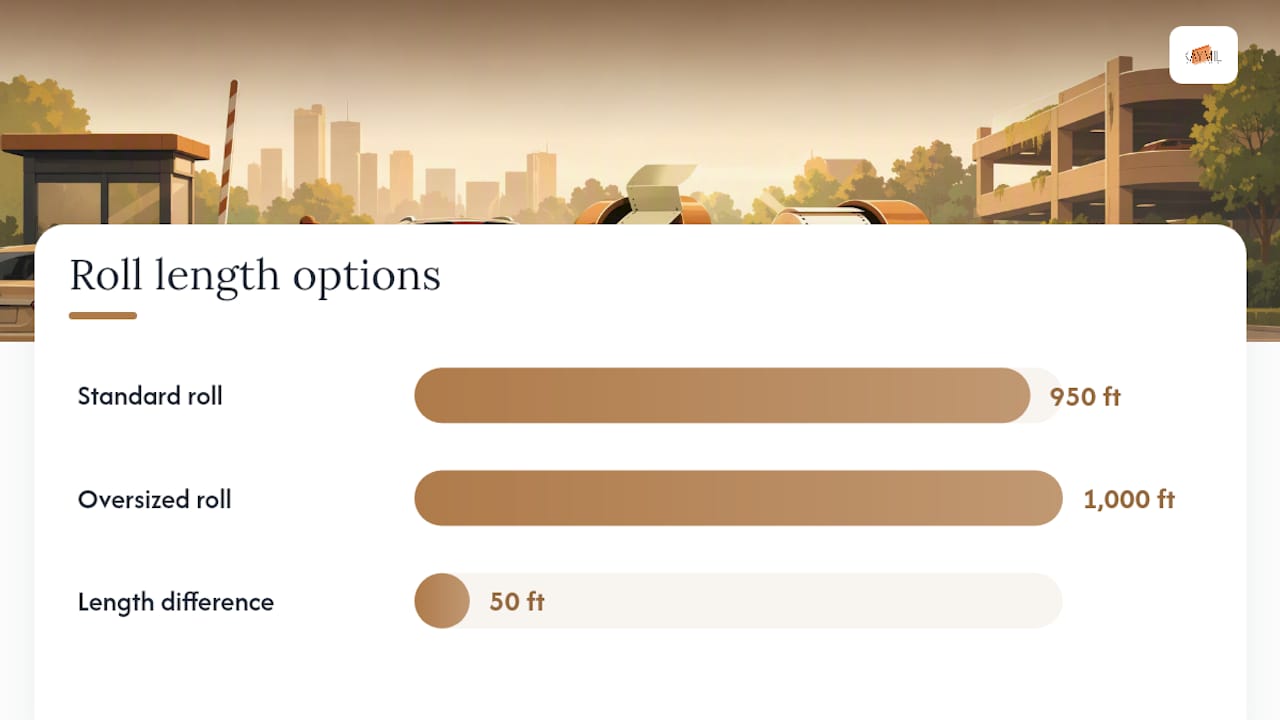
- Roll length options like 950 feet or 1,000 feet let you tune capacity against your housing’s diameter limit.
- Straightforward print options: thermal roll stock, barcodes, and sequential numbering all come standard.
Weaknesses:
- A 950-foot roll may need replacing far sooner than a comparable fanfold stack at a high-volume gate, unless your dispenser accepts the larger 1,000-foot option.
- Roll length differences of even 50 feet can change the roll’s outer diameter enough to jam or fail to fit an older housing.
- Very high-volume sites without oversized roll capacity will see more frequent service visits than a fanfold-equipped kiosk handling the same traffic.
Roll stock is the safer default when you’re running a mixed fleet of dispensers from different eras and need one media spec that works across all of them.
What Should You Check Before Switching Ticket Formats?
Switching formats without validating your hardware first is the single most common (and most expensive) mistake in ticket procurement. Follow this sequence before placing a bulk order.
- Pull the feeder-module specs from your printer or dispenser manual. Motor torque, feed path geometry, and maximum media thickness all limit what stock will run reliably, a point equipment manufacturers build their housings around.
- Measure the housing’s physical clearance. Confirm the maximum roll diameter or, for fanfold, the stack-box footprint that will actually fit inside the unit.
- Verify the core size on any roll order. A roll built for the wrong core diameter won’t seat properly on the spindle.
- Confirm sensor type. Black-mark sensing and hole detection are not interchangeable, and the wrong sensor spec means the printer won’t register ticket boundaries correctly.
- Check the cutter. Full-cut and partial-cut (perforated) mechanisms handle stock differently, and a mismatch here is a common cause of paper jams.
- For fanfold specifically: confirm feed orientation, anti-jam sensor placement, and the stack-box footprint against your kiosk’s internal dimensions.
- Run an on-site fit test. Load a sample batch, run a feed test, check the cut or perforation quality, then print a batch and verify barcode and text readability under real lighting conditions.
Statistic to know: roll length differences as small as 50 feet change the outer roll diameter enough to affect compatibility with older housings, which is exactly why step 3 above isn’t optional.
How Do You Choose the Right Ticket Format and Spec?
Turning this analysis into an actual purchase order takes five steps.
- Step 1: Collect exact model numbers for every printer and dispenser you’re ordering for, along with the manufacturer’s feeder-module specs.
- Step 2: Estimate monthly ticket volume per location and match that number against each format’s typical capacity and your acceptable service interval.
- Step 3: Decide on stock thickness and print features, thermal versus preprinted, barcode, magstripe, and sequential numbering, based on how tickets are used downstream.
- Step 4: Request physical samples and run a fit test on-site before committing to a full production run.
- Step 5: Finalize packaging, storage space, and inventory rotation so the stockroom matches the format you selected.
Pro Tip: Order a small sample batch in both formats if you’re not sure which one your fleet actually needs. A 20-minute fit test on-site catches compatibility problems that a spec sheet alone will miss, and it’s far cheaper than discovering a mismatch after a full inventory order for parking tickets has already shipped.
Which Format Fits Your Deployment?
Most operators don’t need to pick one format for every location. The right call usually depends on what’s already installed at each touchpoint.
- Fanfold fits: high-capacity unattended kiosks, municipal garages with limited staffing, and any site where tickets need to survive rough handling or weather exposure.
- Roll fits: automated gate arms, pay-and-display meters, and any fleet compatible with major parking systems like Amano, TIBA, SKIDATA, or FLASH Parking where universal compatibility matters more than capacity.
- Hybrid approach: many multi-location operators run fanfold at unattended kiosks and rolls at attended gates, matching each format to the hardware already on-site.
- Before ordering: confirm equipment fit, get a sample approved, and set a service schedule around your chosen format’s real-world capacity.
Why Format Choice Comes Down to the Machine, Not the Ticket
Operators tend to overthink the fanfold vs roll ticket debate as if it were a paper-quality question. It isn’t. Caymil has manufactured parking, valet, and event ticketing solutions since 1937, and across those decades, the format question has almost always resolved to one thing: what the feeder module in front of you can physically accept.
Caymil produces both formats, including FLASH Parking Thermal Rolls and dispenser-style spitter tickets, specifically because operators managing mixed fleets rarely get to standardize on one media type across every site. Custom runs with sequential numbering, barcoding, security features, and multi-part carbonless formats accommodate both roll and fanfold specs without forcing a facility to retrofit hardware it already owns and trusts.
The overlooked nuance here: procurement teams that chase the format with the “better” specs on paper, thicker stock, longer runs, often end up with tickets that jam a printer never designed to accept them. Match the format to the machine first. Everything else, durability, barcode capability, print clarity, is negotiable within either format.
— Richard
Ready to Order Samples or Run a Fit Test?
The direct manufacturer behind both the fanfold and roll ticket stock this article just walked through produces stock and fully custom runs in both formats, with sequential numbering, barcoding, and multi-part carbonless options built to order.
If you’re still validating compatibility, the fastest next step is requesting a physical sample against your printer or dispenser model number before committing to a production run. Start with the parking ticket order forms to specify your format, or check the machine-issued valet ticket options if your equipment runs machine-fed stock. For gate-style dispensers running Intermec hardware, the roll ticket page for Intermec 2100 printers shows exact specs you can match against your fleet. Request a sample, run your fit test, then place the order once the stock feeds cleanly through your machine.
Where to Verify Compatibility and Specs
Before finalizing an order, cross-check your printer or dispenser’s own documentation against the format you’re leaning toward.
- Kiosk printer manufacturers publish fanfold compatibility datasheets listing supported thickness and stack capacity.
- Dispenser manufacturers detail feeder-module and roll-diameter specs that determine which roll sizes will actually fit.
- Caymil’s product pages list ordering specs and sample-request options for both formats.
- Review Caymil’s stock vs custom ticket guide if you’re still deciding between off-the-shelf and fully specified runs.
Sources
- Fan-fold Ticket Printer | SNROTEK
- Parking ticket dispenser (Hopt-Schuler product pages)
- Pay & Display Roll Guide: 2.25 x 950 vs 1000 Thermal Paper - Northern Specialty Supplies, Inc.
FAQ
Is Fanfold or Roll Better for High-Volume Kiosks?
Fanfold usually wins for high-volume, unattended kiosks because a single stack holds 2,000 to 3,000 tickets, cutting how often staff need to reload the machine.
Can I Switch From Roll to Fanfold Without Changing Hardware?
No. Fanfold requires a feeder module built for folded stock, so switching formats almost always means confirming or upgrading your printer’s feed mechanism first.
Why Do Roll Lengths Like 950 Feet vs 1,000 Feet Matter?
A 50-foot difference in roll length changes the roll’s outer diameter enough to affect fit in older dispenser housings, which is why operators sometimes choose the smaller roll for guaranteed compatibility.
Does Caymil Manufacture Both Fanfold and Roll Tickets?
Yes. Caymil has manufactured custom and stock parking, valet, and event ticketing since 1937, including roll formats compatible with specific printer models and dispenser-style spitter tickets.
What Print Features Are Available on Both Formats?
Both fanfold and roll stock commonly support thermal printing, barcodes, and sequential numbering, with magstripe encoding available depending on the printer model.