
Parking Machine Ticket: What Every Driver Should Know
Every driver eventually faces a parking machine ticket and wonders what to do next. Do you pay at the machine? Use an app? Mail it in? The confusion is real, and the stakes matter. Miss a deadline and you could face late fees, registration holds, or blocked services. Whether you’re parking in a garage, on a city street, or at a hotel, understanding how parking machine tickets work, what payment options exist, and how technology is changing the process can save you time, money, and frustration.
Table of Contents
- Key takeaways
- How parking machine tickets work
- Payment options for your parking ticket
- Modern trends in parking ticketing systems
- Common issues and how to avoid them
- My take on parking machine ticket systems
- How Caymil supports parking operations
- FAQ
Key takeaways
| Point | Details |
|---|---|
| Know your ticket type | Parking facilities issue barcode, magnetic stripe, or digital tickets with different payment and exit procedures. |
| Payment methods vary widely | Kiosks, mobile apps, online portals, and mail-in options each carry different fees and deadlines. |
| Late fees add up fast | Most municipalities give 21 to 30 days to pay before penalties are applied. |
| Technology is shifting | License plate recognition is replacing paper tickets at many facilities, changing how you prove payment. |
| Verify payment methods first | Some kiosks look like they accept cash but are card or app only. Always read the instructions before paying. |
How parking machine tickets work
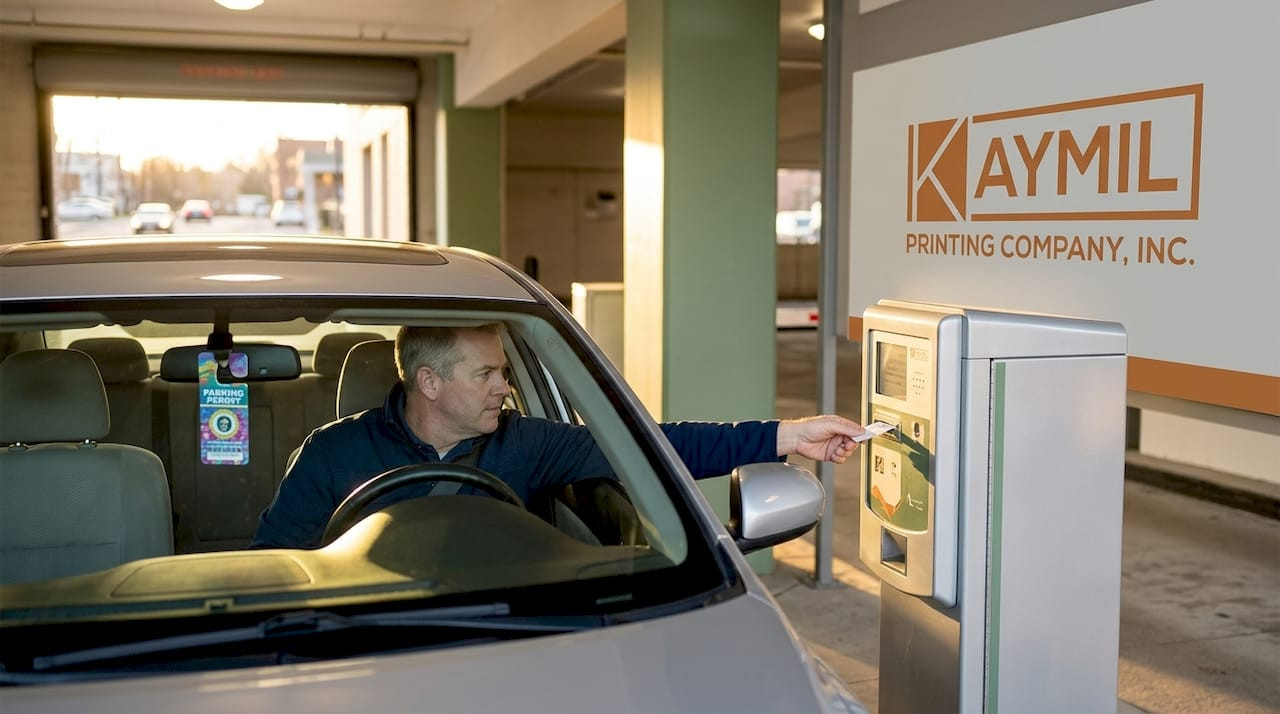
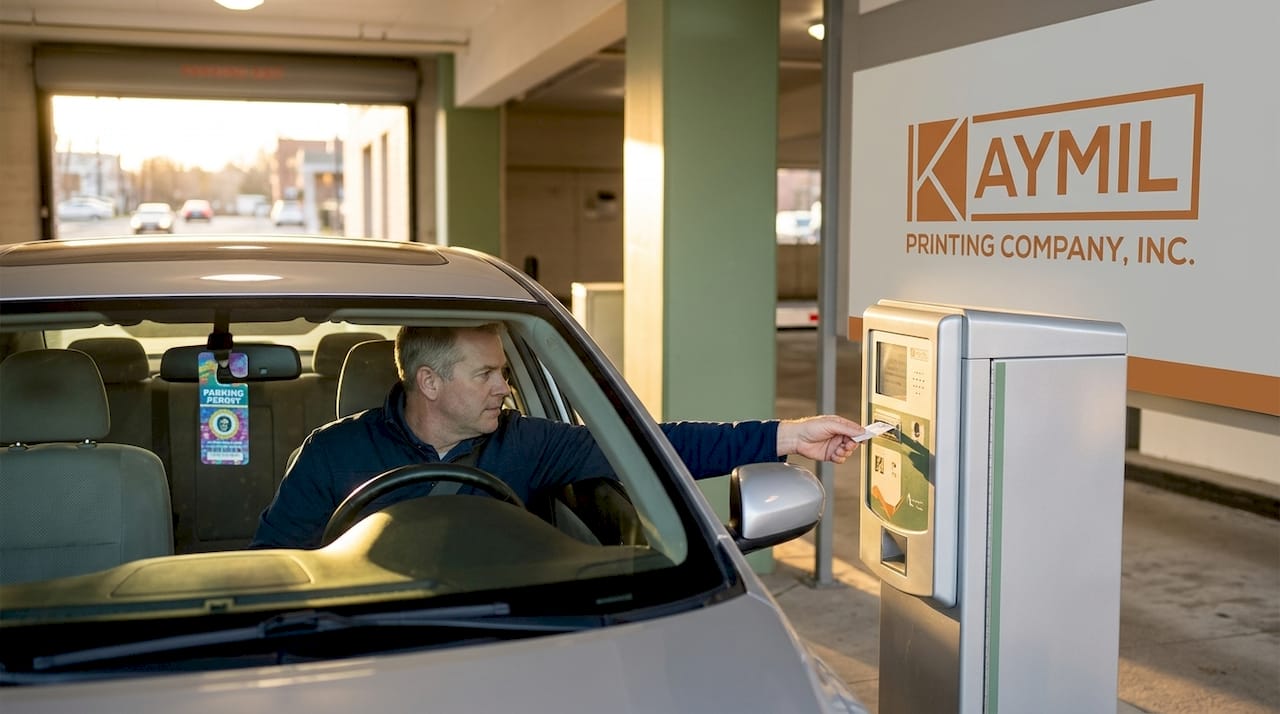
A parking machine ticket is the slip of paper or digital record your vehicle receives when entering a paid parking facility. At a traditional parking garage, you press a button at the entry lane and a ticket dispenser spits out a time-stamped ticket. You hold onto that ticket, and when you leave, you either pay at an exit kiosk or at a pay station inside the garage before returning to your car.
The ticket itself serves as your proof of entry and your payment record. Lose it, and most facilities charge you the maximum daily rate. That is not a penalty, it is simply how the system accounts for unknown entry times.
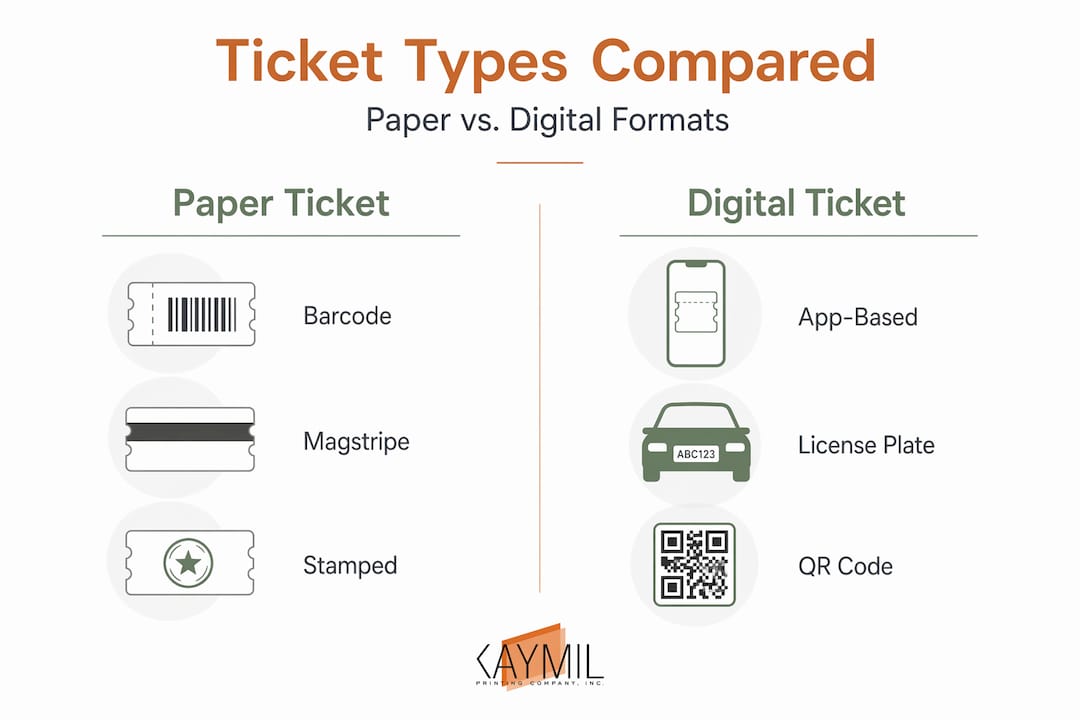
The main types of tickets issued by parking machines
Different facilities use different ticket formats, and knowing which type you are dealing with helps you use the system correctly.
- Paper roll tickets are the most common format for surface lots and older garages. They print on thermal paper and typically show entry time, date, and a ticket number.
- Barcode tickets are used in higher-traffic garages where speed and accuracy matter. Barcode validation tickets improve exit speed and reduce fraud by linking each ticket to a unique scan code that the exit gate reads automatically.
- Magnetic stripe tickets store data on a thin magnetic strip along the back of the ticket, similar to a hotel key card. These are common in older automated systems.
- Digital or ticketless parking eliminates the physical ticket entirely. Instead, your license plate becomes your ticket, and your payment is tied to your plate number in the system.
- Valet parking machine tickets are a distinct category. These are typically machine-issued valet tickets with sequential numbering, barcodes, and sometimes multi-part carbonless formats so both the driver and the attendant have matching records.
Understanding what is a parking ticket system starts with knowing which of these formats a facility uses. Each format pairs with specific equipment and software, so the procedure for paying and exiting is slightly different at every location.
Payment options for your parking ticket
Paying for a parking machine ticket is rarely as straightforward as people expect. Facilities and municipalities have different systems, and the payment method that works at one location may not be available at the next. Here is a clear breakdown of your main options.
-
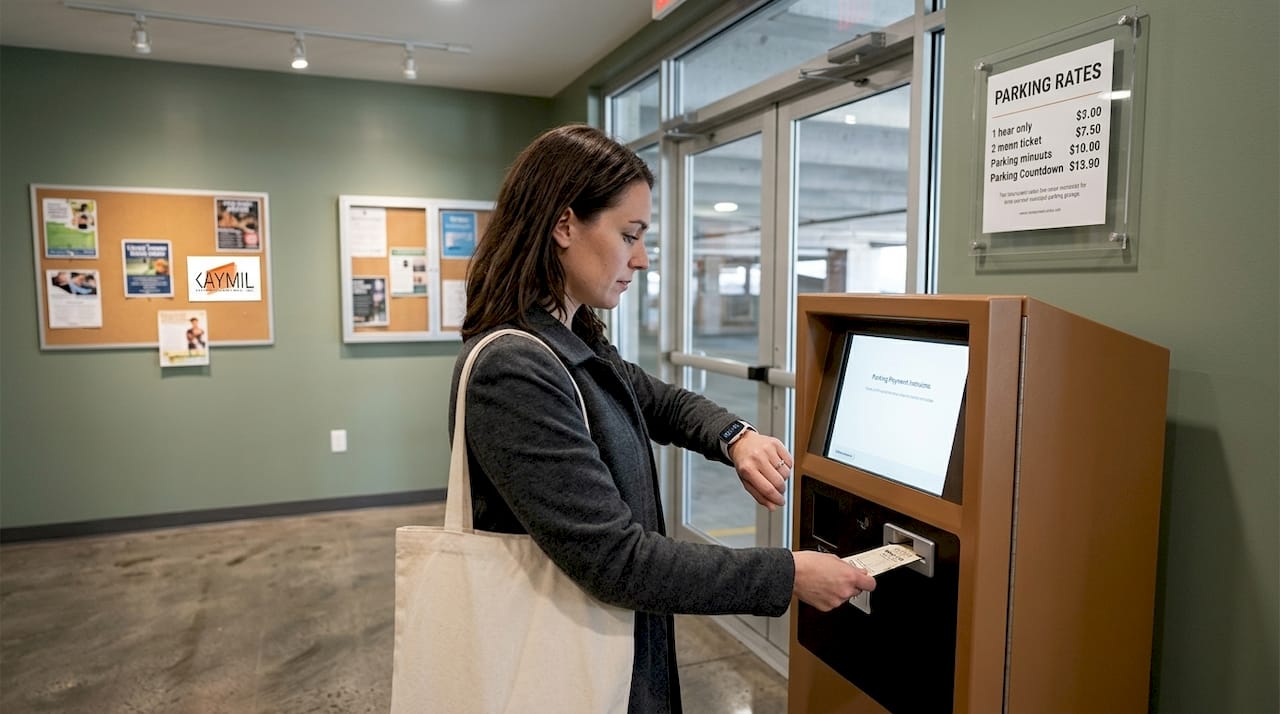
Pay at the kiosk or exit machine. Most garages have a pay-on-foot station inside the facility. You insert your ticket, the machine calculates your fee, and you pay before walking back to your car. Accepted payment types vary. Most modern kiosks accept credit and debit cards. Some still accept coins or bills, but coin slots on some kiosks may be deactivated even when visible, so card payment is the safest default.
-
Pay via mobile app. Many cities and parking operators partner with apps like ParkMobile or their own proprietary platforms. You enter your license plate and parking zone, pay through the app, and your record is stored digitally. Convenience fees for digital payments range from $0.35 to $3.95 depending on the system, so factor that in when choosing this option.
-
Pay through an online portal. Municipal parking citations can usually be paid through the city’s website. This is the fastest option for violations because you get instant confirmation and no postmark concerns. It also creates a digital payment record you can reference if a dispute arises.
-
Mail-in payment. Some people still prefer to mail a check. If you go this route, the postmark date on mailed payments is your proof of compliance. Mail it before the deadline and you are protected, even if it arrives late. That said, online payment is preferable because it eliminates any timing uncertainty.
Pro Tip: Before you insert a card or dig for coins, read the full list of accepted payment methods on the machine. Payment instructions are typically posted on a sticker on the kiosk itself, and they will tell you exactly what the machine accepts at that location. Following the facility’s system rather than assuming the most effective payment method is the one you prefer will save you frustration.
Knowing the payment deadlines is just as important as knowing the method. 21-day payment windows are standard for municipal parking citations, and late fees are commonly added after that window closes. Cambridge, Massachusetts increased expired meter fines from $30 to $40 in 2026, and that trend is happening in cities across the country.
Modern trends in parking ticketing systems
The physical parking machine ticket is not going away, but it is evolving rapidly. Several trends are reshaping the experience for everyday drivers.
- License plate recognition (LPR) is the biggest shift. Many systems now require users to enter their license plate number at a kiosk or through an app, which ties payment to the vehicle rather than a physical ticket. When you exit, a camera reads your plate and the gate opens automatically if your payment is on file.
- Mobile app integration means your phone can serve as both your ticket and your receipt. Some systems let you extend your parking session remotely, which is especially useful if a meeting runs long.
- Integrated backend software links permits, payments, and citations to a single vehicle record. Integrated parking systems track vehicles, payments, and permits to create comprehensive digital records, which makes disputing a ticket or proving payment much easier.
- Hybrid systems mix physical ticket dispensers at entry with app-based or kiosk-based payment at exit. These are common in larger urban garages where operators want backup options in case technology fails.
One practical change for drivers is in how enforcement works. Enforcement staff using handheld devices can scan license plates and instantly check payment status against the central parking system. That means simply having a receipt in your pocket is no longer enough at LPR-enabled facilities. Your payment must be registered in the system against your actual plate number.
Cost is also driving the shift toward apps. Installing parking kiosks averages $12,000 per unit, plus ongoing subscription fees. Smaller municipalities are turning to mobile app solutions to avoid that capital expense, which is why you see more app-only lots appearing in smaller towns and college campuses.
Common issues and how to avoid them
Even with a good understanding of the system, things go wrong. Here is what drivers most commonly get wrong and how to handle it.
Mistakes people make at the machine
- Assuming the kiosk accepts cash when it only takes cards
- Entering the wrong license plate number, which breaks the payment link in LPR systems
- Forgetting to take the paid ticket or receipt to the exit gate
- Paying at the wrong machine in a garage with multiple pay stations
- Letting the paid time expire before reaching the exit in high-traffic garages
How to dispute a ticket effectively
If you receive a ticket you believe is wrong, act quickly. Unpaid violations after 28 days can incur extra fees and, at institutions like universities, may block class registration or vehicle registration renewal. For disputes, gather evidence first. A payment confirmation email, a timestamped app receipt, or a credit card statement showing the transaction all carry weight. Submit your dispute through the official channel listed on the ticket, not through the machine itself.
Pro Tip: If you pay via app, screenshot your confirmation immediately. App receipts can be hard to locate later if you switch phones or the app updates. A screenshot saved to your camera roll is your fastest proof in any dispute.
Accessibility and usability at kiosks
Not all kiosks are easy to use. Screen glare, small text, and confusing interfaces are common complaints. If you have difficulty using a machine, look for a call button or help number posted on the unit. Many cities have live support lines specifically for parking kiosk issues, and using them creates a timestamped record of your attempt to comply.
My take on parking machine ticket systems
I have spent years watching parking technology change, and the single thing that surprises most drivers is how much responsibility has shifted onto them. Old systems were passive. You took a ticket, paid cash, and left. Modern systems demand accuracy. You need to enter the right plate number, pick the right app, pay before the session expires, and keep your digital receipt.
What I see most often is drivers treating every parking lot like it works the same way. It does not. A garage running a SKIDATA or Amano system has a completely different user flow than a surface lot running ParkMobile. The parking system ticket compatibility matters more than most people realize. A ticket printed for one system will not work in another.
My honest advice: spend 60 seconds reading the instructions at the machine before you do anything else. The cities and operators that have invested in modern ticket parking machines have generally made them user-friendly. The confusion usually comes from drivers who skip the instructions and default to habits from the last parking lot they used.
The shift to digital is real and largely positive. It means fewer lost tickets, faster exits, and cleaner dispute resolution. But it also means that if you enter your plate incorrectly or forget to link your payment to your actual vehicle, the system has no way to know you paid. That is a problem you own, not the facility.
— Richard
How Caymil supports parking operations
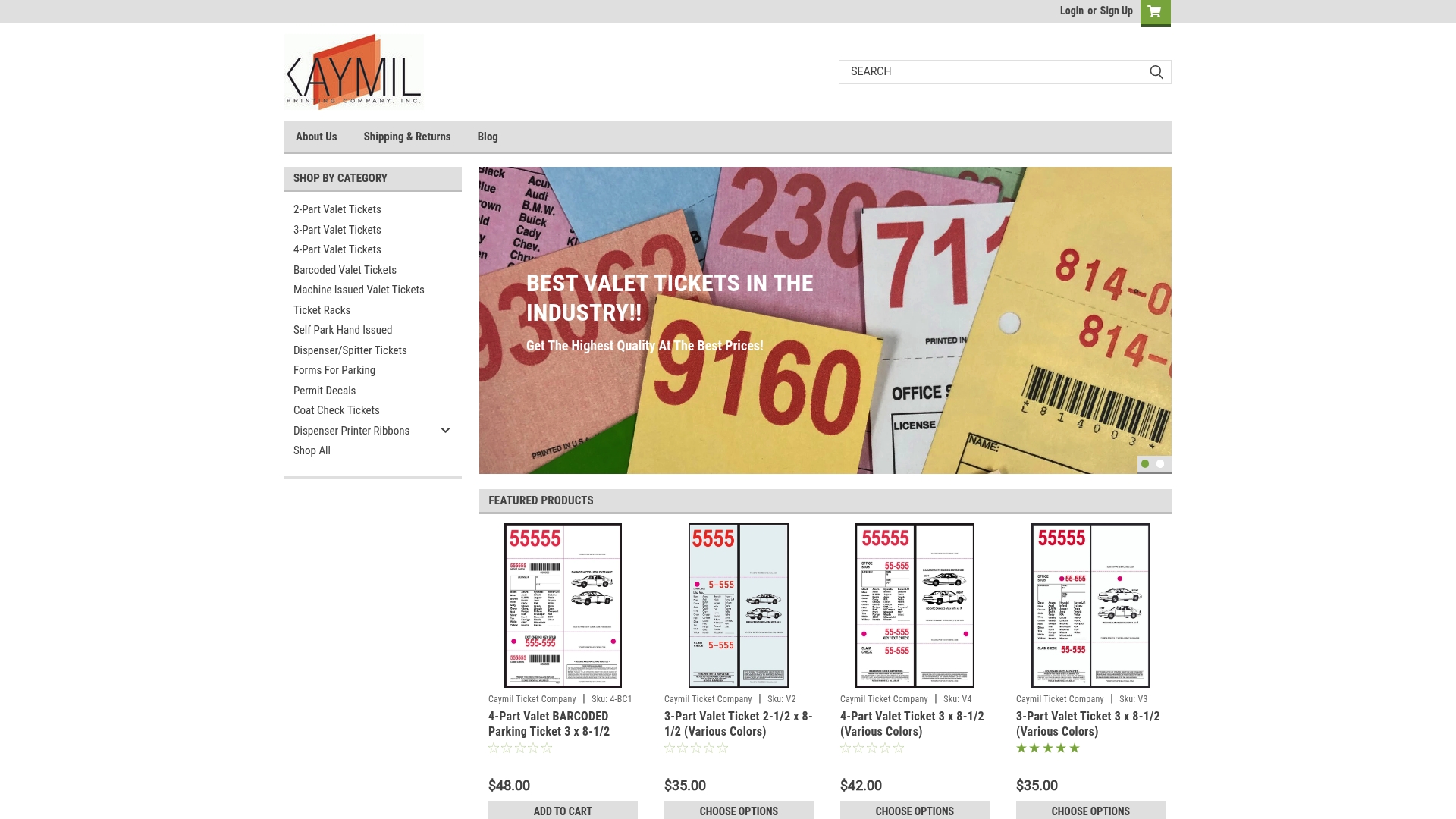
For parking operators, facility managers, and valet services, having the right ticket stock is as important as having the right software. Caymil has manufactured high-quality parking ticket rolls, barcode valet parking tickets, dispenser spitter tickets, and custom-printed parking forms since 1937. Whether your operation runs on Amano, TIBA, SKIDATA, FLASH Parking, or another major platform, Caymil produces tickets built to work with your system. With options for sequential numbering, custom logos, security features, and multi-part carbonless formats, Caymil gives operators the tools to keep revenue tracking clean and parking control tight. Explore the full range of parking forms and ticket products to find stock or custom solutions that fit your facility.
FAQ
What is a parking machine ticket?
A parking machine ticket is a paper or digital record dispensed by an automated entry device at a paid parking facility. It records your entry time and serves as the basis for calculating your parking fee at exit.
What payment methods do parking ticket machines accept?
Most parking kiosks accept credit and debit cards, and many support contactless payment. Some accept cash, but coin slots may be inactive, so checking posted instructions before paying is advisable.
How long do you have to pay a parking ticket before late fees apply?
Most municipalities use a 21 to 30-day payment window before late fees are applied. Some cities raised fines in 2026, making prompt payment more important than ever.
What happens if you lose your parking machine ticket?
Most facilities charge the maximum daily rate when a ticket cannot be produced at exit. Some systems can look up your entry record using a license plate number if the facility uses an integrated digital system.
Are there fees for paying parking tickets online or through an app?
Yes. Digital payment convenience fees typically range from $0.35 to $3.95 per transaction depending on the municipality and platform. Online portals often charge on the higher end, while regular app payments tend to be lower.
Recommended
- Parking Receipt vs Parking Ticket: Know the Difference - Caymil Printing Co., Inc.
- Parking ticket security: How to prevent fraud and protect revenue - Caymil Printing Co., Inc.
- The role of ticket dispensers in parking: A manager’s guide - Caymil Printing Co., Inc.
- How to Reduce Ticket Fraud in Parking Lots - Caymil Printing Co., Inc.