
Hit 98% Read Rates: Variable Data Parking Tickets Checklist
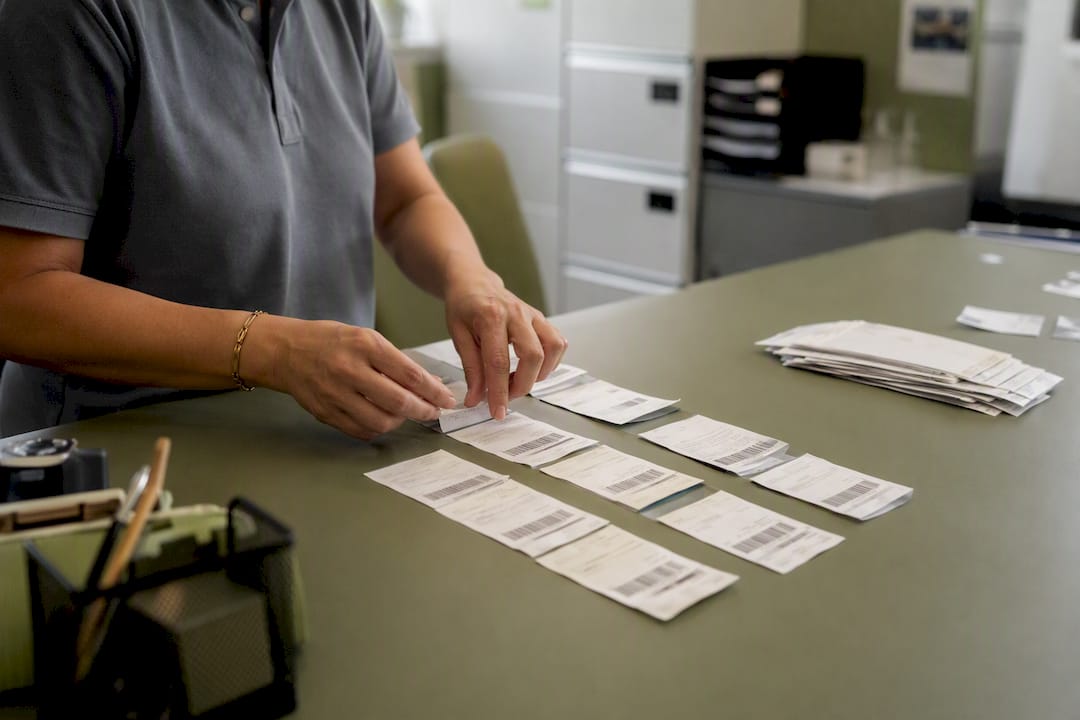
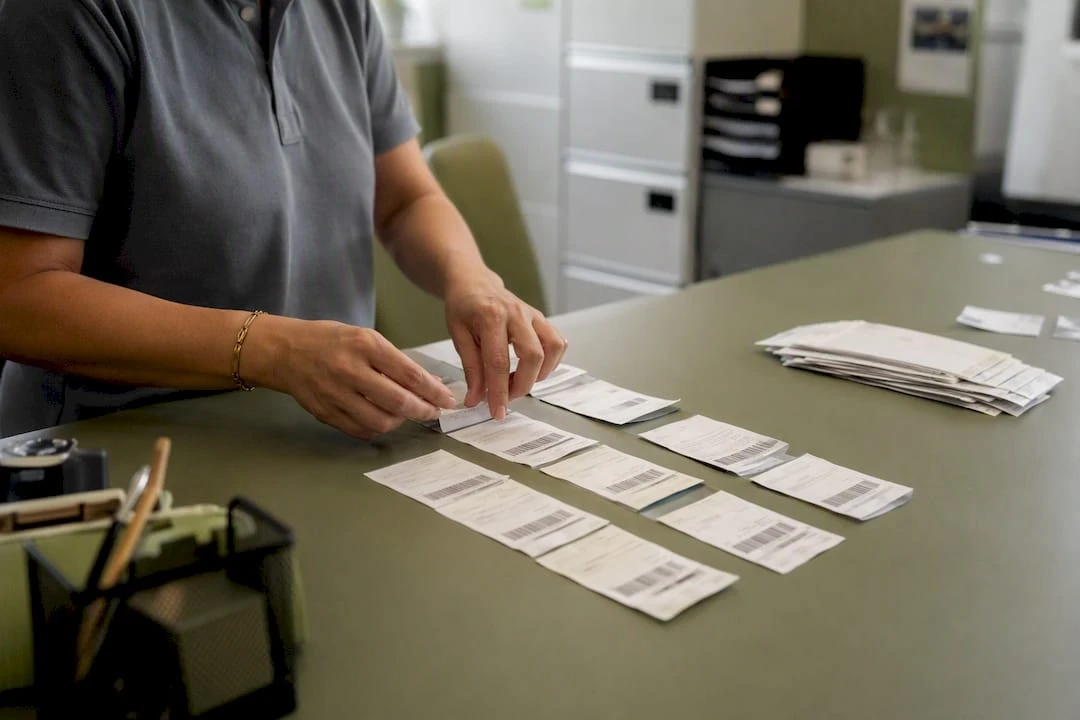
Variable data parking tickets are tickets printed with unique, individualized information at production time, such as sequential numbers, barcodes, magnetic stripe encoding, or RFID chips, so every ticket issued is distinct and traceable. For most operators, the strongest starting point is a barcode paired with sequential numbering on stock matched to your parking access and revenue control system (PARCS). Before you order, give your printer your exact system specs and request physical test samples first.
TL;DR:
- Barcode support must match your PARCS system’s accepted symbology, with Code 128 being a common standard for reliable scans.
- Print size, quiet zones, and layer compatibility are critical; testing actual gate readers with sample tickets prevents operational delays.
- Using sequential numbers with daily reconciliation provides cost-effective fraud prevention without extra hardware investments.
- Compatibility checks, including testing fixture samples on real equipment, are essential to avoid costly reprints and gate failures.
- Custom tickets tailored to your hardware typically have longer lead times; requesting samples upfront improves the rollout process.
Table of Contents
- What Are Variable Data Parking Tickets?
- Will Your Tickets Actually Work With Your PARCS?
- What Security Features Actually Stop Ticket Fraud?
- How Do You Write a Ticket Spec for Your Printer?
- How Do You Roll Out New Tickets Without Disrupting Operations?
- Why Ticket Specs Deserve More Attention Than They Get
- Order Variable Data Tickets Built for Your Exact Hardware
- Sources
- FAQ
What Are Variable Data Parking Tickets?
A “spitter” ticket that pops out of a gate kiosk carries far more than a printed number. It typically encodes a session identifier that your PARCS reads at exit, matches to a payment, and uses to trigger the gate. That identifier is the variable data, and choosing the right kind determines how reliably your equipment reads it, how easily your staff audits it, and how much fraud slips through the cracks.
Operators generally choose among four data carriers, each suited to a different mix of budget, throughput, and hardware capability.
- Sequential numbers are the simplest layer. Every ticket gets a unique, incrementing number, human-readable and machine-printed, useful for manual reconciliation even without a scanner.
- 1D and 2D barcodes (Code 128, QR codes) let entry/exit terminals read the ticket automatically and validate the paid transaction before the gate opens. Most mid-size garages land here.
- Magnetic stripe encoding stores more data and holds up well in high-cycle valet and garage environments where a ticket gets swiped repeatedly.
- RFID eliminates contact entirely, common in gated communities and premium garages where speed and access-control integration matter more than upfront cost.
Format matters as much as the data itself. Rolls suit automated kiosks; fanfold works for high-volume issuance; hand-issued and multi-part carbonless tickets fit valet stands needing a claim check plus a car tag. Thermal stock is fast and economical but fades over time in sun exposure; coated paper and synthetic stocks hold ink and barcodes longer in humid or high-traffic settings. Ticket rolls and barcode formats built for automated systems solve most of these tradeoffs in one product line.
Will Your Tickets Actually Work With Your PARCS?
A beautifully printed ticket is worthless if your gate reader can’t scan it or your pay station rejects the stripe. Before you place an order, confirm compatibility on both the hardware and the data side.
- Check symbology support. Ask your PARCS vendor which barcode symbologies its readers accept. Code 128 is common for compact numeric or alpha payloads, but not every reader supports every symbology, and mismatches cause silent read failures at the gate.
- Verify barcode sizing and read zone. Module size and quiet zone (the blank margin around the barcode) affect scan reliability. A barcode that’s technically correct but too small for your scanner’s optics will jam traffic during peak hours.
- Confirm magnetic track format. Magnetic stripe tickets typically follow ISO 7811 track specifications, but many PARCS manufacturers layer proprietary encoding on top, so confirm the exact spec with your system integrator.
- Check print mark and dimension tolerances. Kiosk sensors often look for a specific print mark or ticket edge to trigger feed and cut; dimensions outside spec cause misfeeds.
- Plan for LPR fallback. Many facilities now pair ticket-based identifiers with license plate recognition as a backup, so confirm whether your system expects that redundancy built into the workflow.
Pro Tip: Request a small fixture test batch before committing to a full production run. Run them through your actual gate readers and pay stations, not a demo unit, and track your read rate. A high read rate on a fixture test signals a well-matched spec worth approving before you print in volume.
Caymil’s PARCS-compatible ticket lines are built around exactly this kind of compatibility check, since sensor alignment and read-zone tolerances vary meaningfully between Amano, TIBA, SKIDATA, FLASH Parking, Scheidt & Bachmann, and Flowbird hardware.
What Security Features Actually Stop Ticket Fraud?
Lost-ticket fraud, duplicate scanning, and counterfeit stubs bleed revenue quietly, and most operators don’t notice until a reconciliation audit turns up a gap. Ticket security works in layers, and you don’t need every layer for every facility.
Overt, visible deterrents work well for staff and self-service checkpoints:
- Void pantographs reveal a hidden “VOID” pattern when a ticket is photocopied, killing the copy-and-reuse scam outright.
- Holograms and foil stamping are hard to replicate without specialized equipment, a strong deterrent for high-value garages and casino valet stands.
- Microprint lines that blur under a standard copier or scanner catch low-effort counterfeits immediately.
- UV or covert inks add a verification layer that’s invisible to the public but checkable by staff with a blacklight.
Machine-readable checks add a second line of defense. Barcode payloads with embedded check digits let your exit reader flag a corrupted or forged code before the gate opens, and encoded verification during printing catches encoding errors before tickets ever leave the production line.
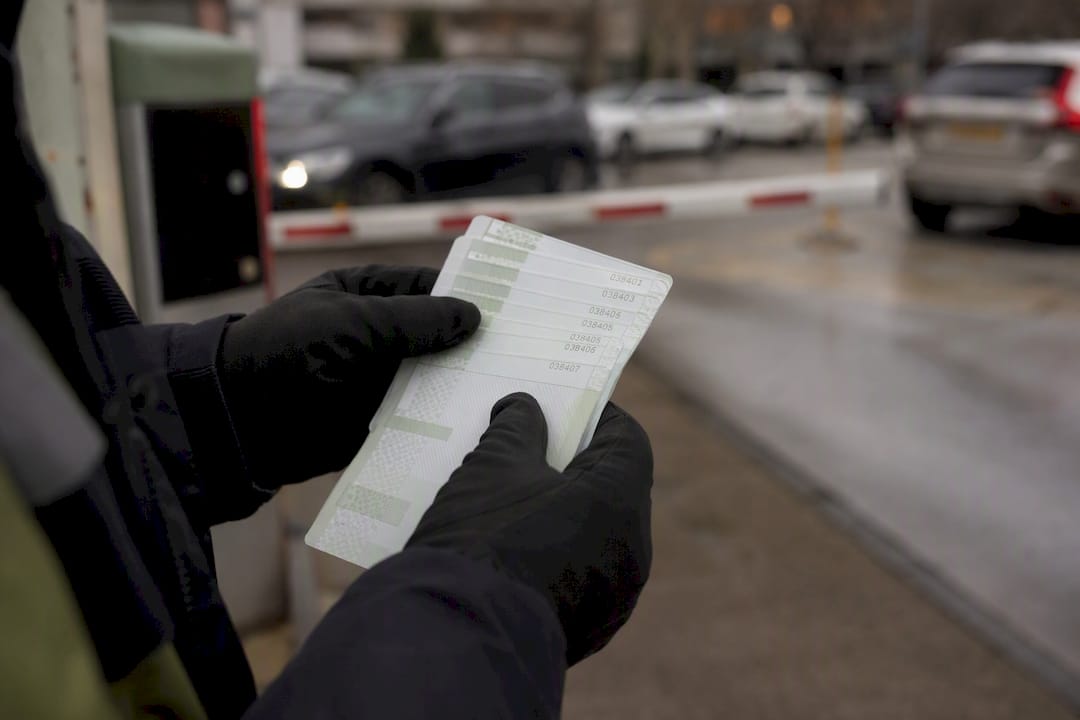
Sequential numbering is your cheapest fraud control, and often the most underused one. A daily reconciliation that matches issued ticket numbers against collected and voided tickets exposes gaps fast, sometimes the same shift they occur. Pair that with secure storage and documented custody procedures for blank stock, since a box of unaccounted sequential tickets is a bigger liability than a lost roll of tape. Caymil’s guide on preventing ticket fraud walks through how to layer these controls without overcomplicating daily operations.
How Do You Write a Ticket Spec for Your Printer?
Vague purchase orders cause delays. Give your printer a complete spec sheet up front and you’ll cut proof cycles from weeks to days.
Cover these fields in your initial request:
- Ticket size and stock type (thermal, coated paper, synthetic, carbonless)
- Part count (single, 2-part, 3-part, 4-part) if you need a claim stub or car tag
- Variable data format: starting number, increment, and total quantity
- Barcode symbology and exact payload structure your PARCS expects
- Magnetic stripe or RFID encoding specifications, including track format
- Logo artwork as vector files, not raster images that pixelate at print size
- Color matching, ideally by Pantone number, for brand consistency across reorders
- Numbering placement and human-readable backup text near the barcode
A few production details determine how smoothly the order moves:
- CSV files work best for sequential number ranges and any variable text fields.
- Vector artwork (PDF or AI format) prints cleanly at any size; JPEGs and PNGs often don’t.
- Always request a physical proof, not just a digital mockup, before full production runs.
Inline production lines that combine numbering with magnetic stripe encoding in a single pass cut down on mismatches between the visible number and the encoded data, a common source of exit-gate errors when the two steps happen separately.
Pro Tip: Order 10 percent over your expected quantity on your first run. Fixture testing, staff training, and normal misfeeds eat into stock faster than anyone expects, and reordering mid-rollout adds unplanned lead time.
Ask your vendor directly about minimums, lead times, and whether your volume qualifies for stock inventory versus a custom production run. Caymil’s practical guide for operators breaks down how those choices affect both cost and turnaround.
How Do You Roll Out New Tickets Without Disrupting Operations?
A smooth transition to new stock comes down to sequencing, not luck. Skipping steps here is how facilities end up with jammed kiosks on launch day.
- Verify samples before bulk production. Confirm barcode scans, magnetic reads, or RFID responses on your actual hardware, not a printer’s demo unit.
- Run fixture tests against a read-rate target. Aim for 98 percent or higher before approving the full run; anything lower means a spec revision is needed.
- Train staff on the physical ticket, not just the concept. Cover multi-part tear-off sequencing, what to do with a jammed feed, and how to handle a ticket that won’t scan at exit.
- Document exception handling. Staff need a clear process for lost tickets, damaged stripes, and manual overrides that still ties back to your sequential audit trail.
- Set reorder triggers before you run out. Track consumption against lead times and keep contingency stock on hand, since a stockout at a busy garage means turning away paying customers.
- Audit sequential numbering periodically. A monthly or quarterly check against issued, collected, and voided counts catches drift before it becomes a real loss.
Why Ticket Specs Deserve More Attention Than They Get
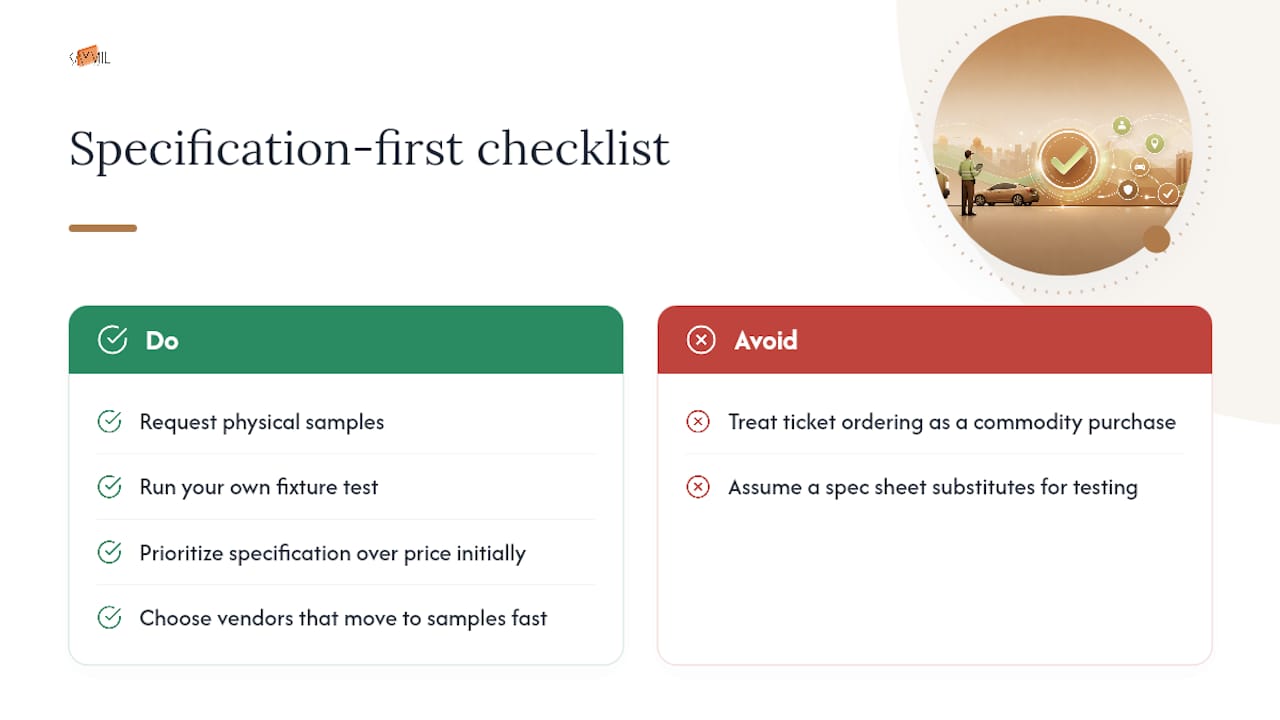
Most procurement teams treat ticket ordering as a commodity purchase: pick a size, pick a color, hit reorder. That mindset works fine until a barcode payload doesn’t match what your gate controller expects, and suddenly every third car is backed up at the exit lane while an attendant manually overrides the reader.
The real cost of a bad ticket order isn’t the reprint, it’s the operational disruption while you diagnose why. That’s why the specification conversation matters more than the price-per-thousand conversation, at least at first.
Caymil has manufactured ticketing products since 1937, which means the specification questions in this article aren’t theoretical. The company’s catalog spans valet tickets, barcode and magnetic stripe formats, machine-issued rolls, and multi-part carbonless stock, built for compatibility with Amano, TIBA, SKIDATA, FLASH Parking, Scheidt & Bachmann, and Flowbird systems. With millions of tickets in stock and nationwide shipping, Caymil can typically move from spec to sample fast, which matters when a facility can’t afford a week of guessing.
If you take one thing from this piece, request physical samples and run your own fixture test before you approve a production run. No spec sheet substitutes for watching a ticket actually clear your gate reader.
— Richard
Order Variable Data Tickets Built for Your Exact Hardware
Caymil manufactures tickets to your PARCS specifications rather than asking you to adapt your operation to a generic stock item, which means fewer failed reads and less gate-lane troubleshooting after your order arrives.
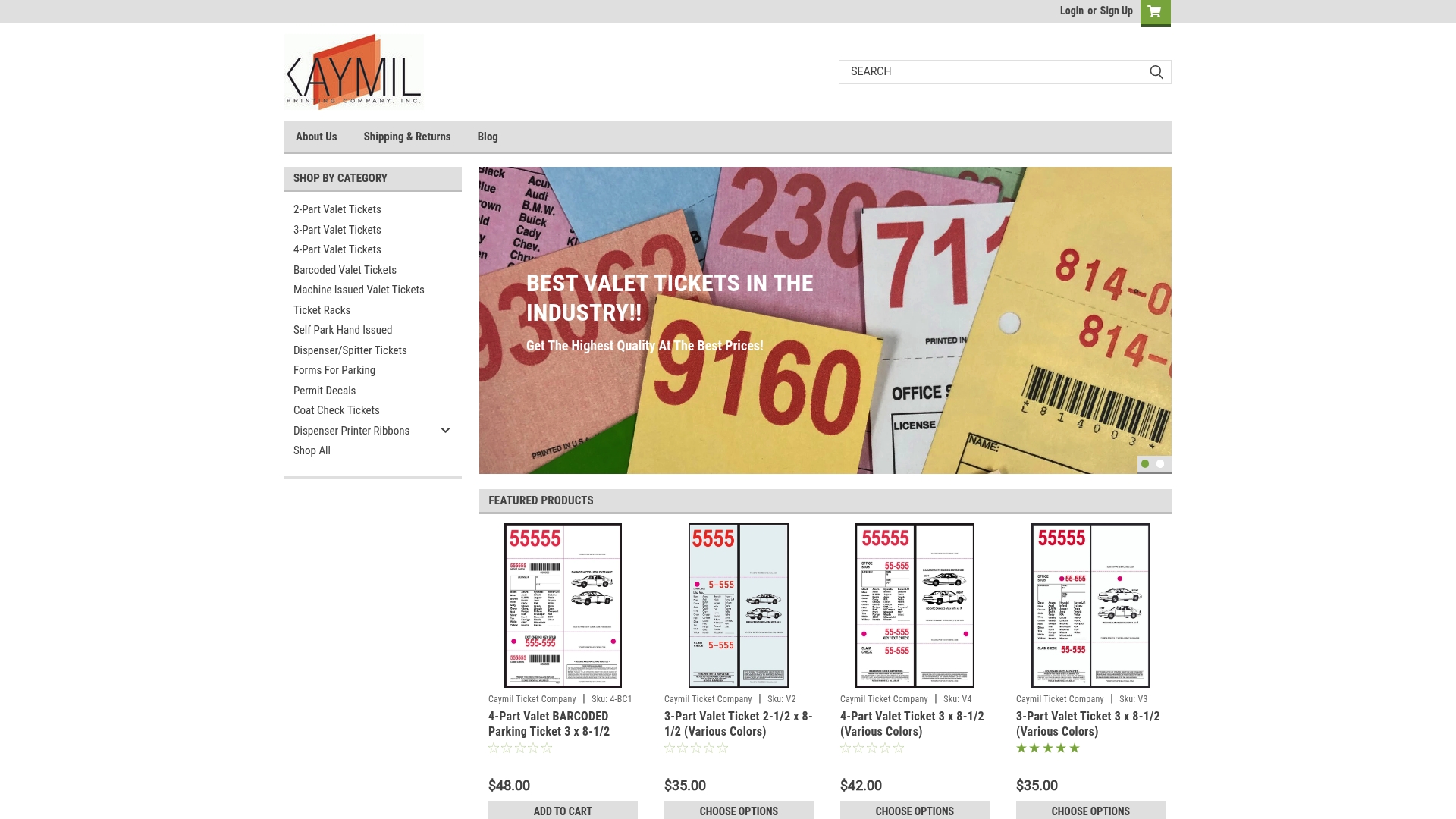
If your facility runs an automated kiosk setup, machine-issued valet tickets are built for the print marks and dimension tolerances those readers expect. Valet operations with a car tag and claim stub can choose between 2-part, 3-part, and 4-part formats, while garages standardizing on barcode-and-sequential-number tracking will find that combination on Caymil’s barcode valet parking tickets page. Facilities running Intermec-style printers can order compatible roll tickets sized to spec.
Lead times and minimums vary by format and whether you need custom artwork or stock inventory, so submit your PARCS specs early and request a physical proof before approving a full run. Start by browsing Caymil’s parking ticket forms and requesting a sample pack matched to your hardware.
Sources
- How Parking Payment Systems Work: Architecture and Data Flow | Parking Payment Guide
- Paragon Identification chooses the Domino K600i for printing magnetic stripe tickets
FAQ
What Is the Difference Between Stock and Custom Parking Tickets?
Stock tickets use pre-set sizes and generic layouts for fast turnaround, while custom tickets add your logo, colors, and specific variable-data formatting but typically require a longer production lead time and proof approval.
Which Barcode Type Works Best for Parking Tickets?
Code 128 is a common choice for compact numeric and alpha payloads because it balances read reliability with a small footprint, but the right symbology depends on what your specific PARCS reader supports.
Do I Need Magnetic Stripe or RFID Instead of Barcodes?
Barcode plus sequential numbering handles most garages well on cost and reliability, while magnetic stripe suits high-cycle valet use and RFID fits facilities prioritizing contactless speed and access-control integration.
How Long Does It Take to Get Custom Parking Tickets Printed?
Lead times depend on part count, quantity, and whether artwork and specs are finalized before ordering; requesting a sample proof early in the process is the biggest factor in avoiding delays.
What Security Features Should Small Operators Prioritize First?
Sequential numbering paired with daily reconciliation is the most cost-effective first layer, since it requires no special reader hardware and immediately exposes gaps between issued and collected tickets.