

What Is a Reserved Parking Permit? Types, Rules & How to Get One

A reserved parking permit is an official authorization that allows a specific vehicle to park legally in a designated restricted or reserved space, typically enforced by a government agency or private operator. Known formally as a parking authorization credential, this type of permit covers everything from residential street zones to disability-designated stalls to transit facility reserved spots. Without one, parking in a restricted area during regulated hours results in a citation. The three most common issuing bodies in the U.S. are municipal parking programs, state motor vehicle authorities, and transit agencies like BART.
What is a reserved parking permit and how does it work?
A reserved parking permit authorizes parking in restricted areas, often linked to a vehicle’s license plate, to prevent citations during restricted hours. The permit does not simply grant general parking access. It ties a specific vehicle to a specific zone, stall, or street segment under defined conditions.
The mechanics vary by program. Some permits are physical hang tags or decals displayed in the vehicle. Others are entirely virtual, registered to a license plate number in a municipal database. Cities like Tacoma have moved to electronic virtual permits linked to license plates, which eliminates the risk of paper permit misuse and reduces the administrative burden on enforcement officers. This shift reflects a broader trend in parking management toward digital verification.
What all reserved permits share is a common function: they grant legal standing to park where others cannot. That distinction matters most during peak hours, in dense urban neighborhoods, and at high-demand transit hubs where unrestricted parking is simply unavailable.
What are the different types of reserved parking permits?
Reserved parking permits fall into four primary categories, each with distinct eligibility rules, costs, and use cases.
| Permit Type | Who Qualifies | Typical Cost | Key Rules |
|---|---|---|---|
| Residential zone permit | Residents of a designated street or block | Low annual fee | Area-based, non-transferable, does not guarantee a specific spot |
| Disability reserved permit | Individuals with permanent certified impairments | Varies by state | Requires permanent certification, specific stall assignment |
| Business or university permit | Employees, students, or affiliates | Purchased annually | Non-transferable, must be displayed or registered |
| Transit facility reserved stall | General public via purchase | Starts at $4.50/day | Time-limited, purchased through official channels, non-transferable |
Residential permits are the most common type for individuals. They apply to a zone or block rather than a single stall, meaning the permit allows you to park on a designated street beyond the posted time limit, but it does not reserve a specific curb spot for you. Business and university programs, such as those run by San Diego State University, require official purchase through a transportation office and prohibit sharing or transferring permits under any circumstances.
Transit agency permits operate more like reservations. BART’s reserved parking program, for example, functions as a daily or monthly purchase with strict expiration rules. Miss your window, and the spot reverts to general availability.
Pro Tip: Before starting any application, confirm which permit category applies to your situation. Applying under the wrong type wastes time and may result in denial.
What are the common rules and restrictions for permit holders?
Holding a reserved parking permit does not exempt you from every parking rule on the books. This is one of the most misunderstood aspects of permit parking, and it is the most common reason permit holders still receive citations.
The City of Madison, Wisconsin, makes this explicit: permits do not override other posted parking restrictions. If a street has a meter, a street-cleaning schedule, or a maximum consecutive parking duration, your residential permit does not suspend those rules. You are still required to comply with every other sign on that block.
Key restrictions that apply across most programs include:
- Non-transferability. Permits are assigned to a specific vehicle. If you sell your car or buy a new one, you must apply for a replacement permit. Using a permit on an unregistered vehicle is a violation.
- No guaranteed spot. Madison’s residential program allows parking beyond time limits in a designated zone but does not reserve a specific curb space for any individual.
- Overnight and consecutive hour limits. Many programs cap how long a vehicle can remain parked without moving, even with a valid permit.
- Enforcement through plate-based systems. Virtual permits registered to license plates mean enforcement officers can verify compliance without ever approaching your vehicle.
Pro Tip: Read the full permit conditions document, not just the summary. The fine-print rules on consecutive hours and meter compliance are where most violations occur.
Who is eligible and what documents are required?
Eligibility for a reserved parking permit depends entirely on the permit type. There is no universal standard across U.S. municipalities, but the documentation requirements follow predictable patterns.
-
Residential permits require proof of residency at an address within the designated permit zone, a current vehicle registration showing that address or a secondary proof of residency, and a valid government-issued ID. Some cities, like Madison, also require that the block meet minimum occupancy thresholds before a permit zone is even established, which means majority resident support and a parking study are prerequisites.
-
Disability reserved permits carry the strictest eligibility criteria. Toledo, Ohio requires permanent disability certification from a motor vehicle authority and documented proof that no usable off-street parking is available at the applicant’s residence. Temporary impairments do not qualify. The Toledo Division of Traffic Management also reviews each application for safety and street conditions before approval.
-
Business and university permits require proof of affiliation, such as an employee ID, enrollment verification, or a business license tied to the property address. Fleet operators managing multiple vehicles typically need individual registration documents for each vehicle in the program.
-
Transit reserved stalls have the simplest eligibility: payment through an official channel. BART’s program requires purchase through its official portal, and permits are non-transferable between users.
Keeping your documentation current is not optional. Address changes, vehicle replacements, and expired certifications all trigger the need for permit updates. Letting any of these lapse puts your parking authorization at risk during renewal.
How to apply for a reserved parking permit
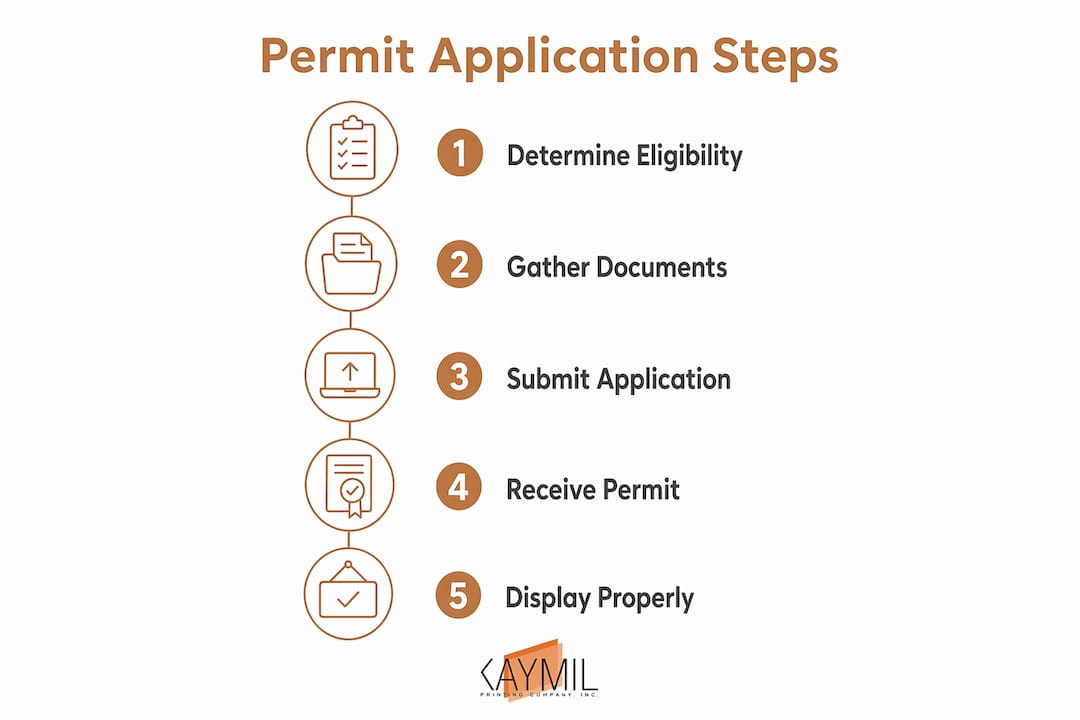
The application process varies by program, but the steps below reflect the standard approach used by most U.S. municipal and transit programs.
-
Identify the correct permit type and issuing authority. Check your city’s parking department website or transit agency portal. Applying to the wrong office is the most common delay.
-
Gather required documents. This typically includes vehicle registration, proof of residency or affiliation, and a government-issued ID. For disability permits, add permanent impairment certification.
-
Submit your application. Most programs now offer online portals. In-person and mail-based submissions remain available in cities like Boston and Tacoma for applicants without reliable internet access.
-
Pay applicable fees. Costs range from nominal annual fees for residential permits to daily or monthly charges for transit stalls. Some programs offer fee waivers for low-income applicants.
-
Receive and register your permit. Physical permits are mailed or available for pickup. Virtual permits are activated in the city’s plate-based system. Madison’s permit year runs September 1 through August 31, with applications opening in July and distribution beginning mid-August.
-
Plan for renewal. Most permits require annual renewal. Set a calendar reminder at least 60 days before expiration. Vehicle changes require a replacement permit, not a renewal, so notify your issuing authority immediately when you change vehicles.
If you manage parking for a business or property, reviewing temporary parking permit practices can help you design a program that covers both permanent and short-term needs.
What are the benefits of reserved parking permits?
Reserved parking permits deliver concrete advantages for both individuals and organizations, though the specific benefits depend on the permit type.
- Guaranteed access during restricted hours. Permit holders can park in designated zones without risk of citation, even when non-permit vehicles are prohibited.
- Reduced citation risk. Compliance with permit rules eliminates the primary source of parking fines in restricted zones.
- Disability accommodations. Reserved disability stalls are positioned for proximity and accessibility, providing a direct functional benefit that general permits do not offer.
- Business and campus efficiency. Universities like SDSU and employers with dedicated parking programs reduce employee commute friction by guaranteeing nearby parking access.
| Permit Type | Primary Benefit | Key Limitation |
|---|---|---|
| Residential | Park beyond time limits in your zone | No specific spot guaranteed |
| Disability | Accessible stall proximity | Permanent certification required |
| Business/University | Reliable employee or student parking | Non-transferable, annual cost |
| Transit reserved stall | Guaranteed spot until purchase expiration | Time-limited, daily or monthly fee |
One benefit that often goes unrecognized is the stress reduction in high-demand urban areas. Knowing you have authorized access to a zone removes the daily uncertainty of finding legal parking, which has measurable effects on commute experience and punctuality. For businesses managing employee fleets, that reliability translates directly into operational consistency.
Key takeaways
A reserved parking permit grants zone-specific or stall-specific parking authorization tied to a vehicle, not a person, and compliance with all other posted rules remains mandatory regardless of permit status.
| Point | Details |
|---|---|
| Definition is vehicle-specific | Permits authorize a specific vehicle in a specific zone, not a general parking right. |
| Rules still apply | Meters, time limits, and street-cleaning schedules are not overridden by a permit. |
| Eligibility varies by type | Residential, disability, business, and transit permits each require different documentation. |
| Application timing matters | Programs like Madison’s open months before the permit year; late applications risk gaps in coverage. |
| Virtual permits are standard | Plate-based electronic systems are replacing physical permits in cities like Tacoma. |
What I’ve learned from watching permit programs evolve
The single biggest mistake people make with reserved parking permits is assuming the permit does all the work. It does not. A permit is an authorization, not a shield. I have seen businesses invest in employee parking programs and then watch staff receive citations because no one read the consecutive-hour rules or the street-cleaning schedule.
The second issue is vehicle specificity. Permit programs are designed around license plates, not people. When an employee changes vehicles or a resident buys a new car, the permit does not automatically transfer. That gap, between vehicle change and permit update, is where violations happen most often. If you manage a fleet or a multi-unit property, build a vehicle change notification process into your operations before you need it.
For individuals, the most practical advice is to use official apps and portals where available. Cities that have moved to virtual permit systems often provide real-time status checks, renewal reminders, and vehicle update tools through their parking department websites. Using those tools proactively is far less expensive than resolving a citation after the fact.
One thing the official guides rarely emphasize: disability permit applications benefit from early engagement with the reviewing authority. Toledo’s Division of Traffic Management evaluates street conditions as part of the approval process. Submitting a complete application with all certifications upfront, rather than waiting for a request for additional documents, shortens the review timeline considerably.
— Richard
Manage your parking program with the right materials
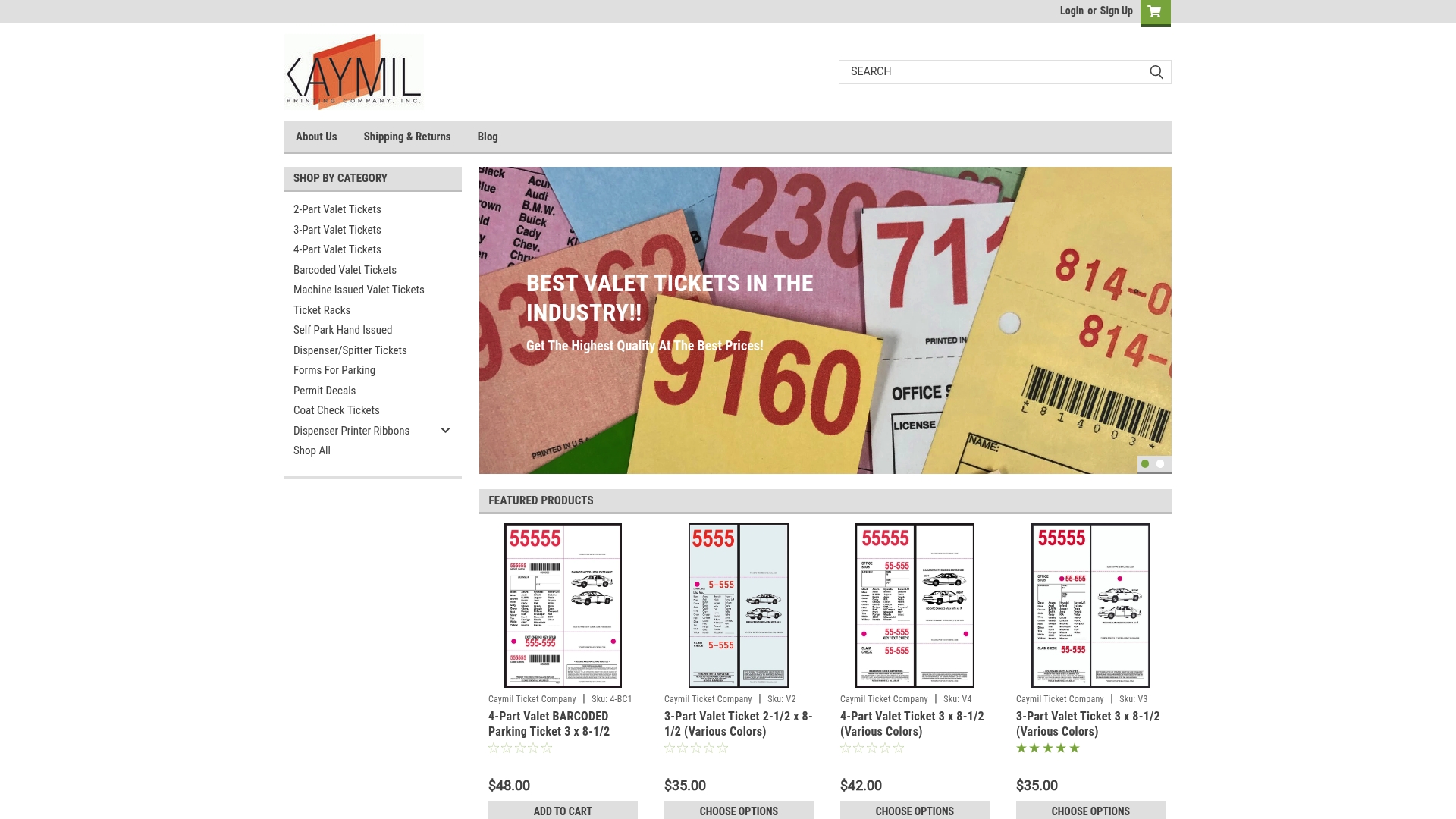
For property managers, parking operators, and businesses running reserved parking programs, having the right physical materials is as important as understanding the rules. Caymil has supplied custom parking forms, permit decals, and ticketing products to parking operations across the United States since 1937. Whether you need printed permit hang tags, carbonless multi-part forms, or barcode-enabled permit decals for a managed facility, Caymil’s parking forms and permit solutions cover the full range of program needs. You can also explore Caymil’s permit decal options for durable, customizable formats compatible with both residential and commercial programs. Fast nationwide shipping and decades of manufacturing expertise make Caymil the practical choice for operators who need reliable materials without delays.
FAQ
What does a reserved parking permit actually authorize?
A reserved parking permit authorizes a specific vehicle to park in a designated restricted zone or stall during regulated hours without receiving a citation. It does not override other posted parking rules such as meters or street-cleaning schedules.
Who needs a parking permit for reserved spaces?
Anyone parking in a zone marked as permit-only during restricted hours needs a valid permit. This includes residents in designated neighborhoods, employees at permitted business facilities, university students, and transit commuters using reserved stalls.
What are the requirements for a parking permit application?
Most programs require current vehicle registration, proof of residency or affiliation, and a government-issued ID. Disability permits additionally require permanent impairment certification from a motor vehicle authority.
Does a reserved parking permit guarantee a specific spot?
No. Residential permits allow parking beyond time limits within a designated zone but do not reserve a specific curb space. Only transit agency reserved stalls, such as those offered by BART, assign a specific parking space to the permit holder.
Can a reserved parking permit be transferred to another vehicle?
No. Most programs, including those in Madison, Tacoma, and SDSU’s campus system, treat permits as non-transferable. A vehicle change requires a replacement permit application, not a simple transfer of the existing credential.
Recommended
- What Is a Temporary Parking Permit? A Practical Guide - Caymil Printing Co., Inc.
- Real-world temporary parking permit examples and best practices - Caymil Printing Co., Inc.
- What Is a Monthly Parking Permit? Costs and Benefits - Caymil Printing Co., Inc.
- Hotel Parking Permit System Explained for Managers - Caymil Printing Co., Inc.