
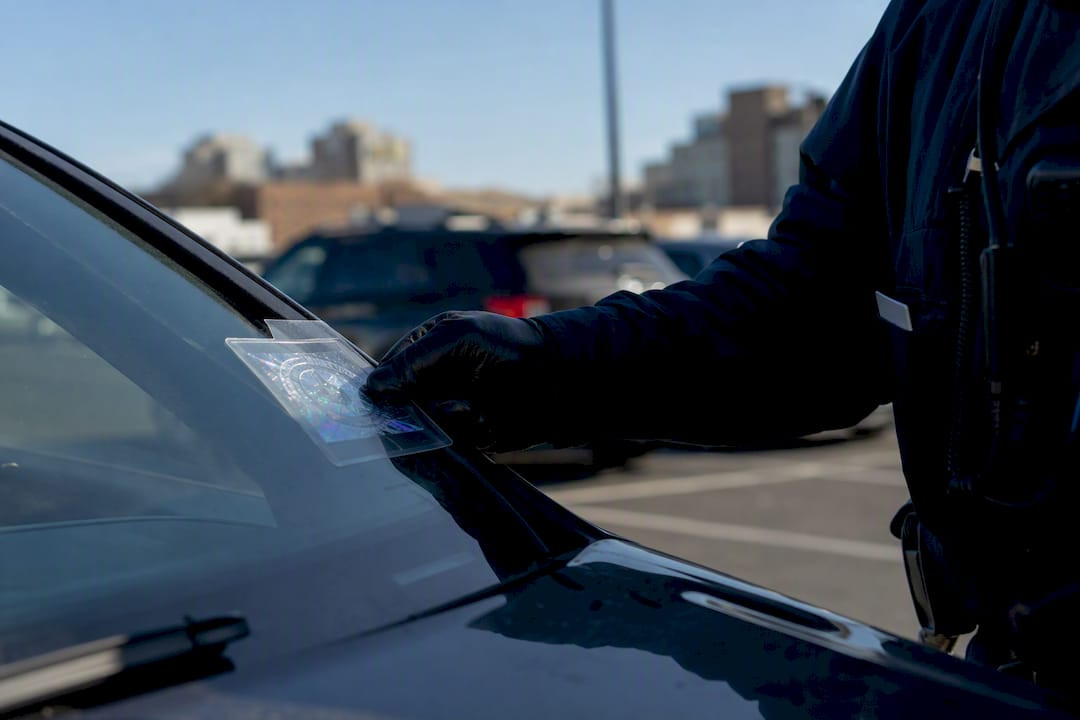
Fake Parking Permit Detection: A Field Guide for Officers
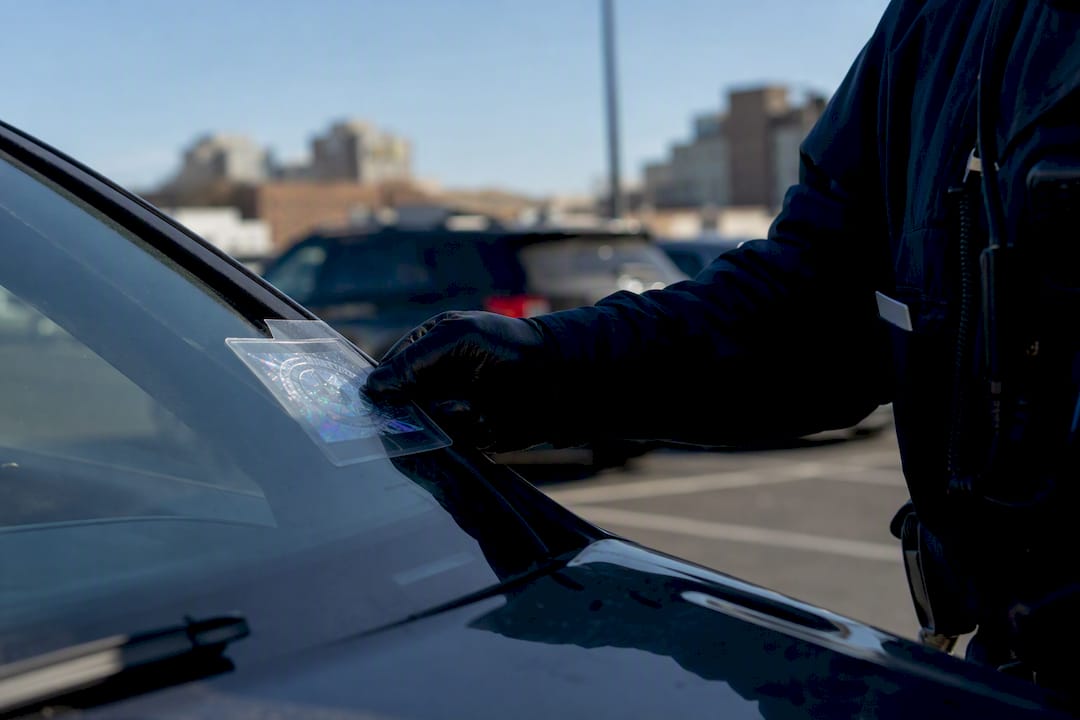
If a permit fails a visual check, a serial lookup, and a plate cross-reference, treat it as counterfeit until proven otherwise. That’s the working rule for fake parking permit detection, and it holds whether you’re patrolling a downtown garage, a hospital lot, or a university campus.
Run these checks before you write anything up:
- Material and edges. Genuine hang tags and stickers have consistent color saturation and clean die-cut edges. Photocopies show pixelation, faded ink, or curling laminate.
- Year and expiration. Altered permits often show a scratched-off or overprinted digit in the expiration year.
- Serial number. Cross-check the printed serial against your permit log or database in real time.
- Obvious duplication. Two vehicles displaying the same serial in the same lot on the same day is close to a guaranteed fraud signal.
If a permit clears the visual scan but fails the serial check, it’s still fraudulent. Never let a clean appearance override a database mismatch.
If two or more checks fail, photograph the permit, log the plate, and move to the full documentation process below before issuing a citation or contacting police.
Key Takeaways
Fake parking permit detection works when visual inspection, serial cross-checks, and secure print features are combined into one consistent field routine.
| Point | Details |
|---|---|
| Run the three-check rule | Verify material, serial number, and license plate match before writing a citation. |
| Photograph with context | Include the meter, zone signage, and vehicle, not just the permit close-up. |
| Verify placards through agencies | Confirm disabled placard status via DMV or issuing-agency records before seizure. |
| Cross-check the database daily | Enter suspected fakes into your log the same shift, not at week’s end. |
| Order secure-printed permits | Caymil’s sequential numbering and tamper-evident stock reduce photocopy and duplication fraud. |
This article is general information, not a substitute for advice from a qualified lawyer. Consult a qualified legal professional about your own circumstances before acting on anything here.
Table of Contents
- How to Spot Fake Parking Permits in the Field
- Verifying and Documenting a Suspected Fake Permit
- Technology That Helps Catch Counterfeit Permits
- Legal Boundaries and When to Call Police
- Reducing Permit Fraud Across Your Property
- Secure Printing Features Worth Requesting From Your Vendor
- Order Secure Permits That Make Fraud Easier to Catch
- Sources
- FAQ
How to Spot Fake Parking Permits in the Field
Most counterfeit permits fall into a handful of recognizable patterns, and once you’ve seen each one a few times, they stop being subtle.
Physical forgery is the most common. Someone scans a legitimate permit at high resolution, prints a copy, and either laminates it or slaps it on cardstock. Look for color drift, blurred barcodes, and a expiration year that looks slightly different in font or alignment from the rest of the print.
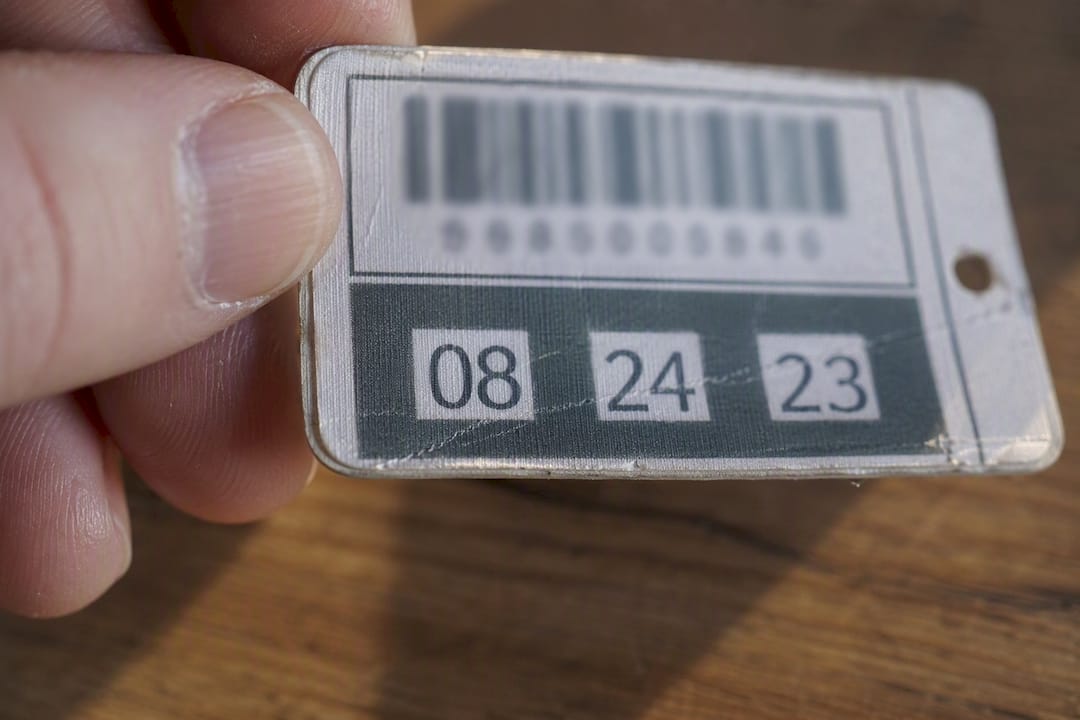
Reuse and duplicate hang tags show up constantly in residential and campus lots. A resident reports a permit “lost,” gets a replacement, and then keeps using the original too. You’ll spot this by running plate and serial cross-checks during routine sweeps. This pattern is well documented in common parking scams residents run, including “forever guest” registrations where a single guest slot gets recycled indefinitely for different vehicles.
Guest-permit abuse deserves its own mention. Properties that issue temporary guest passes without a frequency cap end up with the same serial rotating among multiple regular vehicles, none of whom qualify as an actual guest.
Fake disabled placards are a distinct and more serious category. Some are outright forged; others come from third-party services promising guaranteed approval, which is itself a fraud indicator since legitimate placards are issued only by state or local agencies after a documented medical evaluation.
Any placard sold outright, guaranteed for approval, or unlinked to an issuing agency’s record should be treated as a red flag, not a technicality.
Whenever you spot something suspicious, photograph the permit alongside the meter number, the vehicle, and any nearby signage. Context in the frame matters as much as the permit itself.
Verifying and Documenting a Suspected Fake Permit
A citation only holds up if the verification behind it does. Work through these steps in order every time:
- Visual inspection first. Check material, color, serial legibility, and expiration date against known genuine samples.
- Scan or check the QR/barcode. If the permit includes one, confirm it resolves to your property’s or municipality’s actual verification domain, not a lookalike page.
- Cross-check the database. Match the serial number against your permit management system or spreadsheet log in real time, not after the fact.
- Cross-reference the license plate. Confirm the plate matches the vehicle registered to that permit, especially for reserved or resident spaces.
- Photograph everything. Wide shot showing the vehicle and zone signage, a mid-range shot of the permit in place, and a close-up of the serial number or tamper marks.
- Record timestamp and officer ID. Most enforcement apps auto-stamp photos, but confirm your device’s location and time metadata are enabled before your shift.
- Preserve the physical item if confiscated. Bag or envelope it, label with date, location, and officer name, and log the handoff to property management or law enforcement.
Photographs with reliable timestamps and officer identification do more than support a citation. They strengthen the evidentiary record if a dispute reaches a hearing or civil court, since documented permit fraud cases consistently show that photo and metadata trails are what separate an enforceable case from a shrug.
Pro Tip: Log every suspected fake permit into your incident system the same shift you find it, not at end of week. Delayed entries lose context, and patterns across multiple vehicles are much easier to spot when the data is fresh.
If you encounter a QR code on a meter or permit that looks tampered with or slightly off-brand, don’t scan it to “check.” Use the kiosk’s built-in card reader or an official app instead, since the physical reader can’t be swapped by a sticker the way a QR code can.
Technology That Helps Catch Counterfeit Permits
Detection technology works best as a complement to trained eyes, not a replacement for them.
- License plate recognition (LPR/ALPR) flags plates that don’t match any active permit record and can build a pattern history over time, catching vehicles that rotate between different fake permits in the same lot. Detection accuracy depends heavily on training data quality and camera placement, so expect a tuning period before results stabilize.
- QR and barcode verification should always resolve to a domain you recognize. The parking meter QR sticker scam works by overlaying a fake code that redirects to a convincing payment page, so train staff to glance at the URL before entering any card details.
- Virtual, plate-anchored permit systems remove the physical object from the equation entirely. There’s nothing to photocopy or laminate when the permit exists only as a database entry tied to a plate.
- Secure print features like sequential numbering, holograms, and tamper-evident laminate raise the bar for forgery but don’t stop database-level fraud like duplicate registrations.
- Trade-offs are real: full LPR rollout carries upfront cost and raises privacy questions, network outages can strand database checks mid-shift, and false positives from worn or dirty plates still happen.
Legal Boundaries and When to Call Police
Enforcement authority has limits, and disabled placards carry the strictest rules of any permit category.
- Verify before you seize. Disabled placards are issued by official state or local agencies, and in many jurisdictions officers must confirm status through DMV or issuing-agency records before confiscating one, not just on visual suspicion.
- Know your municipal code. Cities routinely write specific language criminalizing counterfeit permits, as seen in San Francisco’s transportation code covering both fraudulent display and false statements on permit applications.
- Escalate to police for forged medical documents or suspected placard fraud. These cases often involve criminal statutes beyond simple parking violations.
- Document probable cause carefully. A citation or seizure that skips this step is far more likely to get thrown out or contested successfully.
A permit that looks fake and a permit that’s legally proven fake are two different things. Bridge that gap with agency verification, not assumption, especially for disabled placards.
Reducing Permit Fraud Across Your Property
The properties with the least fraud usually made a handful of structural decisions early, not dozens of small enforcement tweaks later.
- Move toward virtual or plate-anchored permits where your parking management system supports it. This closes the photocopy loophole permanently.
- Specify sequential serials, tamper-evident material, and a hologram or microprint feature on any physical permits you still issue, similar to the secure permit and hang tag options many operators use for garage programs.
- Cap guest-permit frequency and log guest history so the same serial can’t rotate through a dozen vehicles unnoticed.
- Schedule regular audits and expired-permit sweeps rather than waiting for complaints to trigger a review.
Pro Tip: Run one unannounced audit per quarter using LPR or a manual plate check against your active permit list. Fraud patterns almost always show up as clusters, not isolated incidents.
Secure Printing Features Worth Requesting From Your Vendor
The physical permit itself is often the weakest link in an otherwise solid detection process, which makes print specifications a real enforcement decision, not just a design one.
- Sequential numbering paired with a permit database closes the “lost and replaced” loophole, since a duplicate serial becomes instantly visible.
- Barcode or QR integration speeds up field verification when officers can scan instead of manually typing serials, as outlined in how barcode tickets improve garage efficiency.
- Tamper-evident laminates and microprint make low-effort photocopying visibly obvious under normal lighting.
- Custom colors and hologram elements give patrols a fast visual reference that’s difficult to replicate without specialized equipment.
- Ask any supplier directly about compatibility with your existing system, whether that’s Amano, TIBA, SKIDATA, FLASH Parking, Scheidt & Bachmann, or Flowbird, along with their reissue-control process for lost permits.
Field Perspective: Balancing Cost Against Detection Speed
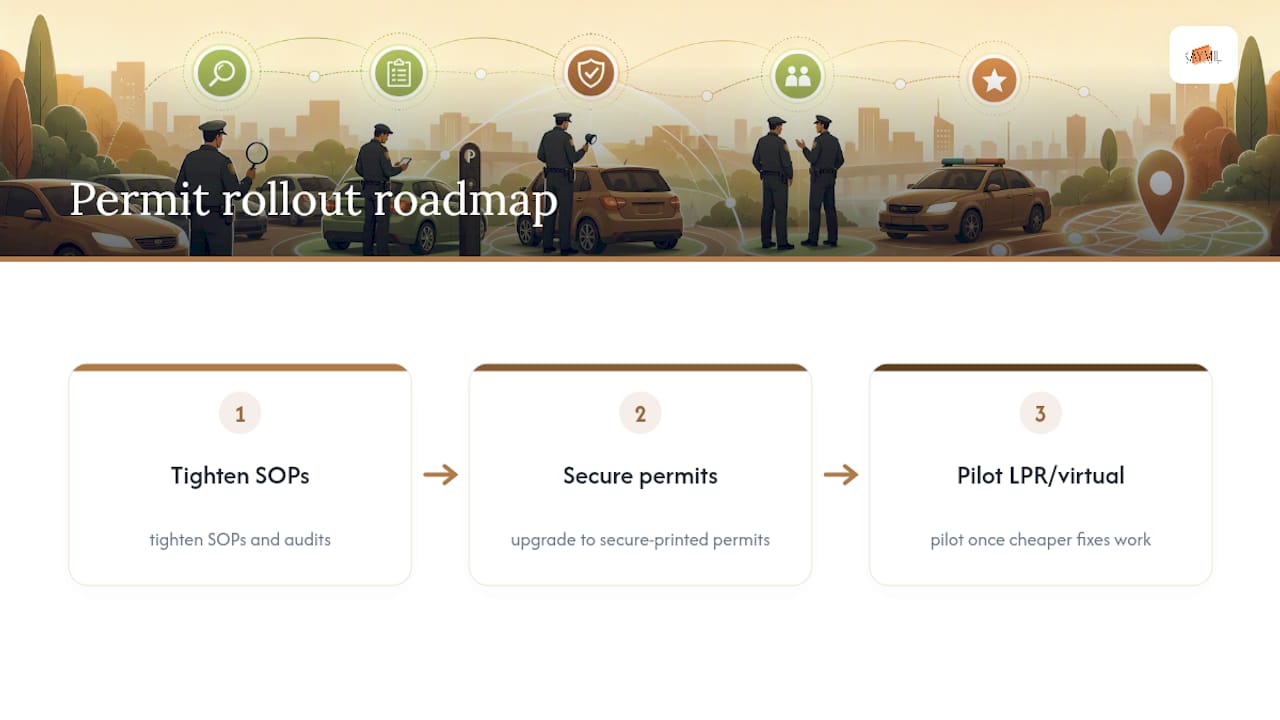
Full LPR rollout costs more than most properties want to spend upfront, while secure hang tags cost little and stop casual forgery immediately. The realistic roadmap: tighten your SOPs and audits first, upgrade to secure-printed permits next, then pilot LPR or virtual permits once the cheaper fixes are already working.
Order Secure Permits That Make Fraud Easier to Catch
Caymil gives enforcement teams something a photocopy-prone system never can: a permit that’s harder to fake and faster to verify. Sequential numbering, barcode integration, and tamper-evident materials come standard on Caymil’s permit hang tags and validation stock, and every format is built to work with the parking systems you’re already running, including Amano, TIBA, SKIDATA, FLASH Parking, Scheidt & Bachmann, and Flowbird.
If your current permits are getting photocopied or duplicated faster than you can catch them, the fix usually isn’t more enforcement hours. It’s a print specification change. Request a sample order through Forms For Parking and test the tamper-evident features against your own lot before committing to a full reorder.
Sources
- The Parking Meter Sticker Scam: Spot a Fake QR Code in 5 Seconds
- Counterfeit Handicap Placards & Fake Medical Certifications
- Disabled parking pass detector for license plate recognition parking system using a convolution neural network and transfer learning
- 5 Common Parking Scams Residents Use (And How to Stop Them)
- SEC. 7.2.50. DISPLAYING FRAUDULENT PARKING PERMIT OR SUBMITTING FALSE, MISLEADING OR FRAUDULENT INFORMATION ON A RESIDENTIAL PARKING PERMIT APPLICATION.
FAQ
How Can I Identify a Fake Parking Violation Notice?
Check for inconsistent fonts, missing municipal seals or department contact information, and payment instructions that route to a nonstandard website rather than the official portal.
Do People Actually Create Fake Parking Permits?
Yes. Common methods include high-resolution photocopying, altering the expiration year on a genuine tag, and reusing “lost and replaced” hang tags for multiple vehicles.
What Happens if You Don’t Pay a Parking Ticket?
Unpaid tickets typically escalate to late fees, a hold on vehicle registration renewal, and eventually referral to collections or a boot in repeat cases, depending on local ordinance.
What Happens if You Fraudulently Use a Disabled Parking Placard?
Municipal codes commonly treat fraudulent placard use as a citable or criminal offense, since genuine placards require agency-issued medical certification, and confirmed cases often escalate beyond a standard parking fine to formal fraud charges.
Can Secure-Printed Permits Really Reduce Fraud?
Sequential serials, tamper-evident laminate, and barcode integration make casual photocopying and duplication far easier to catch during routine verification, which is why suppliers like Caymil build these features into standard permit stock.