
Common Parking Control Mistakes Operators Must Fix
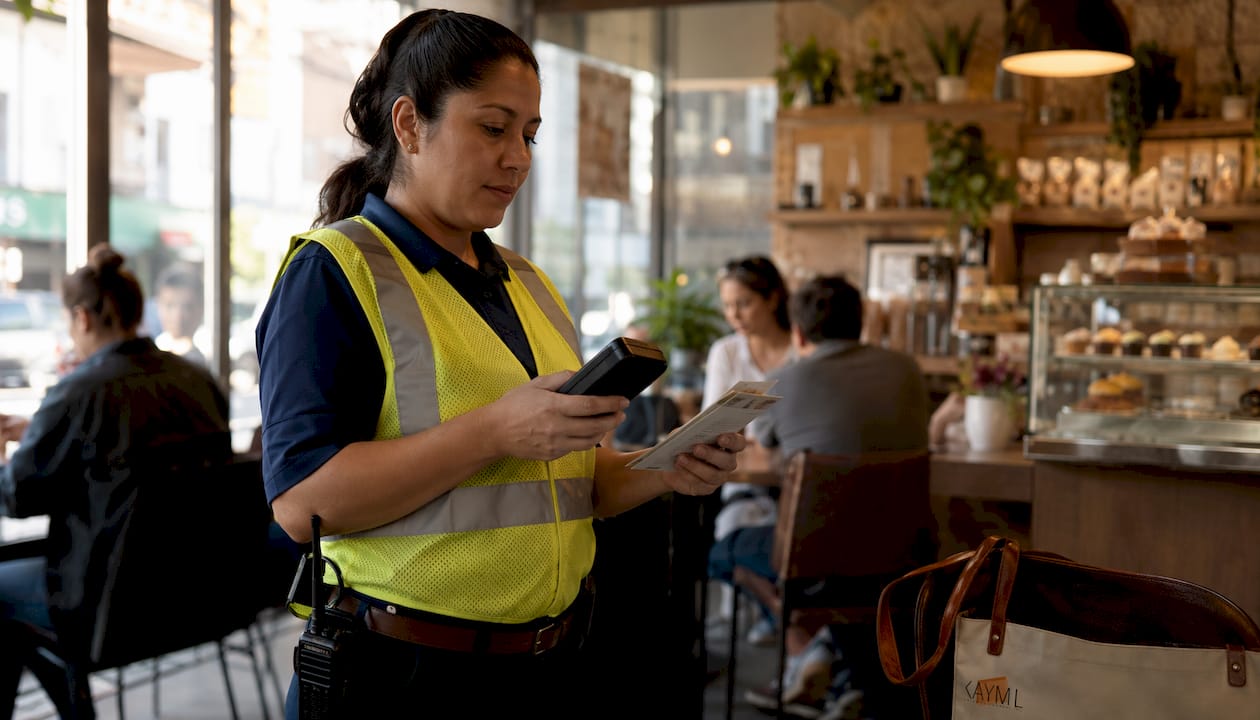
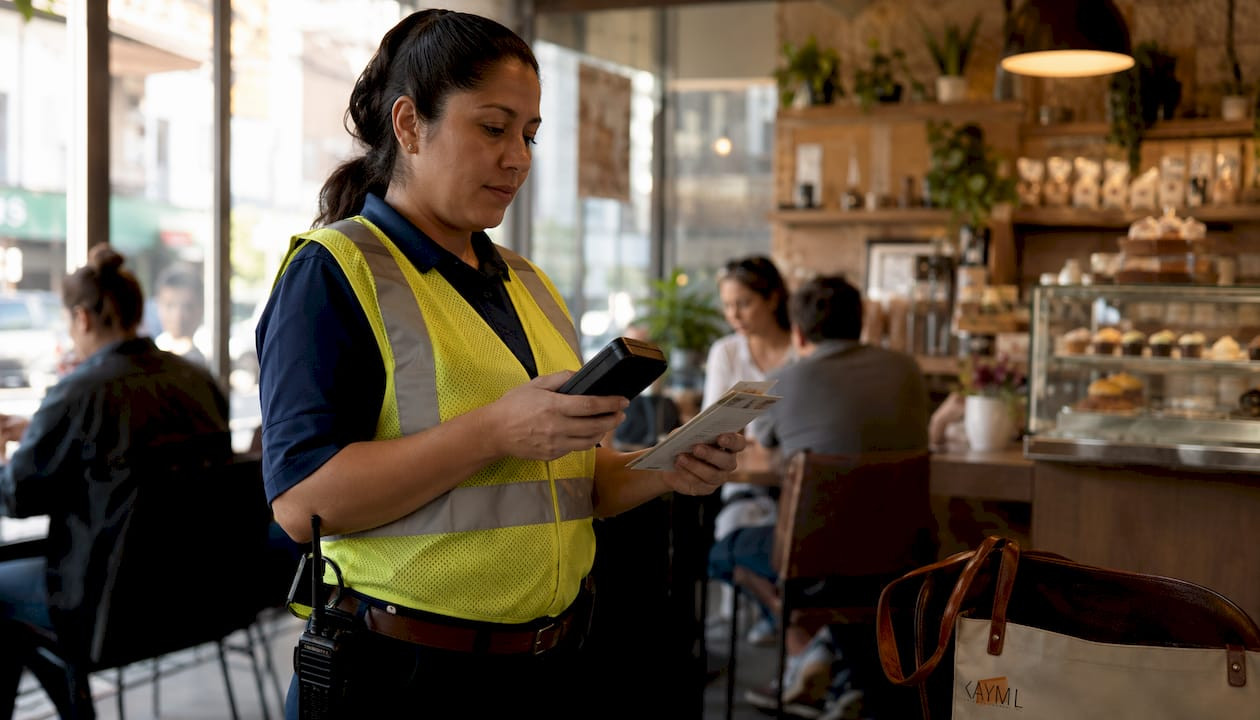
The most common parking control mistakes come down to three predictable failures: manual ticketing errors from outdated paper workflows, wrong or incompatible ticket stock, and enforcement decisions made without real-time usage data. Fix those three first.
Start this week:
- Replace generic ticket stock with sequentially numbered, barcoded tickets compatible with your hardware (Amano, TIBA, SKIDATA, FLASH Parking, Scheidt & Bachmann, or Flowbird)
- Run a 30-minute ticket audit: check stock levels, verify format compatibility, and pull a sample of recent tickets for legibility and numbering gaps
- Pull one week of occupancy data, even from a simple spreadsheet, to identify your peak abuse windows
Caymil Printing Co. supplies stock and custom ticket formats built for these exact fixes, with nationwide shipping and compatibility across major parking systems.
Table of Contents
- Why these mistakes cost operators real time and revenue
- 10 common parking control mistakes and how to fix each one
- How correct ticket supplies prevent the most common mistakes
- A 30-minute parking-control audit you can run every week
- How to start using usage data and build enforcement SOPs
- Typical timelines and cost ranges for fixing common mistakes
- Key Takeaways
- The procurement mistakes operators keep repeating
- Caymil’s ticketing products address the mistakes described above
- Useful sources
- FAQ
Why these mistakes cost operators real time and revenue
Recurring parking management pitfalls do more damage than most operators realize until the appeals pile up. Manual workflows produce registration typos and misread signage that generate wrongful tickets, each one requiring staff time to investigate, document, and resolve. A single procedural error can scale fast: Elmbridge Borough Council in the UK issued over 9,000 incorrect Penalty Charge Notices before the mistake was caught, triggering a full refund scheme.
On the technology side, the risk is just as real. An NBC New York investigation found that MTA bus lane cameras issued thousands of incorrect summonses during a new enforcement rollout, requiring mass reversals. Reputational damage from that kind of event is hard to recover from quickly.
Failing to automate appeals handling compounds every other mistake. When disputes pile up in a manual queue, staff hours disappear and customer trust erodes. The financial hit from unmanaged unauthorized use, lost revenue capture, and dispute administration adds up faster than most operators budget for.
10 common parking control mistakes and how to fix each one
1. Manual data entry and paper-based ticketing
Priority: Urgent
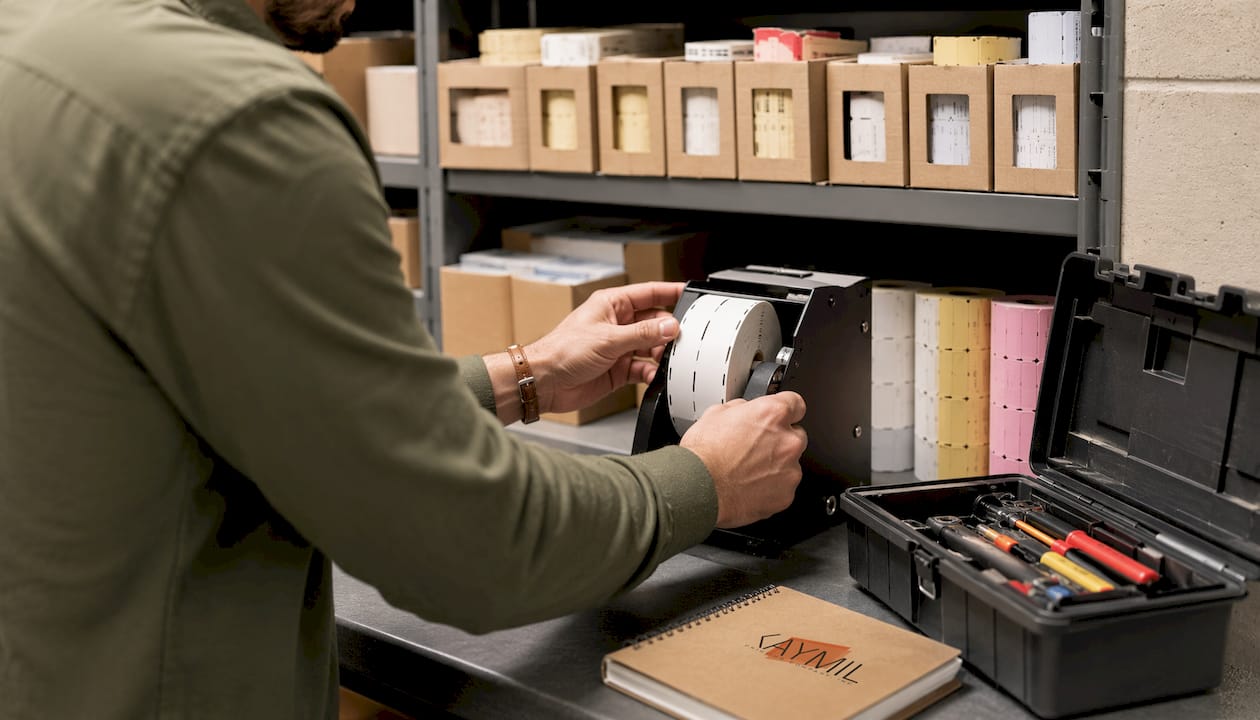
Paper workflows produce typos, illegible entries, and lost stubs. A single transposed digit on a permit can generate months of wrongful fines, as a Bristol City Council case demonstrated when one registration typo led to £465 in fines for a legally permitted driver.
- Switch to pre-printed, sequentially numbered tickets that eliminate handwritten fields
- Use carbonless multi-part formats so each transaction creates an automatic record
- Archive ticket stubs in a labeled ticket rack for fast dispute lookup
2. Wrong or incompatible ticket stock
Priority: Urgent
Using ticket stock that doesn’t match your dispenser or gate system causes jams, skipped numbers, and unreadable barcodes. These ticketing supply mistakes are among the most preventable enforcement errors.
- Confirm ticket dimensions, core size, and paper weight against your hardware specs before ordering
- Verify barcode symbology (Code 39, Code 128, QR) matches your reader
- Order a compatibility sample before committing to a full run
3. No sequential numbering or security features
Priority: Urgent
Tickets without sequential numbering can’t be audited for gaps, making fraud and lost revenue nearly impossible to detect. Tamper-evident features like void patterns and security inks add a physical layer of protection. Caymil’s ticket security options include sequential numbering, barcodes, and tamper-evident printing.
- Require sequential numbering on every ticket order
- Add a void-on-copy security pattern for high-value or permit tickets
- Log ticket series numbers at delivery and reconcile against issued tickets monthly
4. ANPR-only enforcement with no human verification
Priority: Urgent
Automated license plate recognition is powerful, but ANPR without human verification produces phantom violations from mismatched reads and configuration errors. Mass reversals damage credibility and cost staff hours.
- Build a human-in-the-loop step: flag any plate read that doesn’t match a ticket stub or permit record for manual review before issuing a notice
- Keep manual ticket fallbacks stocked for system downtime
- Document every ANPR override with a timestamped photo and ticket number
5. Poor signage and unclear line markings
Priority: Urgent
Signage alone rarely deters unauthorized parking. Physical controls like high-contrast line markings, permit hang tags, and enforced bays work together with signs to reduce abuse.
- Audit every entry, bay, and exit point for legible, current signage
- Use high-contrast hang tags for permit holders so wardens can verify at a glance
- Repaint faded bay markings at least annually
6. Inconsistent enforcement and missing SOPs
Priority: High
When enforcement varies by shift or officer, disputes multiply. Inconsistent enforcement is one of the leading causes of overturned fines. A written SOP covering ticketing protocol, evidence capture, and escalation paths removes the guesswork.
- Write a one-page ticketing SOP: when to issue, what to photograph, how to record the ticket number
- Train every enforcement staff member on the SOP before their first shift
- Review and update the SOP quarterly
7. Slow or missing appeals process
Priority: High
A backlogged appeals queue signals to users that disputes are ignored, which increases formal complaints and legal exposure. Operators that automate appeals handling reduce administrative burden and improve customer trust.
- Set a maximum response time (48–72 hours is a reasonable target)
- Use a simple digital form or email intake so appeals are logged automatically
- Attach the original ticket stub scan to every appeal record
8. Inventory failures and late reorders
Priority: High
Running out of correct ticket stock forces ad-hoc workarounds that break numbering sequences and create audit gaps. Late reorders are a recurring operational drain that’s easy to prevent.
- Set a reorder trigger at 20% of stock remaining
- Keep at least two weeks of average usage in reserve
- Store tickets in a labeled ticket rack by format and series
9. Ignoring real-time usage data
Priority: Medium
Without occupancy and turnover data, enforcement is reactive rather than rules-based. Usage trends drive pricing decisions, permit allocation, and enforcement scheduling. Even a basic weekly count gives you a baseline.
- Track hourly occupancy, average stay, and dispute rate at minimum
- Use ticket timestamps to calculate turnover without additional hardware
- Review data weekly and adjust enforcement hours to match peak abuse windows
10. Payment friction and poor payment options
Priority: Medium
Limited payment options push users toward avoidance or disputes at exit points, reducing revenue capture. Operator guidance recommends a mix of contactless, app, and on-site payment to reduce friction.
- Audit current payment methods against what your users actually use
- Add contactless payment at minimum if not already available
- Display payment options clearly at entry, not just at the pay station
How correct ticket supplies prevent the most common mistakes
The right ticket design removes a high share of disputes before they start. Sequential numbering creates an auditable chain; barcodes tie physical tickets to digital records; tamper-evident security features deter fraud. These aren’t optional upgrades — they’re the foundation of defensible enforcement.
| Spec | What to require | Why it matters |
|---|---|---|
| Format | Match machine dimensions exactly (width, length, core) | Prevents jams and skipped numbers |
| Numbering | Sequential, pre-printed | Enables gap audits and fraud detection |
| Barcode | Code 128 or Code 39 per hardware spec | Ensures scanner compatibility |
| Security | Void-on-copy, tamper-evident ink | Deters duplication and alteration |
| Stock | Thermal or carbonless per system type | Prevents fading and illegibility |
| Stub layout | Matching customer and operator stubs | Supports fast dispute resolution |
Caymil’s parking system compatibility guide covers format matching for Amano, TIBA, SKIDATA, FLASH Parking, Scheidt & Bachmann, and Flowbird systems. For machine-issued formats, confirm core diameter and roll length before ordering.
Ordering checklist:
- Confirm hardware compatibility (dimensions, barcode type, paper weight) before placing any order
- Set a minimum stock level and a reorder trigger date on your calendar
- Request a sample run for any new format before committing to volume
- Specify security features in writing on every purchase order
Pro Tip: Order a compatibility sample from Caymil before switching ticket formats. A single incompatible roll can shut down a lane during peak hours.
A 30-minute parking-control audit you can run every week
A short weekly audit catches most surface-level problems before they escalate into disputes or downtime. Use this checklist every Monday morning.
- Ticket stock check (5 min) — Urgent: Count remaining stock by format; flag any format below the 20% reorder trigger
- Random ticket audit (10 min) — Urgent: Pull 10 tickets from the previous week; verify sequential numbering, legibility, and barcode scan
- Signage walkthrough (5 min) — High: Check entry, exit, and permit bays for damaged, faded, or outdated signs
- ANPR-to-manual match (5 min) — Urgent: Cross-reference five ANPR reads against ticket stubs; flag any mismatch for human review
- Appeals queue status (3 min) — High: Confirm no appeal is older than 72 hours without a response
- Reorder trigger check (2 min) — Medium: Confirm reorder dates are on the calendar for all ticket formats
A parking facility audit that catches a numbering gap or a signage error early costs minutes to fix. Left unchecked, the same issue can generate dozens of disputed tickets.
How to start using usage data and build enforcement SOPs
Even basic occupancy and turnover metrics move enforcement from guesswork to rules-based decisions. You don’t need expensive software to start.
- Establish a one-week baseline. Count vehicles at entry and exit at the top of each hour for five business days. A simple spreadsheet works.
- Install simple counters or use ticket timestamps. Most dispenser systems record entry time. Export that data weekly.
- Identify your peak abuse windows. Look for hours where occupancy exceeds your permit allocation or where average stay far exceeds the posted limit.
- Write a one-page enforcement SOP. Cover: when to issue a ticket, what evidence to capture (timestamped photo, ticket number, plate), and the appeals intake path.
- Set a dispute-rate KPI. Track disputes per 100 tickets issued. A rising rate signals a systemic problem, not just individual errors.
Key metrics to track: hourly occupancy, average stay duration, dispute rate per 100 tickets, no-show rate for permit holders, payment method breakdown.
Pro Tip: For any ANPR deployment, build a human verification step into your SOP before a notice is issued. A plate misread caught before mailing costs nothing. One caught after a mass reversal costs far more.
Typical timelines and cost ranges for fixing common mistakes
Most high-impact fixes take days to weeks, not months. Budget and schedule accordingly.
| Fix | Time to complete | Cost range | ROI note |
|---|---|---|---|
| Reorder correct ticket stock | 1–3 days | Low | Eliminates format-related enforcement errors immediately |
| Write and distribute SOP | 1–2 days | Low | Reduces inconsistent enforcement disputes within weeks |
| Weekly audit routine | 1 hour setup | None | Catches inventory and numbering gaps before they escalate |
| Signage refresh | 1–2 weeks | Low–Medium | Reduces unauthorized parking and signage-based disputes |
| Appeals automation | 2–4 weeks | Low–Medium | Cuts admin time and improves customer trust |
| ANPR human-verification step | 1–2 weeks | Low | Prevents mass reversals and reputational damage |
| Payment option upgrade | 4–8 weeks | Medium–High | Reduces exit-point disputes and improves revenue capture |
| Real-time data collection | 2–4 weeks | Low–Medium | Enables rules-based enforcement and pricing decisions |
The fastest wins — better ticket stock, a written SOP, and a weekly audit — require almost no capital. They do require discipline.
Key Takeaways
Correct ticket stock, a written SOP, and a weekly 30-minute audit resolve the majority of common parking control mistakes before they generate disputes or revenue loss.
| Point | Details |
|---|---|
| Fix ticket stock first | Sequentially numbered, barcoded tickets compatible with your hardware eliminate the most common enforcement errors immediately. |
| Write a one-page SOP | A written ticketing and appeals SOP reduces inconsistent enforcement and cuts dispute rates within weeks. |
| Run a weekly 30-minute audit | Checking stock, numbering sequences, signage, and the appeals queue weekly catches problems before they escalate. |
| Use basic usage data | Tracking hourly occupancy and average stay turns enforcement from reactive to rules-based without expensive software. |
| Order from Caymil | Caymil supplies stock and custom tickets with sequential numbering, barcodes, and security features compatible with major parking systems nationwide. |
The procurement mistakes operators keep repeating
The pattern Caymil sees most often isn’t a technology failure. It’s operators ordering the wrong ticket format because they never confirmed hardware specs, then running out of stock mid-week because there was no reorder trigger in place. Those two mistakes together can shut down a lane and generate a week’s worth of manual workarounds.
Since 1937, Caymil has supplied parking operators across the United States with ticket formats compatible with Amano, TIBA, SKIDATA, FLASH Parking, Scheidt & Bachmann, and Flowbird systems. The fix is almost always simpler than operators expect: confirm the spec, order the right format, set a reorder date. The promo section below has direct links to the relevant product pages.
Caymil’s ticketing products address the mistakes described above
Operators dealing with format errors, numbering gaps, or fraud exposure need ticket stock built for their specific hardware and workflow. Caymil manufactures stock and custom parking tickets with sequential numbering, barcodes, tamper-evident security features, and multi-part carbonless formats — all compatible with major parking systems used across the United States.
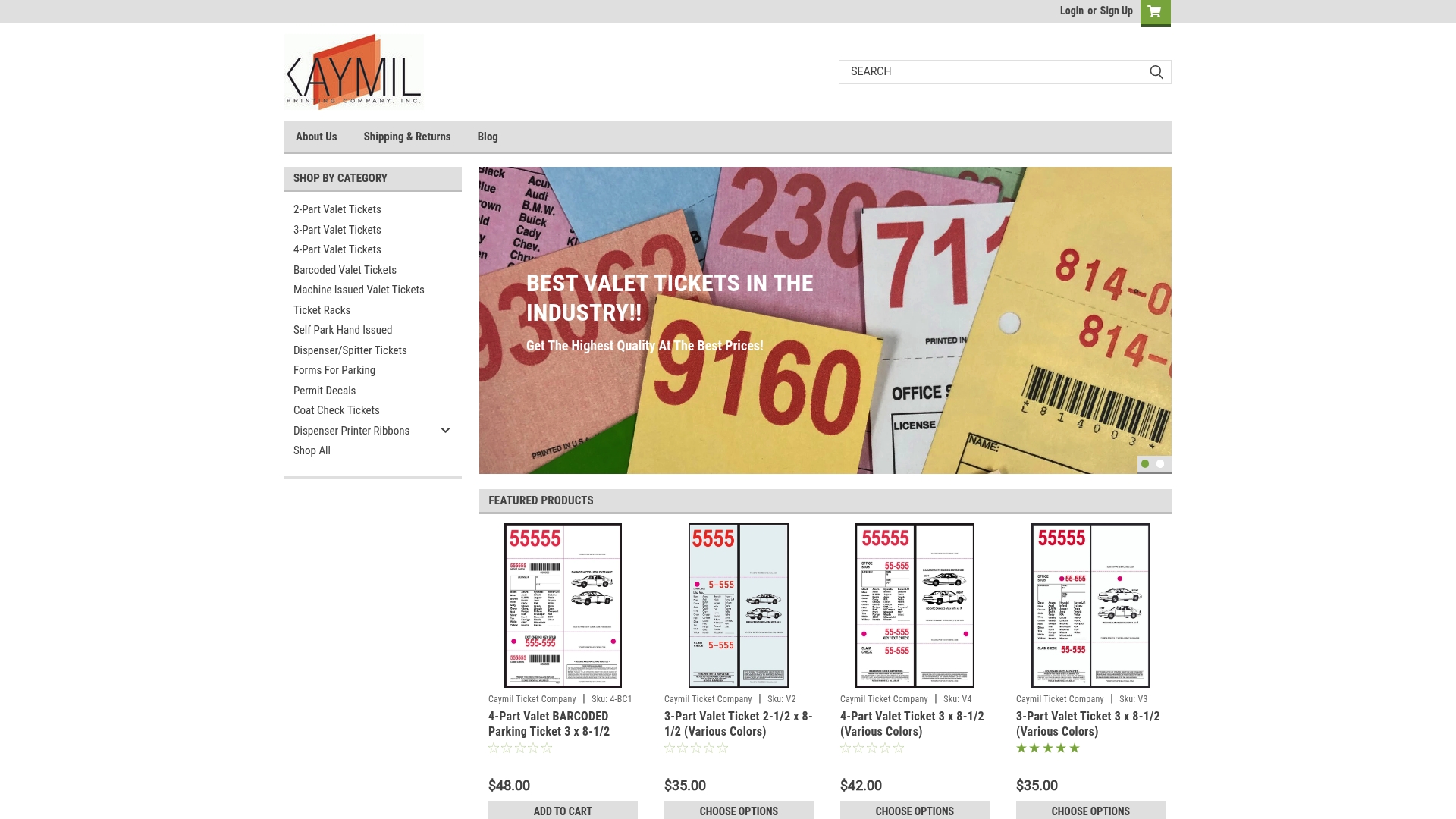
For valet operations, barcoded valet parking tickets support scanning and reconciliation. Multi-part formats like 4-part valet tickets give every stakeholder a record without manual duplication. For machine-issued workflows, dispenser-compatible stock prevents the jams and skipped numbers that break enforcement sequences. Browse the full range of parking forms and ticket supplies or contact Caymil’s team to confirm compatibility with your system before placing an order.
Useful sources
- NBC New York — MTA bus camera violations investigation: Documents the scale of machine-generated enforcement errors during automated camera rollouts.
- BBC — Bristol parking permit typo case: Illustrates how a single data-entry error in a permit system generates months of wrongful fines.
- Elmbridge Borough Council — incorrect PCN refund scheme: Real-world example of a procedural error producing over 9,000 incorrect notices.
- Pixelcase — common parking enforcement mistakes: Operator-facing overview of manual workflow errors and their dispute impact.
- Euro Parking Services — property owner mistakes: Covers appeals handling, inventory failures, and physical control gaps.
- Parksy — parking enforcement mistakes: Practical guidance on evidence management and inconsistent enforcement.
- Caymil — parking system compatibility guide: Format and spec matching for major parking hardware systems.
- Caymil — ticket security features: Technical overview of sequential numbering, tamper-evident inks, and fraud prevention.
FAQ
What are the most common parking enforcement errors?
Manual data entry mistakes, wrong ticket stock, and ANPR systems deployed without human verification are the most frequent sources of wrongful tickets and disputes. Each is preventable with correct ticket specs and a written SOP.
How do sequentially numbered tickets reduce parking disputes?
Sequential numbering creates an auditable chain that makes gaps, duplicates, and fraud immediately visible. Operators can cross-reference issued ticket numbers against appeals to verify whether a ticket was legitimately issued.
How often should parking operators audit their ticket stock?
A brief weekly check, taking roughly 30 minutes, is enough to catch low stock, numbering gaps, and compatibility issues before they cause enforcement downtime or disputes.
What ticket formats does Caymil supply for major parking systems?
Caymil manufactures stock and custom tickets compatible with Amano, TIBA, SKIDATA, FLASH Parking, Scheidt & Bachmann, and Flowbird systems, including machine-issued, barcoded, thermal, magnetic stripe, and multi-part carbonless formats.
How quickly can operators fix the most critical parking management pitfalls?
Reordering correct ticket stock takes one to three days. Writing and distributing an enforcement SOP takes one to two days. Both fixes are low-cost and deliver immediate reductions in enforcement errors and dispute volume.
Recommended
- Common Valet Ticketing Mistakes Operators Must Fix - Caymil Printing Co., Inc.
- Parking Management System Examples for Operators in 2026 - Caymil Printing Co., Inc.
- Parking Access Control Explained for Facility Operators - Caymil Printing Co., Inc.
- Parking Garage Lost Ticket Fee Policy: Operator’s Guide - Caymil Printing Co., Inc.