

Reduce Hotel Parking Disputes and Ticketing Errors

Effective hotel parking dispute reduction is achieved primarily through integrated automated systems like Automated Number Plate Recognition (ANPR), clear communication policies, and consistent enforcement protocols. In the hospitality industry, the formal term for this practice is parking dispute management, and it covers everything from wrongful ticket prevention to guest appeals handling. Hotels that fail to reduce hotel parking disputes and ticketing errors risk damaged guest satisfaction scores, legal exposure, and unnecessary staff overhead. The good news: the right combination of technology, policy, and training can eliminate the majority of disputes before they start.
What technology tools are essential to minimize parking disputes in hotels?
ANPR systems are the single most impactful technology for preventing wrongful parking tickets in hotel environments. By capturing objective, timestamped photographic evidence of every vehicle entry and exit, ANPR removes the ambiguity that fuels most guest challenges. Hotels using ANPR report a 90% reduction in parking-related disputes, which translates directly to fewer staff hours spent on appeals and fewer angry guests at the front desk.
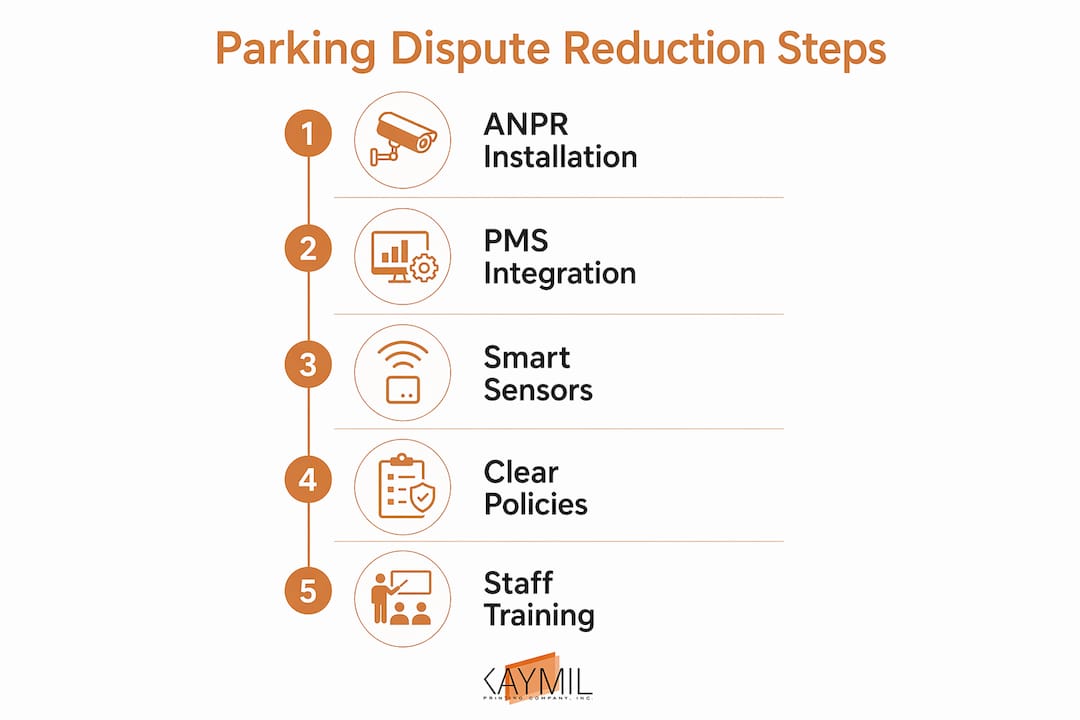
Integration with a Property Management System (PMS) is the second critical layer. When a guest checks in, their license plate is automatically added to a whitelist, and parking charges are synced to their folio without manual input. This eliminates the most common source of confusion: a guest receiving a ticket for a vehicle that should have been recognized as registered. Real-time syncing between the PMS and the license plate whitelist is non-negotiable. Integration lag between these systems causes false enforcement flags, so any deployment must include grace periods that allow staff to intervene before a ticket is issued.
Smart parking management systems add a third layer of protection by combining occupancy sensors, License Plate Recognition (LPR), automated maintenance monitoring, and dynamic pricing. Hotels using these systems have seen a 76% reduction in parking-related complaints alongside a 22% increase in garage revenue. That revenue gain matters because it justifies the technology investment to ownership and finance teams.
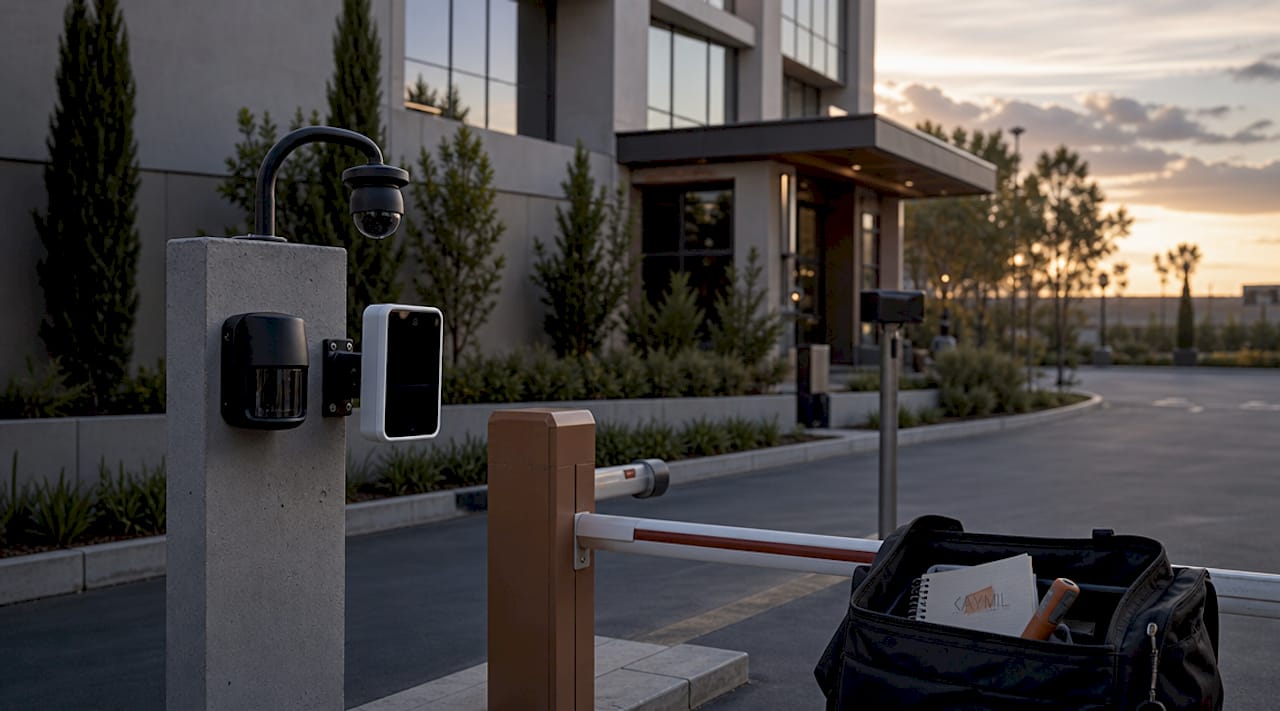
The operational savings are equally compelling. Automated enforcement reduced staff hours on parking issues from 1,664 to 364 annually across one large property portfolio, a 78% reduction. Legal fees from parking disputes dropped to zero within eight months. These are not marginal improvements. They represent a fundamental shift in how parking operations consume staff time and budget.
Here is a quick comparison of the core technology components and their primary dispute-reduction roles:
| Technology | Primary function | Dispute reduction benefit |
|---|---|---|
| ANPR / LPR cameras | Capture entry/exit timestamps | Eliminates wrongful ticket claims |
| PMS integration | Syncs guest plates to whitelist | Prevents charges on registered guests |
| Occupancy sensors | Tracks space availability in real time | Reduces overstay confusion |
| CMMS maintenance monitoring | Flags equipment failures proactively | Prevents disputes from faulty equipment |
| AI-assisted appeals tools | Processes challenges consistently | Speeds resolution and reduces staff burden |
Pro Tip: Implement ANPR systems that include configurable grace periods of five to ten minutes. This single setting prevents the most common false-positive enforcement scenario: a guest who briefly exits and re-enters the lot.
For a broader look at how these systems fit into hotel operations, Caymil’s overview of parking management systems for operators covers deployment considerations in detail.
How do clear policies and transparent communication prevent parking disputes?
Technology alone does not prevent disputes. A guest who cannot find or understand your parking rules will challenge a ticket regardless of how accurate your enforcement system is. Consolidated parking charges in the guest folio and clearly communicated policies are the policy-side equivalent of ANPR on the technology side.
The most common signage mistakes that drive disputes include fee structures buried in small print, overstay rules that reference time zones without specifying them, and enforcement language that reads as threatening rather than informative. Guests who feel ambushed by a parking charge are far more likely to dispute it, even when the charge is technically correct. Positive, branded language on signage reduces that emotional trigger. A sign reading “Parking is included with your stay. Please register your vehicle at check-in” generates fewer disputes than one reading “Unauthorized vehicles will be towed at owner’s expense.”
Effective hotel parking policies share four characteristics:
- Visibility. Rates, time limits, and enforcement rules appear at every entry point, on the hotel website, and in the pre-arrival confirmation email.
- Clarity. Fee structures use plain language with specific dollar amounts, not ranges or vague references to “standard rates.”
- Consistency. The same rules apply to all guests, and staff can explain them without consulting a manager.
- Accessibility. Policies are available digitally so guests can review them before arrival, reducing surprise at checkout.
Moving away from paper tickets to integrated digital solutions eliminates a significant source of guest confusion. When parking charges appear as a single line item on the folio rather than as a separate paper ticket, guests are less likely to dispute them during checkout. This is one of the most underused hotel parking solutions available today.
Pro Tip: Audit your parking signage every quarter. Photograph each sign and compare it against your current policy document. Faded text, outdated rates, or missing signs are the exact defects guests and attorneys use to successfully challenge parking penalties.
What operational strategies help staff handle parking ticket disputes effectively?
The most effective operational approach to dispute management follows a graduated enforcement model. Immediate fines or towing generate the highest dispute rates. A structured warning period, by contrast, builds guest goodwill and reduces violations. A 30-day warning period alone reduced violations by 35% in one documented case, with continued declines afterward. Guests who receive a warning before a fine are far less likely to escalate a complaint.
Here is a practical five-step protocol for handling parking disputes when they do occur:
- Acknowledge promptly. Respond to every dispute within 24 hours. Delayed responses increase guest frustration and the likelihood of a negative review.
- Pull the evidence. Retrieve ANPR timestamps, entry/exit photos, and PMS records before responding. Never issue a reversal or a denial without reviewing the documentation.
- Use AI-assisted appeals tools. AI-assisted appeals management processes challenges against your policy rules consistently, flags tone or vulnerability concerns, and speeds resolution for straightforward cases.
- Communicate the outcome clearly. Whether you uphold or reverse the charge, explain the specific reason. Guests who understand the decision are less likely to escalate further.
- Log and categorize every dispute. Tracking patterns reveals systemic issues. If 30% of disputes involve the same entry gate, the problem is the gate, not the guests.
Proactive infrastructure maintenance is equally important. Malfunctioning sensors and uncalibrated cameras create “ghost” problems that generate legitimate guest complaints. Connecting your parking equipment to a Computerized Maintenance Management System (CMMS) enables automated work orders before failures occur, keeping enforcement accurate and defensible.
Pro Tip: Track dispute patterns monthly and share findings with your parking vendor. Recurring dispute types often indicate a configuration issue in the enforcement system, not a guest behavior problem.
How do hotels balance guest experience with enforcement to minimize disputes?
Parking is a guest touchpoint, not just an operational function. Hotels that treat it as a service experience report 76% fewer complaints and a $40,000 to $60,000 value gain from improved rebooking rates and online reviews. That figure reframes the ROI calculation for smart parking technology entirely.
The guest experience approach to parking management centers on three principles:
- Frictionless entry. Touchless ANPR entry, pre-registered plates, and mobile payment options remove the moments of confusion that precede most disputes.
- Clear communication of benefits. Guests who know about EV charging stations, covered parking, or complimentary overnight parking are less likely to feel nickel-and-dimed by any charges that do apply.
- Reasonable grace periods. A ten-minute grace period at entry and exit costs the hotel almost nothing but eliminates a disproportionate share of disputes from guests who briefly overstay or re-enter.
Avoiding punitive language across all guest-facing materials is a low-cost, high-impact change. Signage, confirmation emails, and front desk scripts should emphasize service and fairness rather than penalties. Guests who feel respected are far less likely to dispute a charge, even when they disagree with it. This is the core insight behind treating parking as a guest experience touchpoint rather than a revenue enforcement mechanism.
For hotels running valet operations alongside self-park, integrating both under a single management system reduces the handoff errors that generate valet-specific disputes. Caymil’s guide on hotel valet and parking integration covers how to align these two functions operationally.
Key takeaways
Reducing hotel parking disputes requires ANPR technology, PMS integration, clear policies, and graduated enforcement working together as a single system.
| Point | Details |
|---|---|
| ANPR reduces disputes by 90% | Timestamped entry/exit evidence eliminates the ambiguity behind most guest challenges. |
| PMS integration prevents false tickets | Real-time plate whitelisting stops registered guests from receiving wrongful charges. |
| Graduated enforcement lowers violations | A warning period before fines reduces violations by 35% and builds guest goodwill. |
| Policy transparency cuts confusion | Consolidated folio charges and clear signage remove the most common dispute triggers. |
| Dispute tracking reveals systemic issues | Monthly pattern analysis identifies equipment or policy problems before they escalate. |
What I’ve learned from watching hotels get parking wrong
After years of working with parking operations across the hospitality sector, the pattern I see most often is this: hotels invest in enforcement technology and then neglect the policy and communication side entirely. They install ANPR cameras, integrate with their PMS, and then leave signage from 2018 in place. Guests dispute tickets not because the technology is wrong, but because the signage is illegible or the rate on the sign does not match the rate on the folio. Defects in ticketing procedures like illegible signage or equipment errors are the most common grounds for successfully challenging a parking penalty. That is entirely preventable.
The second mistake I see is treating automation as a replacement for staff training rather than a complement to it. AI-assisted appeals tools and ANPR cameras are only as effective as the people who configure and oversee them. Staff who understand why the system works the way it does can intervene intelligently when edge cases arise. Staff who were simply told “the system handles it” will escalate every exception to management.
My honest recommendation: audit your parking operation as if you were a guest arriving for the first time. Drive in, read every sign, try to find the rate information, and see how long it takes to understand what you owe and when. That experience will tell you more about your dispute risk than any data report. Then fix what you find, document the fix, and review it again in 90 days.
— Richard
How Caymil supports hotels with professional parking ticket solutions
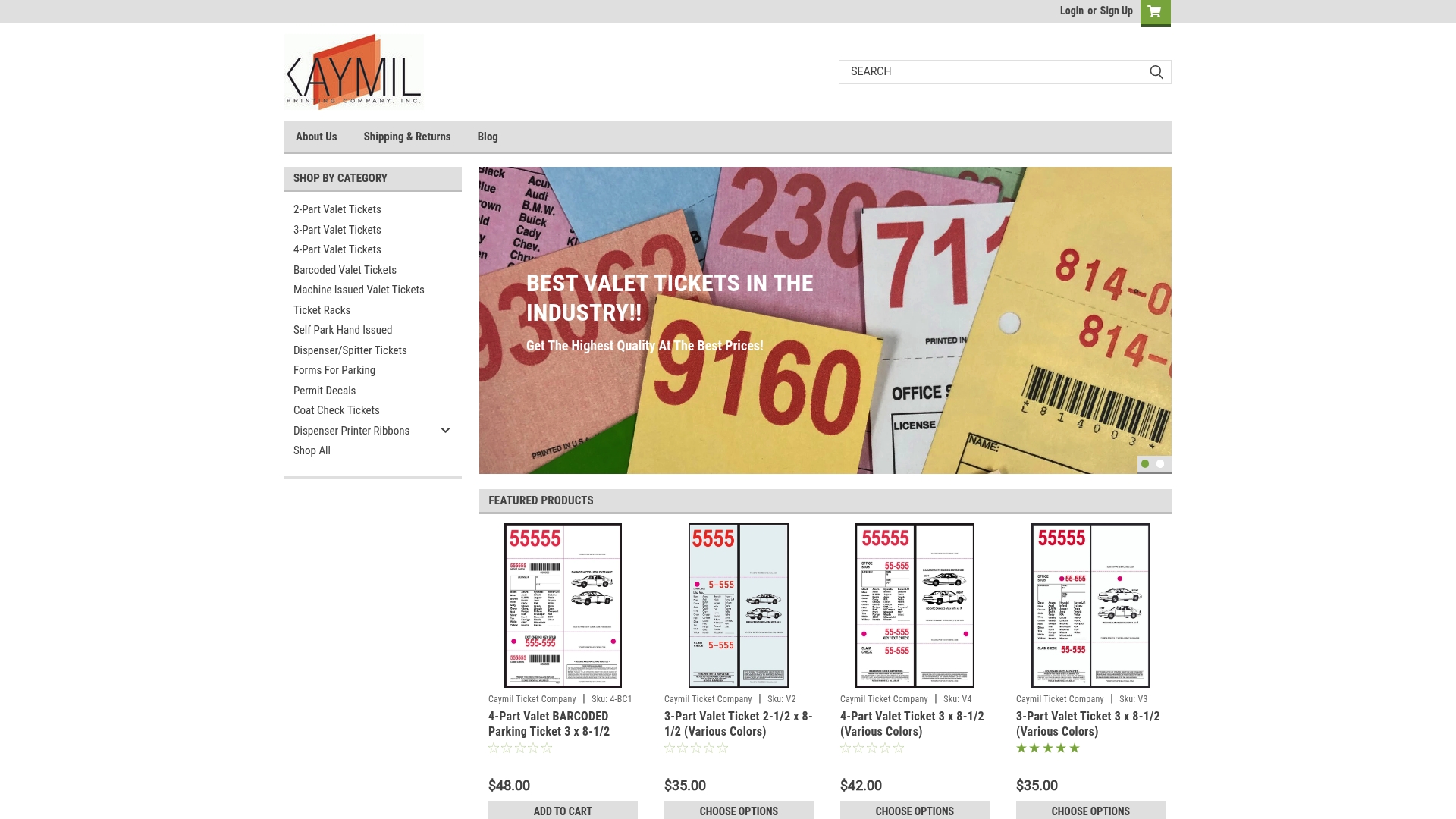
Professional ticketing is the physical foundation of defensible parking enforcement. When a dispute reaches the evidence review stage, the quality and clarity of the original ticket matters. Caymil has manufactured custom parking and valet ticketing solutions for the hospitality industry since 1937, producing everything from machine-issued valet tickets to multi-part carbonless formats and barcoded tickets compatible with systems including Amano, TIBA, SKIDATA, FLASH Parking, and Flowbird.
Caymil’s parking forms and documentation can be customized to include policy highlights, fee schedules, and enforcement instructions directly on the ticket, giving guests clear information at the moment of issuance. Sequential numbering, barcoding, and security features create an auditable paper trail that supports accurate dispute resolution. Contact Caymil to discuss ticketing solutions built specifically for hotel and valet operations.
FAQ
What is the most effective way to reduce hotel parking disputes?
ANPR systems combined with PMS integration are the most effective approach, reducing disputes by up to 90% through objective timestamped evidence and automatic guest plate registration.
How do you handle a parking ticket dispute from a hotel guest?
Pull ANPR entry/exit records and PMS data first, then respond within 24 hours with a clear explanation. AI-assisted appeals tools can process straightforward challenges consistently against your policy rules.
What signage mistakes cause the most parking disputes?
Illegible rates, outdated fee information, and threatening enforcement language are the top causes. Successful ticket challenges frequently cite signage defects as grounds for cancellation.
How does PMS integration prevent wrongful parking tickets?
PMS integration automatically adds a guest’s license plate to the enforcement whitelist at check-in, preventing the system from flagging registered vehicles. Real-time syncing with grace periods eliminates false-positive enforcement.
Why should parking charges be consolidated into the guest folio?
A single folio line item for parking removes the confusion of separate paper tickets and reduces checkout disputes. Guests who see one clear charge are significantly less likely to challenge it.
Recommended
- Parking Facility Audit Using Tickets: 2026 Guide - Caymil Printing Co., Inc.
- How to Reduce Ticket Fraud in Parking Lots - Caymil Printing Co., Inc.
- Parking Garage Lost Ticket Fee Policy: Operator’s Guide - Caymil Printing Co., Inc.
- Parking Receipt vs Parking Ticket: Know the Difference - Caymil Printing Co., Inc.