
Stop Reprints and Citations: Reinforced Hang Tags for Parking Operators

Reinforced hang tags are parking and valet permits built with durable materials, laminated surfaces, or metal eyelets around the hole so they survive months of handling without tearing, fading, or peeling. We recommend them for any operator who needs permits to stay legible through a full season or longer, since the main payoff is fewer enforcement disputes and fewer costly reprints. Parking operators, hotels, casinos, municipalities, and event venues running multi-month or recurring programs are the buyers who benefit most.
TL;DR:
- Reinforced hang tags with metal eyelets or laminated rings are best suited for long-term use, lasting months without tearing or fading.
- Proper display, such as hanging from the rearview mirror with high-contrast, non-reflective printing, is crucial to avoid citations and enforcement issues.
- For outdoor or high-handling environments, plastic or laminated stock withstands sun, moisture, and abrasion better than cardstock.
- Custom orders with security features and barcodes require lead times and sample approvals to prevent reprints and ensure compatibility with existing systems.
- Suppliers with parking-specific experience and the ability to provide pre-production samples improve the likelihood of successful, durable permit issuance.
Table of Contents
- Materials and reinforcement methods: cardstock, laminated, plastic, and eyelets
- How permits must be displayed to avoid citations
- Design and print specs to put in an RFP or purchase order
- Durability under sun, moisture, and daily handling
- Procurement logistics: minimums, lead times, and RFP language
- Handling, issuance, and on-vehicle best practices
- Why supplier experience matters for parking-specific print runs
- Ordering reinforced hang tags and getting a sample in hand
- FAQ
- Sources
Materials and reinforcement methods: cardstock, laminated, plastic, and eyelets
The material you choose sets the ceiling on how long a hang tag survives in daily use. Standard cardstock works for short events or single-day validation but softens and tears within weeks of regular handling. Laminated cardstock adds a protective shell that resists moisture and light abrasion, giving it a longer working life at a modest cost increase. Rigid plastic tags, often PVC or polypropylene blends, hold up best outdoors and in vehicles that see direct sun, and they tolerate repeated hanging and removal without cracking at the hole.
Reinforcement at the hole matters as much as the body material:
- Metal eyelets or grommets resist tearing from repeated hanging and removal, making them the strongest choice for annual or long-term permits.
- Reinforced laminate rings add a layer around a die-cut hole without the cost of a metal grommet, suiting mid-length programs.
- Double-punched holes on heavier cardstock offer a budget option for shorter runs where replacement is expected.
Printing method also affects durability. Thermal printing works well for sequential numbering on plastic stock, while offset printing handles detailed logos and multi-color branding more cleanly. Confirm your supplier’s equipment matches your barcode symbology before committing to a material, since not every stock takes thermal transfer evenly.
How permits must be displayed to avoid citations
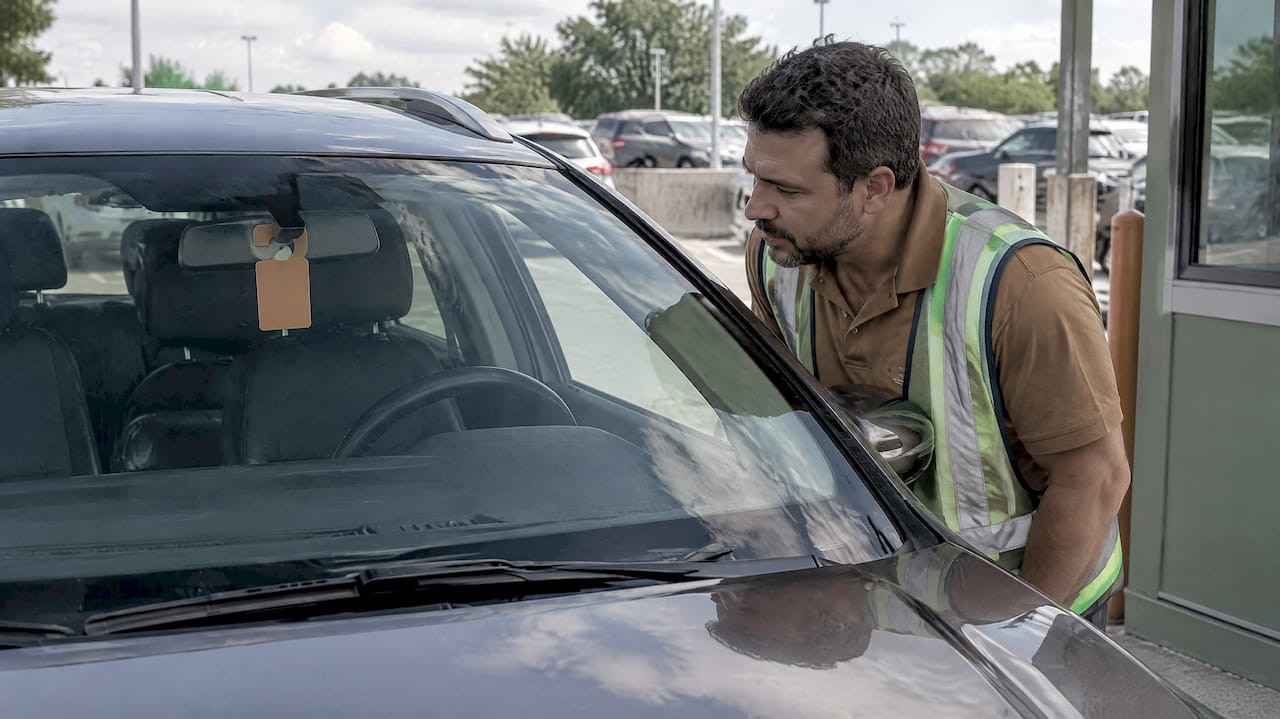
Most campus and municipal parking authorities require a hang tag to hang from the rearview mirror or sit on the dash with the permit number facing outward and fully visible. The University of Arizona’s parking guidance notes that improper display commonly leads to citations even when the underlying permit is valid, which makes legibility and placement part of the product design, not an afterthought.
Several display habits cause the bulk of enforcement problems:
- Stacking multiple hang tags together, which hides the active permit behind expired ones.
- Placing a permit behind tinted glass, where the number becomes unreadable from outside the vehicle.
- Taping or affixing the tag in a way that blocks part of the printed number.
Indiana University Bloomington’s permit guidance recommends a plastic display pocket or standardized sleeve to keep the tag flat and visible, and explicitly warns against tinted placement. Enforcement officers generally need to confirm a permit’s validity at a glance from outside the vehicle, so high-contrast numbering and non-reflective lamination finishes reduce the chance of a bad-faith citation. Bold typefaces, minimal background art, and a number large enough to read from several feet away do more for citation avoidance than any decorative element.
Design and print specs to put in an RFP or purchase order
A hang tag order moves faster and arrives correct the first time when your spec sheet answers these points before a supplier quotes it:
- Dimensions and hole placement. Match the hang tag to standard ready mirror hang tag sizes and position the die-cut hole so it clears common mirror stems without the printed number landing too close to the fold.
- Serialization and barcode type. Specify Code 39 or Code 128 for linear barcodes compatible with most gate-scanner hardware, or a QR code where handheld mobile scanning is the primary check-in method; always request a sample scan before full production.
- Artwork file format. Submit vector files (AI, EPS, or PDF) rather than raster images so logos and numbering stay sharp when scaled to final size.
- Security features. Consider holographic overlays, scratch-off date panels for temporary permits, or tamper-evident lamination that visibly damages if peeled, depending on how much permit fraud your facility has experienced.
Reviewing die-cut specification guidance before finalizing hole shape and offset helps prevent the stacking problems enforcement staff run into most often, since the shortest active permit should always face outward.
Durability under sun, moisture, and daily handling
A hang tag that looks sharp on day one can fail in three predictable ways: ultraviolet fading that turns a barcode unreadable, moisture that warps cardstock or delaminates a cheap finish, and abrasion at the hole that eventually tears through. Outdoor garages and valet stands see the worst of all three, while short indoor events face mostly handling wear.
Match material to exposure before committing to a production run:
- Plastic and laminated stock hold color and barcode contrast longest under direct sun.
- Cardstock without lamination is acceptable only for single-day or indoor-only use.
- Eyelet-reinforced holes outlast punched holes anywhere the tag gets removed and rehung often.
Run a few quick checks on samples before approving a full order: leave one tag in direct sun for several days to watch for fading, wet another and attempt a barcode scan afterward, and pull gently at the hole to see how the material responds to stress.
Pro Tip: Ask your supplier for a pre-production sample in the exact material and lamination you plan to order, not a generic stock sample, since lamination thickness changes how a barcode scans.

Procurement logistics: minimums, lead times, and RFP language
Stock hang tags typically ship faster and carry lower minimums than custom runs, since custom numbering, barcoding, and security features all add production steps. Expect custom orders with sequential numbering or holograms to take longer than a plain stock run, and build that difference into your renewal timeline rather than ordering at the last minute.
Sample approval before full production is the single step most likely to prevent a reprint. A proof catches color mismatches, hole placement errors, and barcode scan failures before you commit to thousands of units.
Municipal procurement language offers a useful template even for private operators. ParkHouston’s residential parking permit solicitation specifies card stock weight, Code 39 barcodes, consecutive numbering, security holograms, and fade-resistant plastic, which is a solid checklist whether you are writing a formal RFP or a simple purchase order. Common spec items worth mirroring:
- Card stock weight and finish (laminated versus uncoated).
- Barcode symbology and required scan accuracy.
- Consecutive numbering range and starting point.
- Security feature requirements, such as holograms or scratch-off panels.
Handling, issuance, and on-vehicle best practices
A well-made hang tag still needs a sound issuance process to deliver its full working life. Assign numbers sequentially and record each one against a vehicle or account at issuance, so a lost tag can be voided without reprinting the entire batch. Store unissued tags flat in their original packaging, away from direct sunlight and humidity, to prevent warping before they ever reach a vehicle.
On the vehicle side, a few habits extend tag life and simplify checks:
- Issue a protective display sleeve where tags see frequent handling or exposure.
- Standardize the hanging cord length and material across your fleet or facility.
- Train attendants to remove expired tags immediately so only the current permit is visible.
A documented launch checklist at the start of a new program keeps issuance consistent across shifts and locations.
Pro Tip: Keep a small log of voided tag numbers at the front desk or booth so attendants can confirm a reported lost tag before issuing a replacement.
Why supplier experience matters for parking-specific print runs
A manufacturer with decades of focus on parking, valet, and hospitality ticketing understands constraints that a general print shop often misses, from hole placement that clears common mirror mounts to barcode formats that match existing gate hardware. Nationwide shipping and compatibility with systems like Amano, TIBA, SKIDATA, FLASH Parking, Scheidt & Bachmann, and Flowbird matter when a facility needs replacement stock without reworking its scanning setup.
Before awarding an order, ask any supplier:
- Can you provide a pre-production proof and a barcode scan test on the actual material?
- Do your tags carry compatibility with our existing parking system hardware?
- What is your turnaround for a reorder if we run short mid-season?
A supplier who answers these clearly, with sample proofing and scan quality checks built into the process, reduces the odds of a reprint or an enforcement disruption down the line as explained in detail in group transportation logistics explained for event planners.
— Richard
Ordering reinforced hang tags and getting a sample in hand
Our company has decades of experience manufacturing parking, valet, and hospitality ticketing products, focusing on details like hole placement, barcode compatibility, and lamination choices built specifically for permit programs rather than general retail tags.
Matching your program to the right product is straightforward once you know your volume and feature needs:
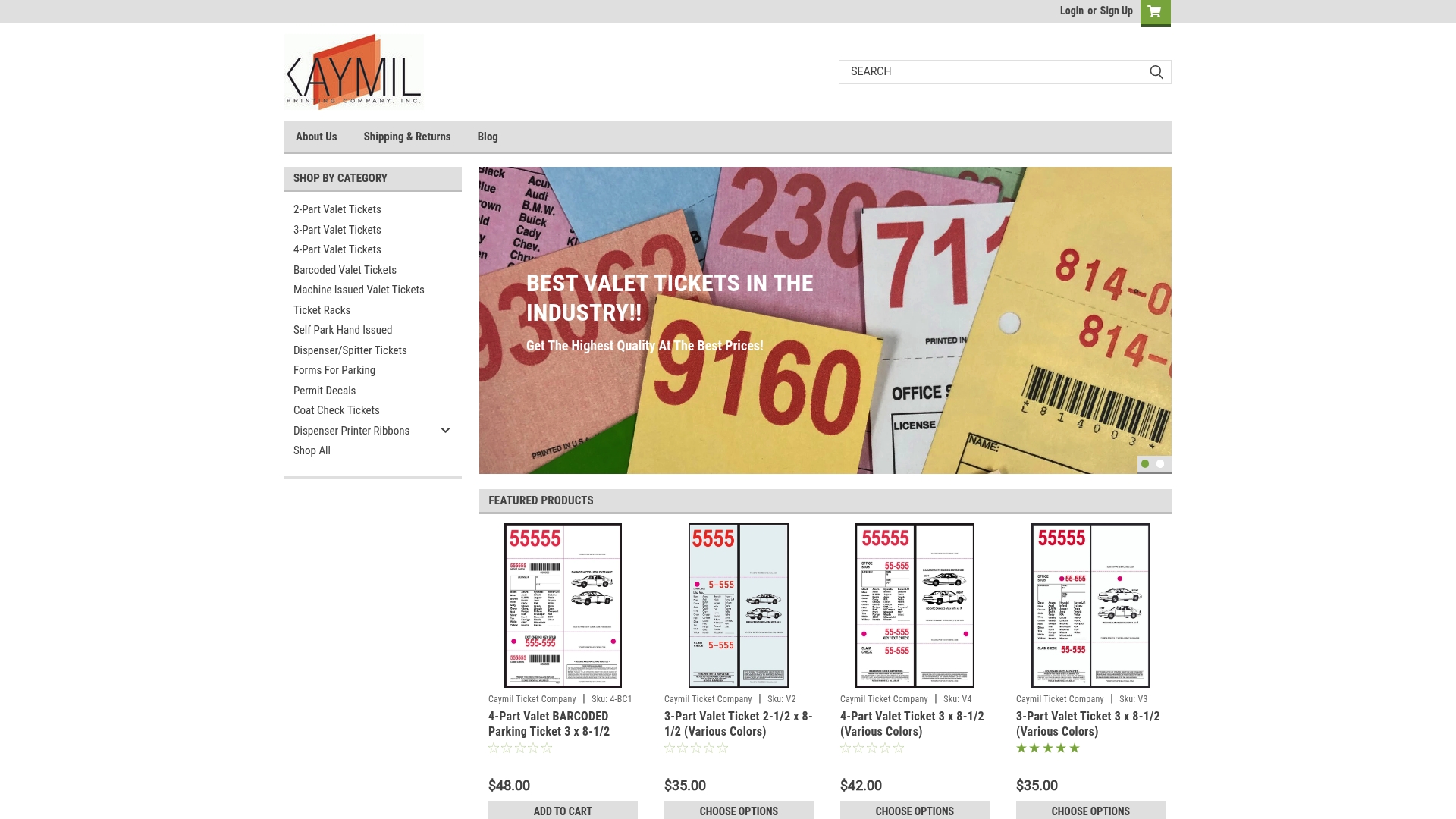
- Facilities needing barcoded, scan-ready permits can review our barcoded valet tickets for compatible formats.
- Programs mixing hang tags with vehicle decals can look at our permit decals as a complementary option.
- Valet operations pairing a hang tag with a claim ticket often start with 3-Part Valet Tickets for paired numbering.
Request a sample in your specified material and lamination, and we will prepare an RFP-ready spec sheet or a direct quote from there. Reach out through our full product catalog to start a sample request or get pricing on a custom run.
FAQ
What makes a hang tag “reinforced” compared to a standard permit?
A reinforced hang tag uses a durable material such as laminated cardstock or rigid plastic, often combined with a metal eyelet or grommet around the hole, so it resists tearing and fading over months of use. Standard uncoated cardstock tags are better suited to single-day or short-term use where longevity is not a factor.
Where must a parking permit hang tag be displayed to avoid a citation?
Most authorities require the tag to hang from the rearview mirror or sit on the dash with the permit number facing outward and unobstructed. The University of Arizona and Indiana University Bloomington both warn that placement behind tinted glass or stacked behind other tags commonly causes citations even when the permit is valid.
What barcode type should we specify for reinforced hang tags?
Code 39 is a common linear barcode symbology for gate-scanner compatibility, while QR codes suit handheld mobile scanning setups. Municipal procurement examples, including ParkHouston’s solicitation, specify Code 39 alongside consecutive numbering and fade-resistant plastic for durable permit stock.
How long does it take to produce a custom reinforced hang tag order?
Stock hang tags generally ship faster than custom runs, since features like sequential numbering, barcoding, and security holograms each add a production step. Requesting a pre-production sample adds a short review period but prevents the far costlier delay of a full reprint after an error reaches your facility.
What is the cost of reinforced hang tags compared to standard permits?
Pricing depends on material, lamination, and added features like barcoding or holograms, so costs vary by specification rather than a single flat rate. We recommend requesting a quote based on your exact material and feature list, such as through our 3-Part Valet Tickets or Barcoded Valet Tickets product pages, where pricing reflects the specific configuration ordered.
Sources
- Parking: Permit display — University of Arizona
- Displaying your permit — Indiana University Bloomington
- Residential Parking Permits ParkHouston (R2) | GovCB