

Temporary Parking Pass for Hotel Guests: 2026 Guide

A temporary parking pass is the authorization a hotel guest receives to park legally on property during their stay, issued either as a physical permit or through an automated system tied to the hotel’s property management software. Without this pass, your vehicle is treated as unauthorized, even if you have a confirmed room booking. Hotels across the United States use several different methods to issue these permits, and knowing how each one works saves you from unexpected fines or towing. This guide covers every type of hotel guest parking permit, how to get one, what restrictions apply, and how modern systems are changing the process entirely.
What is a temporary parking pass for hotel guests?
A temporary parking pass for hotel guests is a time-limited authorization that grants a specific vehicle the right to occupy a designated parking space on hotel property. The pass is tied to your room booking and expires when your stay ends. It is not the same as a general parking ticket issued to the public.
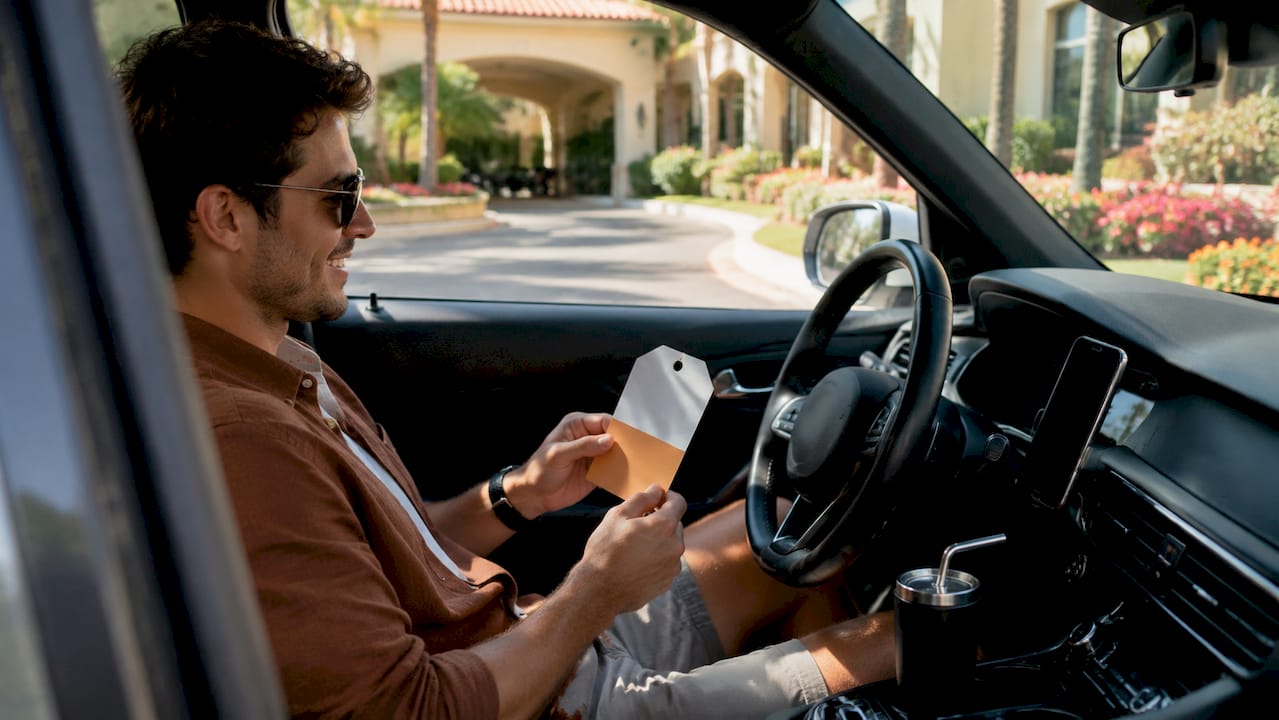
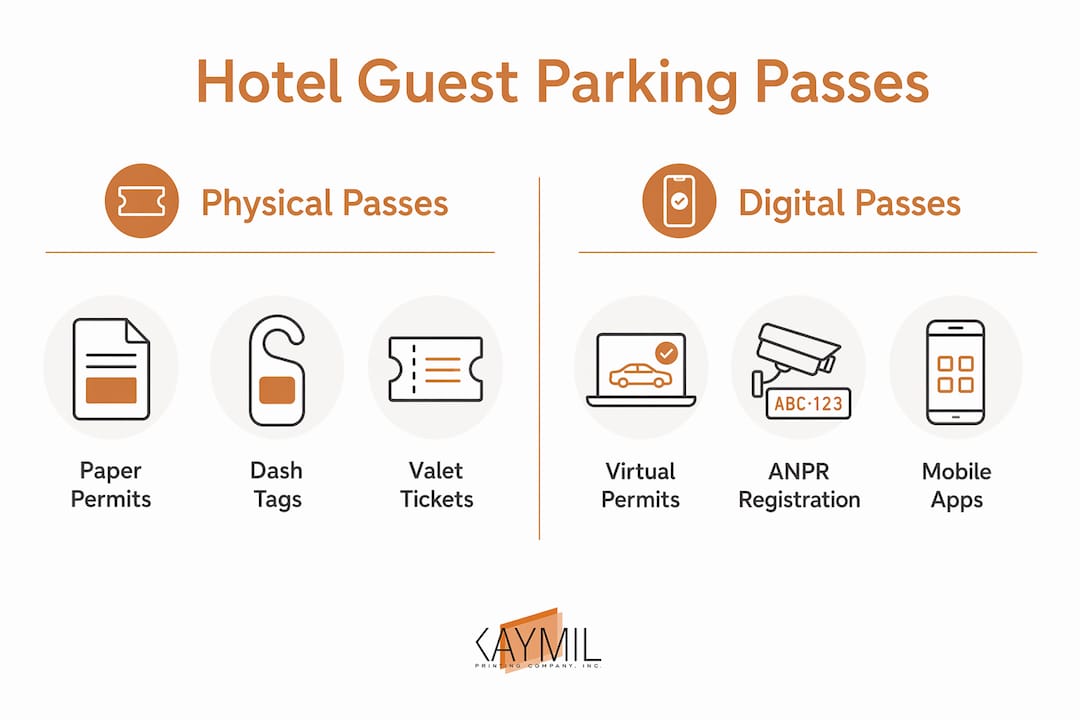
Hotels issue these passes in two broad formats. The first is a physical permit, such as a paper hang tag, a printed dashboard card, or a multi-part valet ticket. The second is a virtual authorization, where your license plate is entered into the hotel’s parking management system and whitelisted automatically. Both formats serve the same legal purpose: they tell enforcement systems and staff that your vehicle belongs there.
The industry term for the physical version is a parking permit or guest parking pass. The virtual version is often called a whitelist entry or plate-linked authorization. Understanding which format your hotel uses before you arrive is the single most useful thing you can do.
What are the common types of hotel guest parking passes?
Hotels use four main formats to issue guest parking authorization. Each has different requirements and levels of convenience.
- Paper dashboard permits. A printed card or form placed visibly on the dashboard. Physical parking passes must be prominently displayed to avoid towing. Some properties email the permit for you to print before arrival.
- Hang tag permits. A cardstock tag hung from the rearview mirror. These are common at extended-stay properties and resorts. Caymil manufactures custom hang tag permits used by hotels nationwide.
- Barcode or multi-part valet tickets. Used when a valet attendant takes your vehicle. The ticket links your car to your room and serves as both a claim check and a parking authorization. Barcoded valet tickets allow automated scanning at exit gates.
- ANPR virtual passes. Automatic Number Plate Recognition systems read your license plate at the entry gate and cross-reference it against a whitelist pulled from the hotel’s property management system. No physical pass is issued at all.
Pro Tip: Ask the front desk which format the property uses before you pull into the garage. If it is an ANPR system, your plate needs to be registered before you park, not after.
Validity periods differ across these formats. Paper permits typically cover a single night or the full length of your stay. Temporary permits commonly range from 24 hours up to a 10-day maximum, depending on the property or local municipality.
How to get a hotel parking pass at check-in
Getting your parking pass right at check-in prevents every problem covered later in this article. The process takes under five minutes when you know what to expect.
- Pull your vehicle details before you reach the desk. You need your license plate number, the state that issued the plate, and your vehicle’s make, model, and color. Automated systems require accurate vehicle details to whitelist your car correctly. Missing or wrong data can result in a fine even with a valid booking.
- Tell the front desk you need parking. Do not assume the agent will ask. State it directly. Ask whether the hotel uses a physical pass or a plate-based system.
- Complete the registration or linkage step. Booking a room does not guarantee parking access without a separate vehicle registration step. This is the most common source of guest parking fines.
- Request validation if applicable. Some hotels validate parking through a QR code scan, a ticket stamp, or a front-desk entry into the parking system. If you entered the garage on a transient ticket, present that open ticket to the front desk so it can be converted into an authorized in-and-out pass.
- Confirm your pass covers your full stay. Ask specifically whether the authorization expires at checkout time or at midnight on your departure date. The difference matters if you have a late checkout.
Pro Tip: If you are driving a rental car, update the front desk immediately. Enforcement relies entirely on license plate recognition, and a rental plate differs from your personal vehicle. Failing to update the system is the leading cause of fines for guests in rental vehicles.
Digital self-service options are growing. Some hotels offer lobby kiosks or online portals where you enter your plate directly. These work the same way as front-desk registration but skip the line entirely.
What are the duration limits, costs, and restrictions for hotel parking passes?
Duration and cost vary significantly by property type and location. Knowing the rules before you park prevents overstay charges.
Duration limits
| Pass type | Typical duration | Notes |
|---|---|---|
| Single-night guest pass | 24 hours | Reissued at each check-in |
| Extended stay permit | Up to 10 days | Some municipalities cap at 30 days |
| Valet ticket | Duration of stay | Tied to room folio |
| ANPR whitelist entry | Check-in to checkout | Auto-removed at checkout |
Fees and costs
Guest parking permits under 24 hours are frequently free. Longer permits may carry small fees, for example $5.00 for stays over seven days, and may require an in-person application at the front desk or a management office.
Common restrictions
- Most hotels prohibit sleeping overnight in parked vehicles for safety and liability reasons. Hotels enforce this policy strictly and advise guests to confirm overflow or large vehicle policies at check-in.
- Oversized vehicles such as RVs, trailers, and box trucks are often excluded from standard guest parking areas.
- Guests with multiple vehicles may need separate passes for each plate.
- Overstay fees are real. Automated systems apply configurable grace periods, then bill overstay charges directly to the guest folio.
Common mistakes guests make with hotel parking passes
Most parking fines at hotels trace back to a handful of avoidable errors. Recognizing them in advance keeps your stay dispute-free.
- Skipping the registration step. Guests assume the room booking covers parking. It does not. Vehicle plate linkage to the room booking is a separate required step at most properties.
- Not displaying a physical permit. When a hotel uses paper or hang tag passes, leaving it in your bag instead of on the dashboard is treated the same as having no pass at all.
- Ignoring grace periods. Automated systems post overstay fees to your folio after a grace period expires. A two-hour grace period sounds generous until checkout runs late and you forget the car is still in the garage.
- Swapping vehicles mid-stay without updating the system. If you switch from your personal car to a rental, or a family member arrives in a second vehicle, the new plate is not automatically authorized.
- Assuming spa or amenity visits include parking. A hotel spa parking permit is a separate authorization at many full-service properties. Day spa guests and non-overnight visitors typically need a distinct validation from the spa desk, not the hotel front desk.
Pro Tip: Take a photo of your parking pass or confirmation screen immediately after check-in. If a dispute arises, that timestamp is your fastest proof of authorization.
How modern parking systems improve the guest experience
ANPR technology integrated with hotel property management systems has changed how hotel parking permit systems operate at scale. The benefits are concrete and measurable.
- Automatic whitelisting at check-in. When a guest’s plate is entered into the PMS, the parking system adds it to the authorized list instantly. No separate trip to a kiosk is needed.
- Automatic removal at checkout. The plate is removed from the whitelist when the room is closed out, preventing post-checkout overstay charges.
- Overstay dispute reduction. ANPR systems reduce overstay disputes by up to 90% compared to manual enforcement. That figure reflects the elimination of human error in ticket writing and plate verification.
- Direct folio billing. Overstay fees post automatically to the guest’s room account. No manual intervention is needed from staff.
- Faster deployment than expected. ANPR integration typically deploys in 7–14 days, making it accessible for mid-size hotels, not just large chains.
“Automated ANPR systems significantly reduce administrative costs and disputes in hotel parking enforcement by eliminating manual ticket writing and enabling instant guest plate verification.”
Self-service kiosks and app-based plate entry extend these benefits to guests who arrive outside of front-desk hours. A guest checking in at 2 a.m. can register their vehicle at a lobby kiosk without waiting for staff assistance. For hotels, this reduces front-desk workload during overnight shifts while maintaining full enforcement coverage. You can read more about how parking management systems handle these workflows in practice.
Key Takeaways
A hotel guest parking pass is a separate authorization from your room booking, and failing to register your vehicle is the single most common cause of avoidable parking fines.
| Point | Details |
|---|---|
| Registration is required | Booking a room does not authorize parking; always complete the vehicle registration step at check-in. |
| Know your pass format | Hotels use paper permits, hang tags, valet tickets, or ANPR plate whitelisting. Each requires different action from you. |
| Duration limits apply | Guest passes typically range from 24 hours to 10 days; confirm your pass covers your full stay including checkout time. |
| Vehicle changes need updates | Rental cars and additional vehicles must be registered separately to avoid fines from plate-based enforcement systems. |
| Modern systems automate billing | ANPR-integrated hotels post overstay fees directly to your folio, so grace periods matter more than guests realize. |
What I have learned after years of watching guests get parking wrong
After spending years working alongside hotel parking operations and ticketing supply chains, the pattern I see most often is not complicated. Guests lose money on parking fines not because the rules are unclear, but because they never asked the right question at check-in.
The right question is simple: “Is my plate registered for parking?” Not “Is parking included?” Not “Where is the garage?” Those questions feel complete but leave the actual authorization step unconfirmed.
The second thing I have noticed is that physical permits still matter more than guests expect, even at properties with modern ANPR systems. Many hotels run hybrid setups where the automated gate handles entry but a human patrol checks physical passes in the lot. If you have a virtual whitelist entry but no dashboard permit, you can still get a notice on your windshield.
My honest advice: treat parking authorization the same way you treat your room key. Confirm it works before you need it, and check it again if anything changes during your stay. Switching vehicles, extending your checkout, or adding a guest to your room can all affect your parking status without triggering any automatic notification to you.
The hotels that handle this best are the ones that hand guests a printed parking confirmation at check-in, separate from the room key envelope. That one piece of paper eliminates 90% of the disputes I have seen. If your hotel does not offer it, ask for one.
— Richard
Caymil’s parking pass solutions for hotel properties
Hotels that rely on physical parking passes need printed materials that hold up through a full stay, display clearly under windshield glare, and carry enough information to satisfy enforcement staff.
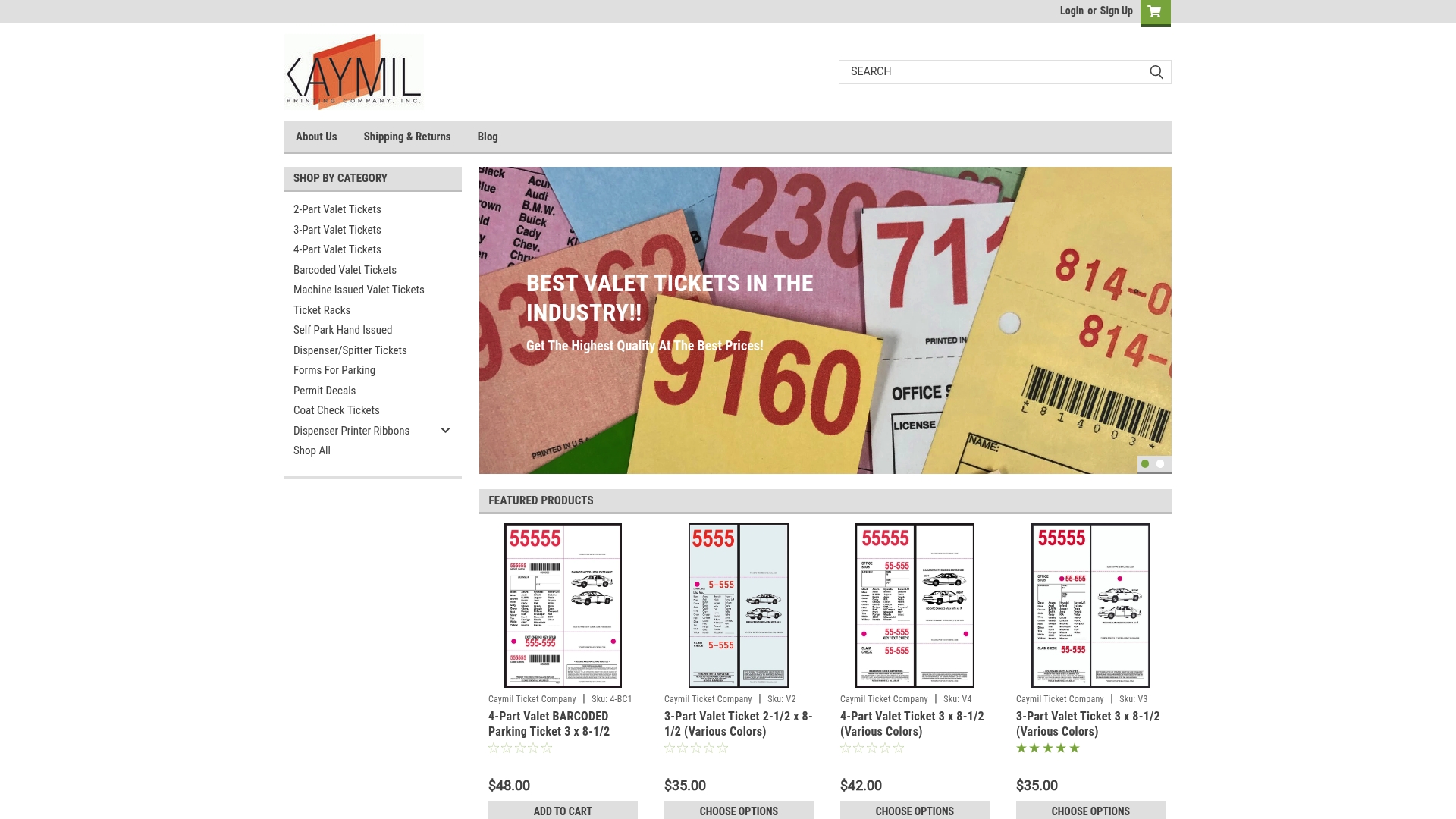
Caymil has manufactured custom parking permits, valet tickets, and guest pass forms for hotels since 1937. The product line covers custom parking permit forms, 2-part valet tickets, 3-part valet tickets, and machine-issued valet tickets compatible with major parking systems including Amano, TIBA, SKIDATA, and FLASH Parking. Every format is available with sequential numbering, barcoding, custom logos, and security features that reduce fraud and simplify auditing. Hotels that need a physical pass solution that integrates with modern enforcement workflows will find Caymil’s catalog covers every format in use today.
FAQ
What is a hotel guest parking permit?
A hotel guest parking permit is a time-limited authorization that allows a registered vehicle to park on hotel property during a guest’s stay. It is issued as a physical pass, a valet ticket, or a virtual plate whitelist entry in the hotel’s parking management system.
Does booking a hotel room automatically include parking?
No. Booking a room does not guarantee parking access. Most hotels require a separate vehicle registration step at check-in to link your license plate to your room and authorize parking.
How long does a temporary hotel parking pass last?
Duration varies by property. Most single-night passes cover 24 hours. Extended stay permits can last up to 10 days, and some municipal guest permits allow up to 30 days depending on local regulations.
What happens if I overstay my hotel parking pass?
Automated systems apply a grace period, then post overstay fees directly to your room folio. ANPR-integrated properties handle this without staff involvement, so the charge appears automatically.
Do I need a separate parking pass for a hotel spa visit?
Yes, at many full-service properties. A hotel spa parking permit is a distinct validation issued by the spa desk, not the front desk. Day visitors and non-overnight spa guests should confirm the validation process with spa staff before parking.