

Hotel Self-Park vs Valet: What Travelers Need to Know

Hotel self-parking means guests park their own vehicle and keep the keys, while valet parking means hotel staff park the car for you, typically for a fee. Understanding hotel self-park vs valet explained in clear terms matters because the wrong choice can add unexpected costs, wasted time, or unnecessary stress to any trip. Both options involve real trade-offs in cost, convenience, control, and safety. Knowing those trade-offs before you arrive puts you in a much stronger position to choose the right hotel parking option for your specific trip.
What are the main cost differences between hotel self-parking and valet?
Valet parking fees typically range from $5 to $25 per day, plus customary tips of $1 to $5 per retrieval or 15–20% of the total fee. That means a three-night stay with daily car retrievals can quietly add $50 to $100 or more to your bill. Self-parking is usually cheaper, and some hotels offer it free. The gap between the two options is often wider than travelers expect.
Hidden costs on both sides deserve attention:
- Valet surcharges: Overnight fees, oversized vehicle premiums, and taxes can push valet costs well above the posted rate.
- Self-parking re-entry fees: Some garages charge each time you exit and return. A hotel that advertises free self-parking may still charge $10 per exit.
- Shuttle costs: Off-site self-parking lots sometimes require a paid shuttle, adding both time and money.
- Tipping expectations: Valet staff expect a tip at drop-off and again at pickup. Skipping this creates friction.
Comparing hotel room rates alone without factoring in parking fees and tipping often misleads travelers about the true total cost of a stay. A hotel with a lower nightly rate but $30-per-day valet and no self-parking option can end up costing more than a pricier property with free self-parking.
Pro Tip: Add up all parking costs for your entire stay before booking. Include the daily fee, expected tips, and any re-entry charges. Compare that total across hotels, not just the room rate.
How do convenience and control compare between self-parking and valet?
Valet parking delivers a hands-free arrival. You pull up to the entrance, hand over the keys, and walk straight to the lobby. That experience reduces stress and friction noticeably, especially at dense urban hotels where finding a parking space can take 15 minutes on its own. Valet also means no carrying luggage across a parking structure in the rain.
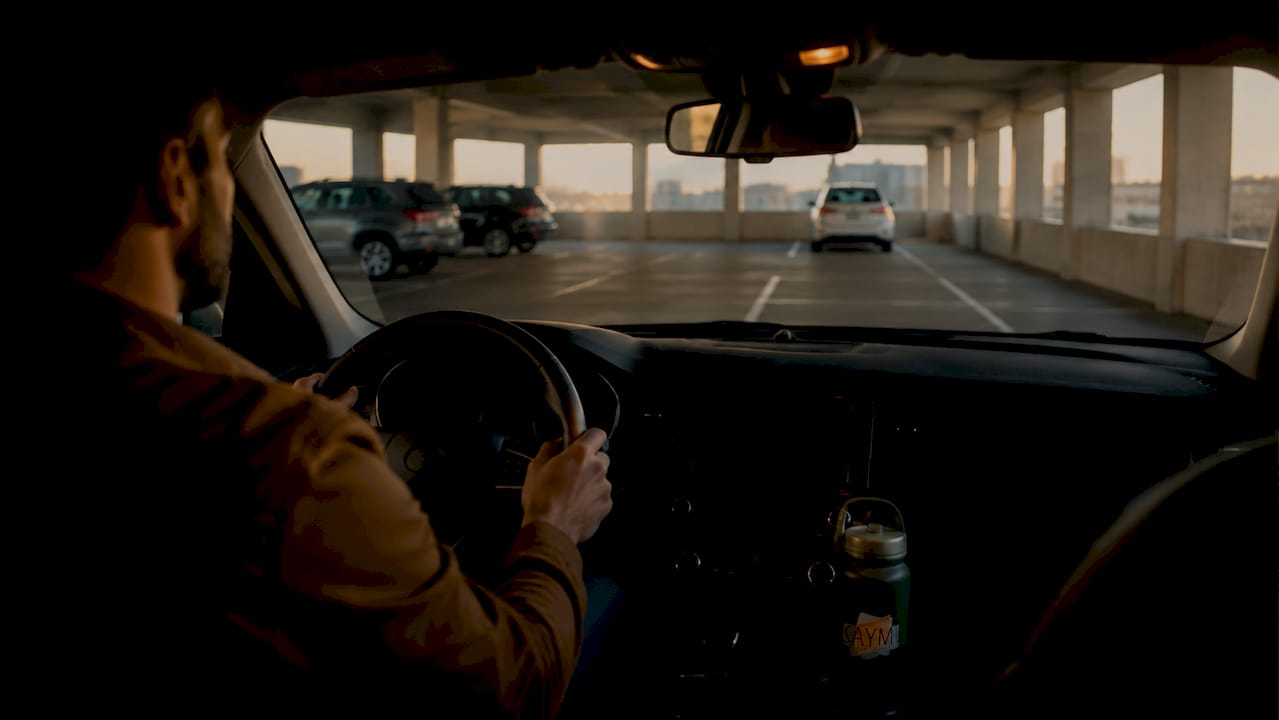
Self-parking gives you full control. Your keys stay with you, and you can access your vehicle at any moment without waiting for staff. That matters more than most travelers realize until they need something from the car at midnight or want to leave early without coordinating with a valet desk.
The convenience calculation shifts depending on your travel style:
- Families with young children benefit from self-parking because they often need frequent access to car seats, strollers, and bags stored in the vehicle.
- Business travelers with a single carry-on often prefer valet because speed at arrival and departure outweighs the added cost.
- Travelers with mobility challenges may find valet eliminates the physical demands of navigating a multi-level garage.
- Late-night arrivals sometimes face unstaffed valet desks, making self-parking the more reliable option.
Peak-hour valet pickup can create 20 to 30 minute delays due to congestion at the valet stand. That wait can eliminate the time advantage valet offers during busy checkout periods. Self-parking gives you a predictable timeline, even if the walk is longer.
Pro Tip: If you plan to use your car more than once per day, self-parking almost always saves time over the course of the stay.
What safety and security factors should travelers consider?
1 in 5 automobile accidents occur during parking maneuvers. Professional valet drivers handle parking movements repeatedly every shift, which gives them a practical edge over an unfamiliar driver navigating a tight garage for the first time. That said, valet also means handing your vehicle to someone else entirely, which introduces a different category of risk.
Key safety considerations for both options:
- Valet liability: Most hotels carry insurance covering valet-related damage, but disputes arise when pre-existing damage is not documented before handoff.
- Personal security: Self-parking in a poorly lit or unsupervised garage creates personal safety risks, especially at night.
- Monitored access: Valet lots are typically controlled-access areas with better lighting and camera coverage than open self-parking decks.
- Key security: Self-parking keeps your keys in your possession at all times. Valet operations store keys in a shared area, which carries a small but real risk of misplacement.
Always disclose pre-existing vehicle damage to the valet attendant before handing over your keys. Take photos on your phone as a timestamped record. This single step prevents most post-stay disputes.
The safety of either option depends heavily on the specific hotel’s facility design and staffing quality. A well-run valet operation at a major hotel brand is generally safer than an unsupervised self-parking deck in an older urban property.
How do hotel parking logistics and technology affect your experience?
Parking technology has changed what both options deliver. Automated parking systems can reduce search time by up to 50% compared to traditional self-parking. That improvement matters most in urban hotels where parking space is limited and every minute counts. Valet operations at high-density hotels use vehicle stacking to fit more cars into the same footprint, which is why many city hotels offer only valet.
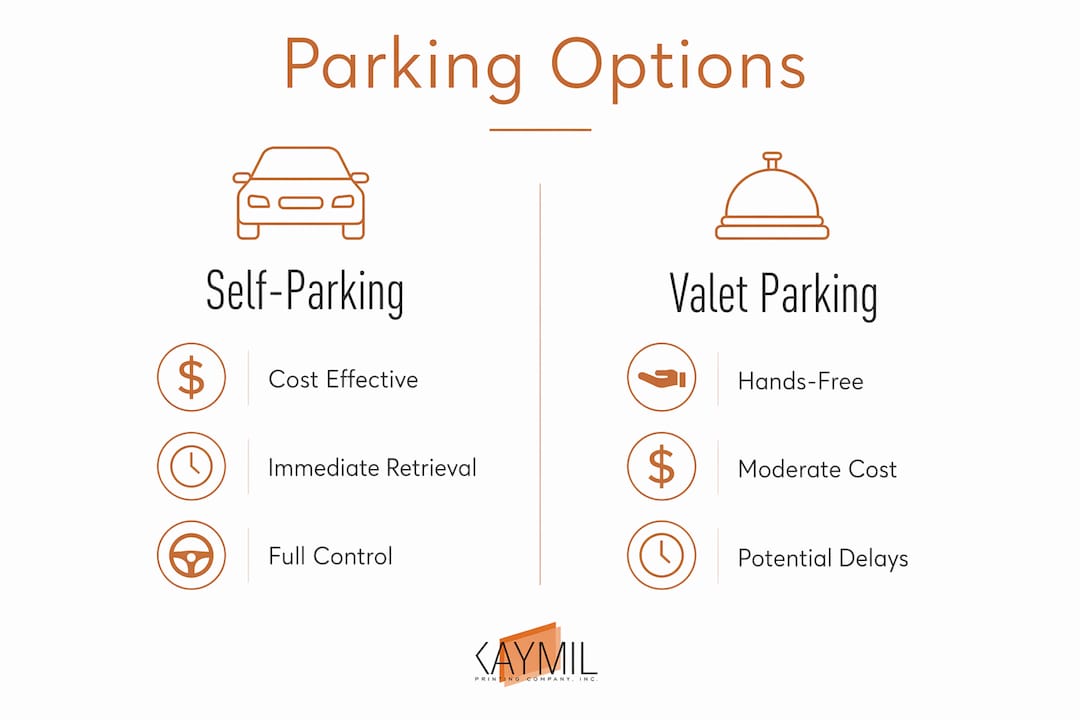
| Feature | Self-Parking | Valet Parking |
|---|---|---|
| Retrieval speed (off-peak) | Immediate | 5–10 minutes |
| Retrieval speed (peak hours) | 20–30 minutes | Optimized by staff |
| Space efficiency | Lower | Higher with stacking |
| Technology dependency | Moderate | High |
| Guest control | Full | None |
Properties with dedicated self-park podiums show 18–26% faster resale and rental velocity compared to those using robotic or valet stacking systems. Guests and residents grow frustrated with retrieval waits in fully automated or stacked systems. That frustration is a real operational cost for hotels.
Robotic parking systems carry their own risks. Mechanical breakdowns can trap vehicles for extended periods. If a hotel uses a robotic or puzzle-style system, ask the front desk about backup procedures before you hand over your keys.
Pro Tip: Ask the hotel whether the valet lot is on-site or off-site. An off-site valet lot adds retrieval time and introduces a shuttle dependency that can slow down your departure significantly.
Which hotel parking option suits your travel style?
The right choice depends on who you are as a traveler and what your trip demands. Business travelers with tight schedules and light luggage consistently favor valet for the speed it provides at arrival and departure. Families and long-stay guests lean toward self-parking because they need frequent, unscheduled vehicle access throughout the day.
Practical factors that should guide your decision:
- Trip length: For a single overnight stay, valet convenience often justifies the cost. For a week-long trip, self-parking savings add up fast.
- Weather conditions: Valet eliminates the walk from a parking structure in extreme heat, cold, or rain. That matters more than most travelers admit.
- Hotel location: Urban hotels with limited space often make valet the only practical option. Suburban or resort properties usually offer self-parking with easy access.
- Budget sensitivity: Valet at a major city hotel can cost $40 to $50 per day after tips and fees. That total over five nights is $200 to $250 added to your trip.
- Vehicle size: Oversized vehicles like trucks and SUVs sometimes face surcharges or restrictions with valet. Self-parking gives you more flexibility.
Cheaper self-parking options may lack in-and-out privileges, which creates extra costs and real inconvenience if you plan to leave and return multiple times. Always confirm re-entry terms before choosing a self-parking option based on price alone. A valet operation with efficient ticketing systems reduces retrieval errors and speeds up the handoff process, which directly affects how smooth your experience feels.
Key Takeaways
Valet parking costs more upfront but saves time and reduces physical effort, while self-parking costs less and gives travelers full control over vehicle access throughout their stay.
| Point | Details |
|---|---|
| Cost comparison | Valet runs $5–$25 per day plus tips; self-parking is cheaper but may include re-entry fees. |
| Convenience trade-off | Valet is faster at arrival and departure; self-parking gives immediate, unscheduled vehicle access. |
| Safety considerations | Always document pre-existing damage before valet handoff to prevent disputes. |
| Technology impact | Automated systems cut parking search time significantly, but robotic systems risk mechanical delays. |
| Traveler fit | Business travelers favor valet for speed; families and long-stay guests favor self-parking for flexibility. |
What I’ve learned after years of watching travelers get this wrong
Most travelers treat the valet vs. self-parking decision as a luxury question. It is not. It is a logistics question, and getting it wrong costs real money and real time.
The biggest mistake I see is travelers choosing valet at a city hotel for a five-night stay without calculating the full cost. At $25 per day plus two tips per day at $3 each, you are looking at $205 before taxes. That is not a luxury upgrade. That is a significant line item that most people never see coming because they only looked at the nightly room rate.
The second mistake is choosing self-parking without checking re-entry terms. A “free” self-parking option that charges $12 per exit is not free for anyone who uses their car daily. Hotels bury this detail in the fine print, and travelers discover it at checkout.
Valet’s real value is not status. It is the elimination of a specific kind of friction: the walk, the search, the carry. If your trip involves heavy luggage, bad weather, or a tight schedule, that friction reduction is worth paying for. If you are traveling light and plan to use your car twice a day, self-parking wins on every metric.
My advice: call the hotel before you book and ask two questions. First, does self-parking include unlimited in-and-out privileges? Second, is the valet lot on-site? Those two answers will tell you more than any website description. You can also review hotel parking integration strategies to understand how well-run properties design their parking programs before you arrive.
— Richard
How Caymil supports hotel valet operations behind the scenes
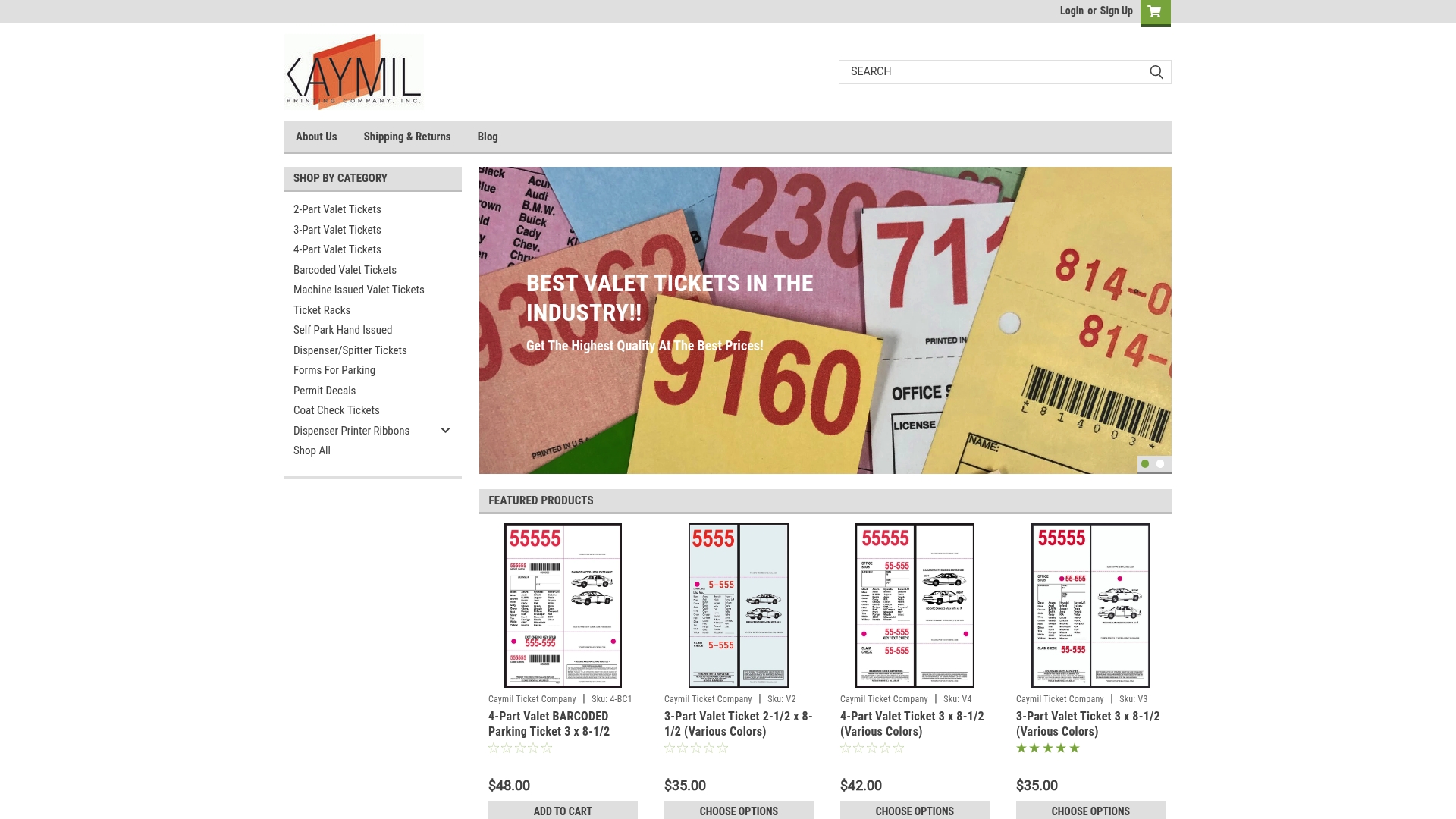
Efficient valet operations depend on more than trained staff. The ticketing system running behind the scenes determines how fast cars get retrieved, how errors get caught, and how disputes get resolved. Caymil has manufactured valet and parking ticketing solutions since 1937, supplying hotels, parking operators, and hospitality venues across the United States.
Caymil’s 2-part valet parking tickets are built for high-volume hotel operations, with options for sequential numbering, barcoding, and custom branding. For properties using automated or machine-issued systems, Caymil also offers machine-issued valet tickets compatible with major parking platforms. The right ticket system reduces retrieval errors, speeds up handoffs, and gives your operation a clean paper trail for every vehicle.
FAQ
What is the average cost of hotel valet parking?
Valet parking fees typically range from $5 to $25 per day, plus tips of $1 to $5 per retrieval. Total costs for a multi-night stay can reach $100 or more when tips and surcharges are included.
Is self-parking always cheaper than valet at hotels?
Self-parking is usually cheaper, but re-entry fees and off-site shuttle costs can reduce that advantage. Always confirm whether self-parking includes unlimited in-and-out access before assuming it is the lower-cost option.
How long does valet pickup take at a hotel?
Off-peak valet retrieval typically takes 5–10 minutes. During peak checkout hours, delays of 20–30 minutes are common due to congestion at the valet stand.
Should I document my car’s condition before using hotel valet?
Yes. Photograph any pre-existing damage before handing over your keys and show it to the attendant. This prevents liability disputes when you retrieve your vehicle.
Which hotel parking option is better for business travelers?
Business travelers generally prefer valet for its speed at arrival and departure. The time savings and hands-free experience outweigh the added cost for travelers with tight schedules and light luggage.
Recommended
- How Hotel Valet and Parking Integrate for Better Results - Caymil Printing Co., Inc.
- What Is a Valet Parking Envelope? A Pro Guide - Caymil Printing Co., Inc.
- Valet parking log: Essential guide for efficient operations - Caymil Printing Co., Inc.
- Parking Machine Ticket: What Every Driver Should Know - Caymil Printing Co., Inc.