
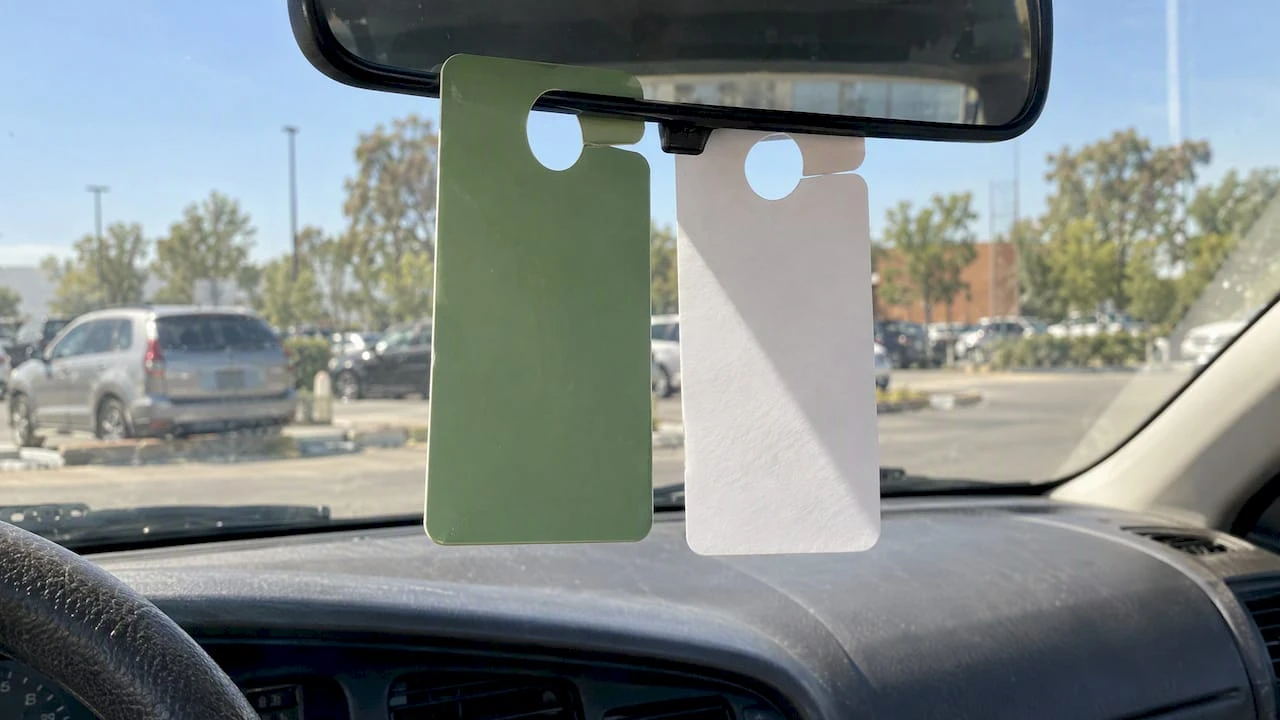
Supplier Specs: Plastic vs Paper Hang Tags Parking Operators Need

For short-duration events and visitor passes, paper hang tags work well and keep costs low; for monthly or long-term permits, plastic holds up better and reduces reissue work as explained in our guide on parking permits for moving. The core trade-off comes down to durability against cost and recyclability: plastic survives sun and handling longer, paper is cheaper and easier to recycle. We offer both types, with custom specs built around the use case.
TL;DR:
- Plastic tags are recommended for long-term permits due to their resistance to fading, warping, and moisture, while paper suits short events and one-time use.
- Proper design, including the 5-foot visibility rule, high-contrast colors, and unobstructed barcodes, is essential for effective enforcement and quick verification.
- Reissuing paper tags for permits lasting several months can surpass plastic in total cost due to labor, despite higher upfront unit prices.
- Ensure hole placement avoids overlapping with barcodes or expiration dates to prevent reprint costs and enforcement failures.
- Recycling options favor paper tags, which are easily processed through standard streams, whereas plastic is more durable but less recyclable.
Table of Contents
- Use-case decision guide: match material to service lifecycle
- Durability and lifecycle: how materials age in parking environments
- Cost comparison: unit cost vs total cost of ownership
- Visibility, enforcement, and legibility: design rules that make tags enforceable
- Print, security, and customization options to request from your supplier
- Privacy and enforcement best practices
- Environmental considerations and disposal
- Implementation checklist: how to specify, quote, and order hang tags
- A manufacturer’s take on common hang tag mistakes
- How Caymil can help with your next hang tag order
- FAQ
- Sources
Use-case decision guide: match material to service lifecycle
The right material depends on how long a tag needs to survive and how often it changes hands. Short-duration use, such as a weekend festival or a single event, rarely justifies plastic. Recurring short-term use, like weekly valet or day passes, sits in a gray zone where either material can work depending on volume. Long-term use, including monthly resident or employee permits, almost always favors plastic because it resists cracking, fading, and water damage over months of windshield exposure.
A simple rule of thumb: match material cost to how many times you expect to reprint.
- Short-duration events (single day to a few weeks): paper or cardstock, low cost, disposable.
- Recurring short-term passes (weekly or monthly valet): either material, depending on volume and budget.
- Long-term permits (quarterly, annual, resident, staff): plastic or PVC, built for repeated exposure.
Many facilities run a hybrid model: paper for visitors and event parking, plastic for residents and staff. Our temporary permit examples and best practices page covers event-specific formats in more detail.
Durability and lifecycle: how materials age in parking environments
Plastic and PVC hang tags resist UV fading, heat warping, and moisture far better than uncoated paper. A windshield interior can reach well beyond outdoor air temperature on a sunny day, and that heat cycle is what degrades cheap paper stock fastest, curling edges and fading ink within weeks. Coated or laminated paper closes some of that gap, buying extra months of service life compared to plain stock, though it still won’t match plastic over a full year of exposure.
Plan replacement cadence around the material you choose. Paper tags for short events need no replacement plan at all since they’re disposed of after use. Plastic tags issued for annual permits should be inspected at renewal time for cracking at the hole, color fade, or barcode wear. Retire a tag early if the barcode no longer scans cleanly or the printed numbers are hard to read from a short distance, since a tag that fails scanning or reading defeats its purpose before it physically breaks.

Cost comparison: unit cost vs total cost of ownership
Unit price only tells part of the story. Paper tags cost less per piece but may need reissuing partway through a permit cycle, adding staff time for reprinting and redistribution. Plastic costs more upfront but typically lasts the full term without replacement, which lowers the annualized cost per active permit once labor is factored in.
A simple way to compare: divide the unit cost by the number of months the tag is expected to last, then add an estimate for staff time spent on reissues. A paper tag that needs replacing twice in a six-month program can end up costing more in labor than a single plastic tag issued once. Premium material and finishing are worth the extra cost when the tag also serves as a visible branding piece, such as valet tags displayed at a hotel entrance.

Visibility, enforcement, and legibility: design rules that make tags enforceable
A hang tag only works if enforcement staff and scanners can read it quickly, often from several feet away in poor light. Designers commonly apply a 5-foot rule: the permit number, zone, or expiration date should be legible from 5 feet while squinting, which approximates how an officer reads a tag while walking a row of parked cars.
To meet that standard:
- Use bold, sans-serif fonts at a minimum size large enough to read without close inspection.
- Choose high-contrast color combinations, dark text on light backgrounds reads best against windshield glare.
- Place barcodes on a flat, unobstructed section of the tag, oriented horizontally for quick handheld or vehicle-mounted scanning.
- Position the mounting hole so it never overlaps printed numbers, codes, or the barcode itself.
A hang tag designed without the 5-foot rule in mind often fails enforcement checks even when it prints perfectly in a proof. Testing a sample tag at arm’s length under bright light catches most legibility problems before a full print run ships.
Print, security, and customization options to request from your supplier
Beyond material, print specifications determine how well a tag performs and resists tampering. Ask your supplier about single- or double-sided printing, full-color versus spot-color options, and laminate thickness, since thicker laminates add rigidity and moisture resistance for long-term permits.
Security features matter just as much as print quality:
- Sequential numbering to track issued tags and flag duplicates.
- Barcodes in a format compatible with your existing scanner or parking system.
- Tamper-evident coatings or perforations that show visible damage if someone tries to transfer a tag to another vehicle.
Confirm barcode format compatibility with systems like Amano, TIBA, SKIDATA, FLASH Parking, Scheidt & Bachmann, or Flowbird if your facility uses automated scanning. Our fake permit detection field guide covers additional fraud indicators enforcement staff can watch for.
Pro Tip: Request a physical sample before committing to a full print run, since laminate thickness and hole durability are hard to judge from a digital proof.
Privacy and enforcement best practices
Avoid printing names, license plates, or other personal information directly on a visible hang tag. A unique permit number or barcode tied to a secure internal database accomplishes the same tracking goal without exposing personal data to anyone who glances through a windshield.
If a tag is reported lost or stolen, deactivate its number in your database immediately rather than reissuing the same identifier. Institutional parking guidance from Indiana University recommends suspending hang tags from the rearview mirror with graphics visible through the windshield, never taped, magnetized, or otherwise concealed, which also keeps the permit number visible for verification without obstructing the driver’s view.
Environmental considerations and disposal
Paper and cardstock tags are simpler to recycle through standard paper streams once a permit expires. PVC and rigid plastic tags are often not accepted in curbside recycling, which shifts their environmental trade-off toward durability rather than disposal ease.
A plastic tag that survives twelve months without reissue can reduce total material use compared to several rounds of paper reprints for the same permit period. Ask your supplier about take-back or recycling programs for retired plastic tags, and batch-dispose of expired paper tags through standard recycling rather than general trash where local rules allow it.
Implementation checklist: how to specify, quote, and order hang tags
Before requesting quotes, gather the specs that determine both cost and performance:
- Material and thickness (paper weight or plastic mil thickness).
- Finished size and hole diameter, matched to your mounting method.
- Barcode format and placement, confirmed against your scanning hardware.
- Numbering sequence start and quantity needed per batch.
- Finish options: lamination, spot color, or full color.
Once specs are set, ask suppliers about standard lead times, sample availability before a full order, and pricing for reprinting a partial batch if a design needs revision. Our guide to launching a permit hang tag program walks through pilot sizing in more depth, but a useful starting point is ordering a small trial batch, tracking failure or illegibility rates over 30 to 60 days, and adjusting the spec before committing to a full print run.
A manufacturer’s take on common hang tag mistakes
The most common mistake we see isn’t material choice, it’s hole placement that overlaps a barcode or expiration date, which forces reprints after the first batch ships. Contrast and layout often matter more than whether a tag is paper or plastic, since a poorly designed plastic tag fails enforcement just as often as cheap paper.
One facility we worked with cut reissue costs by switching event visitors to paper while keeping plastic for staff and residents, trimming both printing costs and enforcement confusion within a single renewal cycle.
— Richard
How Caymil can help with your next hang tag order
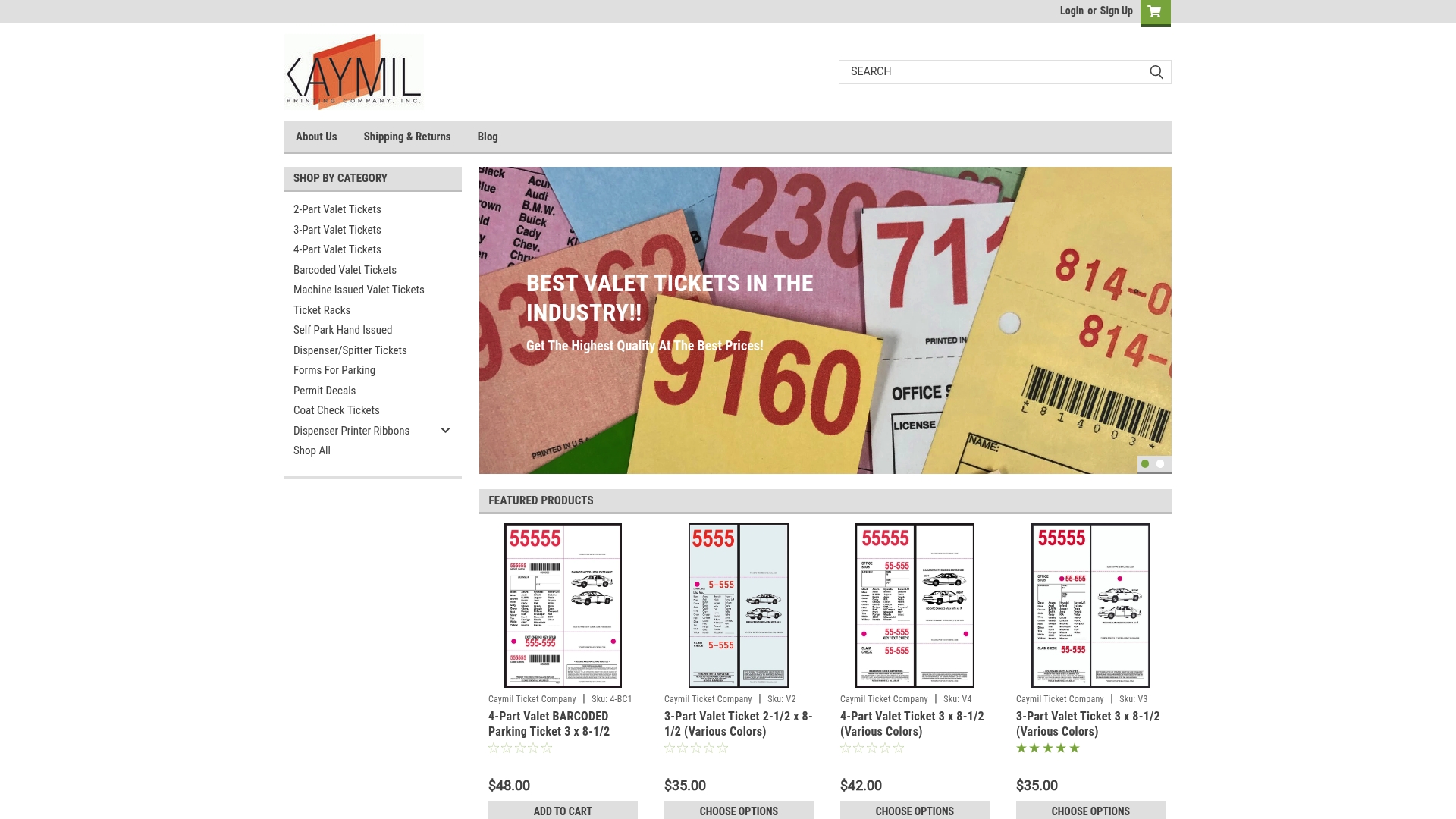
We offer both plastic and paper hang tags designed around your permit lifecycle, with options like sequential numbering, barcoding, and finish choices that can match your parking system. Whether you’re outfitting a single garage or a multi-site program, we keep lead times short and samples available before you commit to a full run.
| Need | Where to start |
|---|---|
| Valet or day-pass tickets | 2-Part Valet Tickets |
| Higher-volume valet formats | 3-Part Valet Tickets |
| Barcoded enforcement-ready tickets | Barcoded Valet Tickets |
| Custom forms and permit paperwork | Forms For Parking |
- Request a physical sample before ordering a full batch.
- Include material, size, hole diameter, barcode format, and numbering sequence in your quote request.
- Ask about reprint pricing for partial batches if a design needs revision after a pilot run.
Reach out through our product catalog to start a sample request or get RFP-ready specs for your next order.
FAQ
Is plastic or paper better for long-term parking permits?
Plastic typically holds up better for long-term permits because it resists UV fading, heat warping, and moisture damage over months of windshield exposure. Paper works best for short-duration or event parking where a tag only needs to survive a few days or weeks.
What is the 5-foot rule for hang tag design?
The 5-foot rule is a design guideline stating that key information like the permit number or expiration date should be readable from 5 feet away while squinting. It helps ensure enforcement staff can verify a tag quickly without close inspection.
Should personal information be printed on a parking hang tag?
No, printing names or vehicle details directly on a visible hang tag creates privacy and security risks. A unique permit number or barcode tied to an internal database achieves the same tracking goal without exposing personal data.
How should a hang tag be displayed in a vehicle?
Guidance from Indiana University’s parking office recommends suspending the tag from the rearview mirror with graphics visible through the windshield, never taped or concealed. This keeps the permit both verifiable and compliant with typical facility rules.
Are plastic hang tags recyclable?
Paper and cardstock tags recycle easily through standard paper streams, while rigid plastic or PVC tags are often not accepted in curbside recycling. Plastic’s longer service life can offset that disposal drawback by reducing how often tags need replacing.