
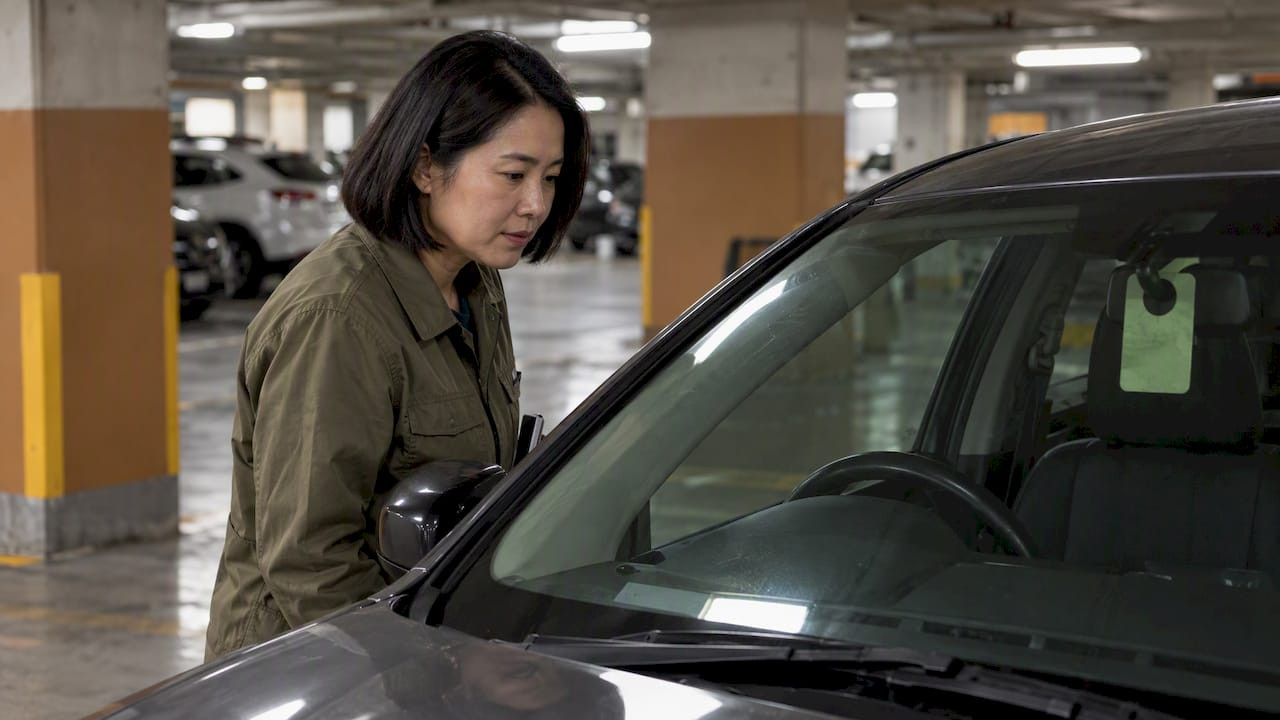
Hang Tag Swap Prevention for Parking Operators

A hang tag or claim ticket is only as secure as the link between the tag and the vehicle. Swaps happen when that link is weak: the tag is generic, the number is easy to copy, or nobody checks the tag against the car at the moment it matters. Preventing them takes three things working together: tags and tickets that are hard to duplicate, an issuance record that ties each number to one vehicle, and a release routine that staff follow every time.
This guide is for parking operators, valet companies, hotel and casino parking managers, and facility managers. It covers where swaps occur, which printed features make them harder, and the procedures that make those features count.
TL;DR
- Swaps happen at four points: issuance, transfer between vehicles, valet turn-in and reconciliation, and vehicle release.
- A plain, generic hang tag can move from one car to another. A unique number, a visible security feature and a record tied to the plate or vehicle remove that option.
- Sequential numbering and multi-part tickets give you a paper trail to reconcile against cash and cars.
- Release a vehicle only after matching the ticket, or for a lost ticket, photo ID and registration, to the car.
- Audit regularly: supervisors should spot-check attendants against the written procedure.
Table of Contents
- Where tag and ticket swaps happen
- Why a generic hang tag is the weak link
- Printed features that make swapping harder
- Issuance procedures that support the printing
- Verifying a claim before releasing a vehicle
- When a tag or ticket is missing, duplicated or mismatched
- Auditing controls and training staff
- Our perspective on swap prevention
- Getting the right tickets and tags
- FAQ
- Sources
Where tag and ticket swaps happen
Before choosing a product or writing a policy, map the process. Most operations have the same four weak points.
At issuance
If tags or tickets are handed out without a record of who received which number, you cannot prove later that a given tag belonged to a given vehicle. Unnumbered stock left in an unlocked drawer is the simplest version of this problem: anyone can take a handful, and nothing shows they are missing.
Between vehicles
A permit hang tag hangs from a mirror, which means it can be lifted from one car and hung in another. The tag does not know which vehicle it belongs to unless something printed on it, or a record behind it, says so.
At turn-in and reconciliation
This is the valet-side swap. When reconciliation relies on paper tickets alone, an attendant can turn in fewer tickets than the cars parked and keep the difference. FC Parking describes a case where an attendant turns in 30 tickets for 50 cars, keeps the rest, and reissues tickets for additional paid vehicles. The revenue gap is hard to see when counts are not tied to numbered tickets.

At release
A claim ticket and the name of the establishment can be enough for someone to ask for a car. If the staff member handing over keys checks nothing beyond the ticket in hand, a lost, found or copied ticket becomes a way to take a vehicle.
Why a generic hang tag is the weak link
Permit hang tags are convenient, and that convenience is the risk. The City of San José said in 2021 that physical hang tags allowed easy transfer from one vehicle to another, which invited misuse and fraud, and replaced them with a permit system assigned to a license plate.
Most operators cannot move to a fully plate-based system overnight, and many do not need to. The lesson is narrower: the closer you tie authorization to one specific vehicle, the less a swapped tag is worth. Temporary permits for a particular curb space and time window work on the same logic, as the Oakland no-parking permit guide shows for a single location and date.
For hang tags, you can get most of the way there with printing and record-keeping, covered below.

Printed features that make swapping harder
No single feature stops a determined forger. The goal is to make a swap slow, visible or traceable, so that casual misuse stops and serious misuse is caught.
| Feature | What it prevents | How staff use it |
|---|---|---|
| Unique sequential number | Duplicate or untracked tags | Match the number to the issuance log |
| Large, high-contrast number | Misreads and quick alterations | Read from a few feet away |
| Barcode | Hand-copied or mismatched numbers | Scan against the permit or ticket database |
| Distinct color by period or lot | Expired or wrong-lot tags in use | Spot a wrong color at a glance |
| Logo and custom layout | Easy copying with off-the-shelf stock | Recognize a legitimate tag |
| Multi-part carbonless copies | Lost or altered claim records | Compare the guest copy, vehicle copy and office copy |
| Tamper-evident application | Peel-and-move decals | Check that the decal shows damage if removed |
Caymil prints tickets and tags with sequential numbering, barcoding, logos, security features, custom colors and multi-part carbonless formats, so each row of this table is something you can specify rather than improvise.
Keep personal data off the tag
A tag should not carry an owner’s full name, unit number or phone number. A permit number that points to a record in your system tells staff everything they need and tells a stranger nothing. If the tag is lost, no one learns where the owner lives.
Sequential numbering is the foundation
Every other control depends on numbers that run in order and never repeat. With sequential tickets, a gap in the sequence is a finding, not a guess. We cover the operational side in why sequential valet tickets matter for operators.
Barcodes link paper to data
A barcode lets a handheld scanner read the number instead of a person, which removes transcription errors and makes a copied number harder to slip through. Barcoded valet tickets let you tie each ticket to a record while keeping the paper stub guests expect.
Multi-part tickets split the record
One part goes on the vehicle, one stays with the guest, and one stays with the operation. A swap or alteration on one copy shows up when the copies are compared. A 2-part valet ticket is the simplest version, and the 3-part and 4-part formats add copies for the key envelope or the office. For machine-issued formats, see machine-issued valet tickets.
Reinforce and seal what hangs
Tags that tear or fade get reprinted and reissued, and each reissue is a chance for duplication. Heavier stock and reinforced holes keep a tag in service, which we explain in reinforced hang tags for parking operators. For decals, tamper evidence for parking permits explains how to apply them so removal shows.
Issuance procedures that support the printing
The best-printed ticket fails if the handling is loose. These steps cost little and close the gaps described above.
- Store stock under control. Keep unissued tags and tickets locked, with one person responsible for each box.
- Log number ranges. Record which range went to which lot, shift or attendant, and reconcile it at the end of the shift.
- Issue a claim check for every accepted vehicle. AF Group advises a claim check for each vehicle, documenting existing damage, and accepting only the vehicle’s key.
- Mark the ticket with the vehicle. A hospital valet in a Massachusetts case recorded make, model, color, location, license plate and damage on the ticket. That detail is what lets staff reject a ticket that does not match the car in front of them.
- Require initials. Industry guidance says attendants should initial or sign tickets at arrival and delivery, and that management should use a unique identifier for each valet to trace losses.
- Control the keys. The same guidance treats keys as the most operationally critical item in a valet operation, so tie each key to its ticket and keep it in a controlled place.
For the reasoning behind claim checks, see why valet operations use claim checks, and for the basics of the system, Valet Tickets 101.
Verifying a claim before releasing a vehicle
Release is the last point where a swap can be stopped, so it needs a fixed routine rather than judgment on the spot.
- Read the ticket number and match it to the stub kept with the key or vehicle record.
- Check the vehicle details on the ticket against the car being requested.
- Have the attendant who delivers the car initial the ticket.
- Hand over the keys only to the person presenting the matching ticket.
The routine takes seconds when the ticket is numbered and filled in properly, and it is slow only when the ticket is blank or generic. That is a practical argument for good printing: a clear field for vehicle details and a distinct number make the check fast enough that staff do not skip it.
When a tag or ticket is missing, duplicated or mismatched
The exceptions are where swaps succeed, so write the rules down in advance.
Lost claim ticket
Tell guests to report a lost claim check immediately, as AF Group advises. Allianz risk guidance says not to release the vehicle until ownership is established by matching photo ID to the registration or rental agreement and then to the vehicle. A manager, not the attendant, should make that call and record it.
Two people with the same number
If a number appears twice, do not release either vehicle until a supervisor has compared the tickets, the vehicle details and the key record. Duplicate numbers should be treated as an incident and traced to the stock box they came from.
A tag that does not match the vehicle
For permit hang tags, a mismatch between the tag number’s record and the vehicle’s plate is the sign of a transferred tag. Document it, remove or void the tag per your policy, and reissue a new numbered tag to the verified holder.
Stock that goes missing
A gap in a number range is a finding. Void the missing numbers in your system so any later use is flagged, then change the color or format for the next print run if you suspect the tags are circulating.
Auditing controls and training staff
Controls decay without checking. Allianz recommends a written procedures manual used for training, orientation and reference, with supervisors or security periodically checking that attendants follow it.
A workable audit rhythm:
- Every shift: reconcile numbers issued against numbers returned and cash collected.
- Weekly: spot-check a sample of tickets for complete vehicle details and initials.
- Each print run: review whether the design, color or security feature should change.
- After any incident: trace the numbers involved back to issuance and update the manual.
Train new attendants on the release routine before their first shift, and show them a correct ticket next to a poorly filled one. Staff who understand why the number matters follow the process more reliably than staff who only follow a rule.
Our perspective on swap prevention
Since 1937 we have printed tickets for operations of every size, and the pattern is consistent: losses rarely come from sophisticated forgery. They come from tickets that are interchangeable and processes that nobody checks.
That is why we focus on the basics. Sequential numbering, a clear field for vehicle details, carbonless copies that agree with each other, and a barcode when you have scanners. These are not exotic. They make an honest process easy and a dishonest one visible.
We also see operators spend on security features and then leave the stock unlocked. Treat the printed ticket and the handling procedure as one system. If you have to prioritize, start with numbering and issuance logs, then add features as your risk and volume justify them.
— Richard
Getting the right tickets and tags
Caymil makes stock and custom tickets that work with major parking systems, including Amano, TIBA, SKIDATA, FLASH Parking, Scheidt & Bachmann and Flowbird. Listed prices include 4-part valet tickets at $42 to $48 and barcoded valet tickets at $42 to $48, with permit decals listed at $88. Check each product page for the quantity and size those prices apply to.
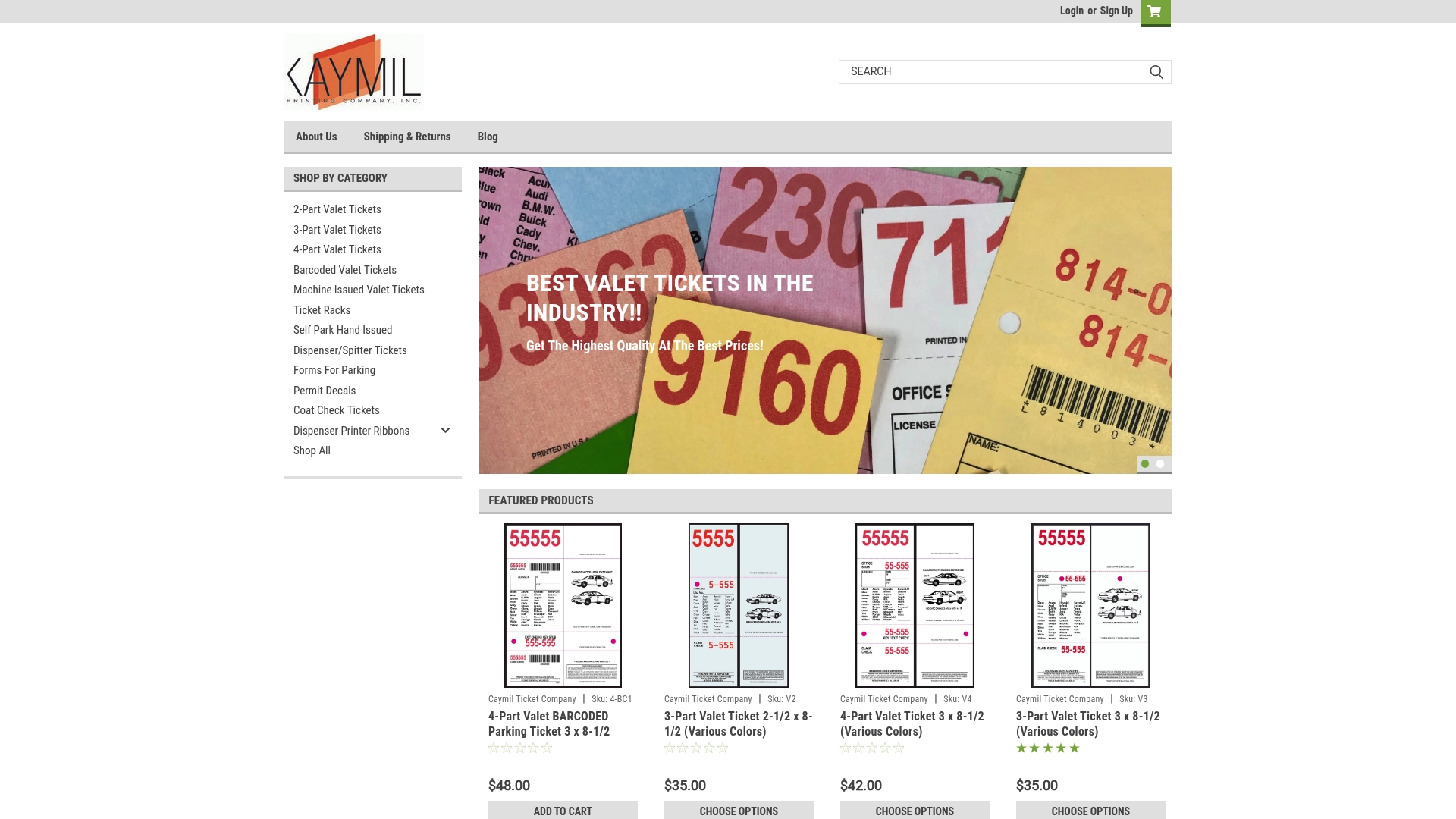
If you need numbering ranges, a custom layout, a logo or a security feature your current stock lacks, browse the full range on our site and tell us how your operation issues and releases vehicles.
FAQ
How do you stop someone from using a copied hang tag?
Give each tag a unique, visible number and keep a record that links that number to one vehicle or permit holder. Add a barcode if you have scanners, and a color or format you can change per print run. Staff then check the number against the record instead of just seeing that a tag is present.
What should valet staff do if a guest loses their claim ticket?
Do not hand over the car on a description alone. Industry guidance is to match the guest’s photo ID to the vehicle registration or rental agreement before release. Have a manager approve and record the release.
Do multi-part tickets really reduce fraud?
They help because the copies must agree. A part stays with the vehicle or key, a part with the guest and a part with the operation, so an altered or missing part shows up when you reconcile. They work best alongside sequential numbers and a nightly count.
Should a hang tag show the owner’s name or phone number?
No. Use a permit number that points to a record in your system. If the tag is lost or photographed, nothing personal is exposed.
Sources
- Fraud Prevention with Ticketless Valet Service, FC Parking
- Technology Behind the Virtual Residential Permit Parking, City of San José
- Valet Parking Operations, AF Group
- In the Matter of Lincoln Smith, Mass.gov
- Parking Valet Operations Manual, Parking Professional
- Valet parking, Allianz Commercial